
Commercial Battery Storage
Industrial & Commercial Solar Batteries - Yorkshire & The North
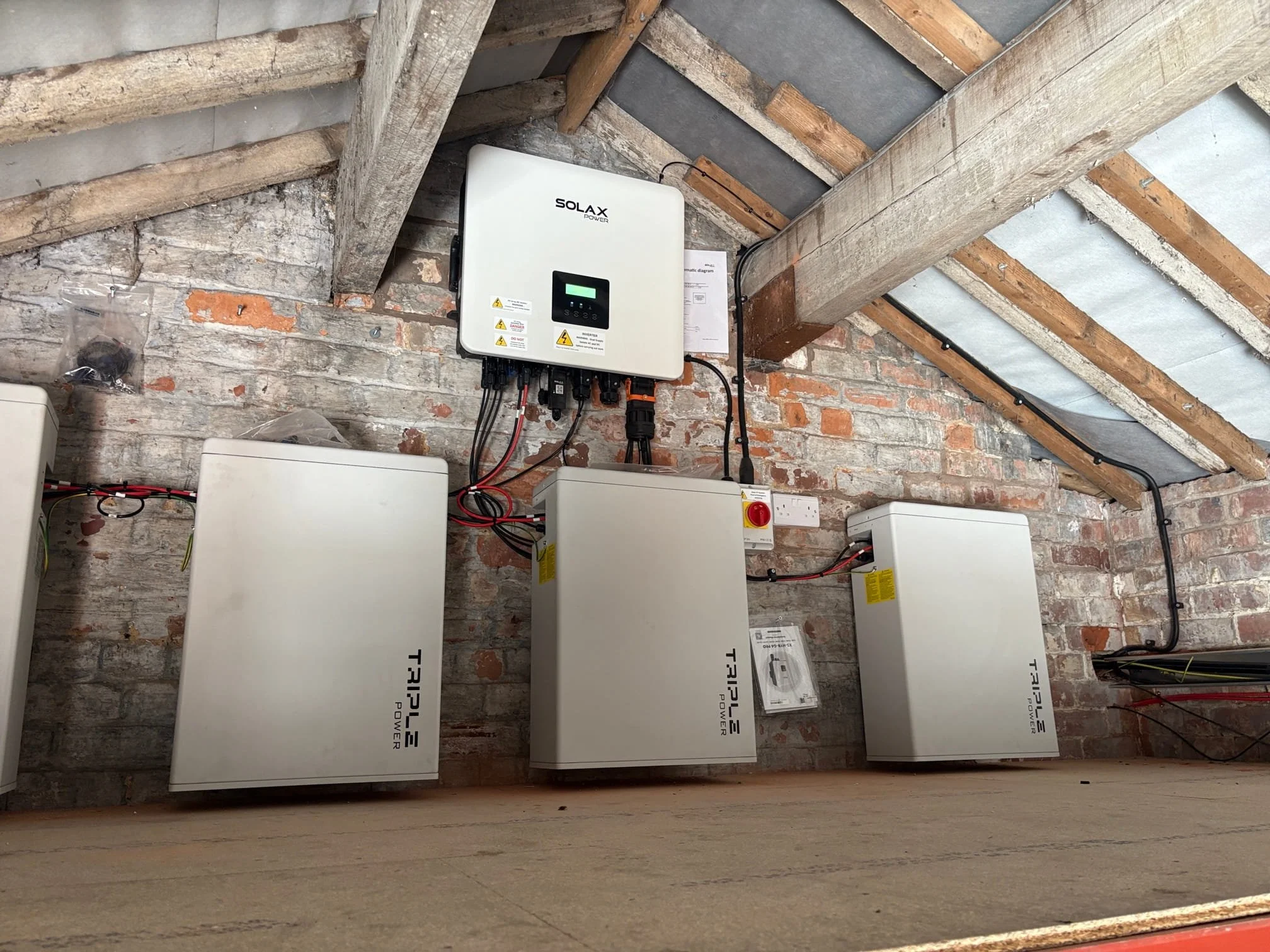
Commercial battery storage helps businesses store electricity and use it when it’s most valuable – reducing grid imports, improving energy efficiency, and adding resilience where required. It can work as a standalone energy storage system, or as part of a wider solar power system through PV system integration.
Accredited & Certified







Key Benefits of Commercial Battery Storage
P4 Solar delivers commercial solar battery storage projects across Yorkshire & the North, from feasibility and system design to installation, commissioning and maintenance support. If you’re also considering panels, see our commercial solar panel installation.
Commercial battery storage is usually installed to improve cost control and system efficiency – either alongside solar power systems or as a standalone energy storage solution.
-
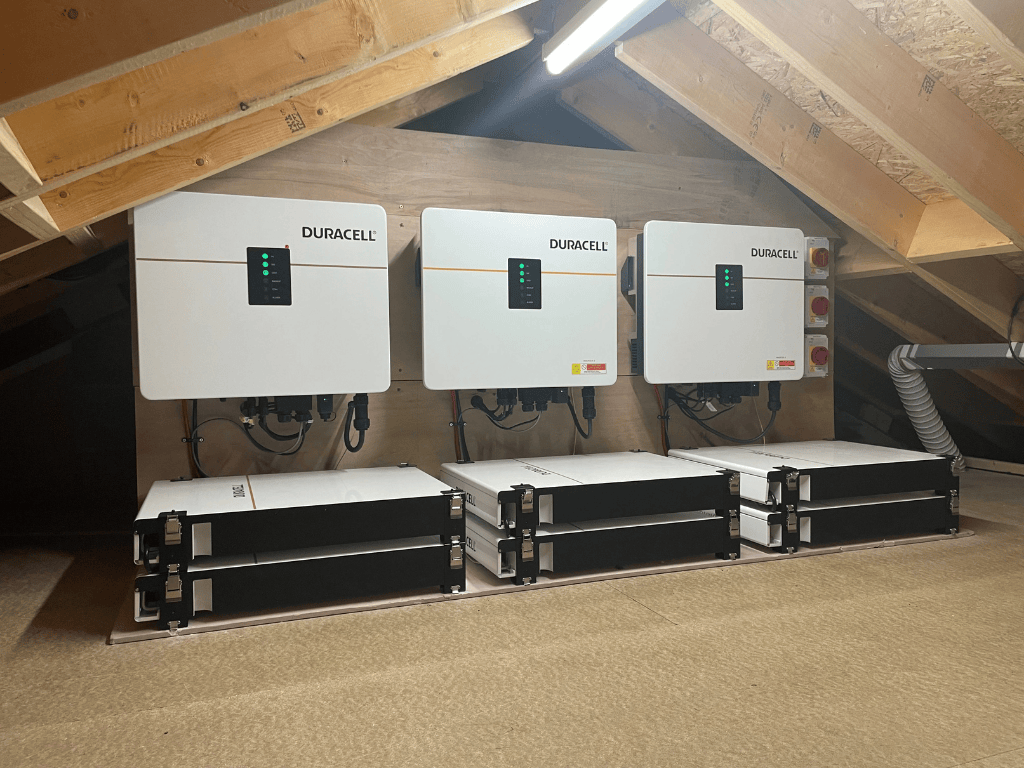
Reduce grid imports at the most expensive times by using stored energy (load shifting), and limit high demand spikes where relevant (peak shaving).
-
With PV system integration, surplus solar generation can be stored and used later, improving overall system efficiency and reducing reliance on export.
-
Battery monitoring makes performance measurable. That’s useful for tracking carbon footprint reduction, supporting ESG reporting, and showing genuine progress against sustainability targets – backed by usage and generation figures.
-
Battery backup can support essential circuits during supply interruptions if the system is designed and configured for backup power.
-
As your site changes (new equipment, longer operating hours, electrification), storage gives you flexibility. Capacity and control settings can be adjusted over time without having to rebuild the whole solar power system.
Commercial Solar Batteries, Specified Around Your Site
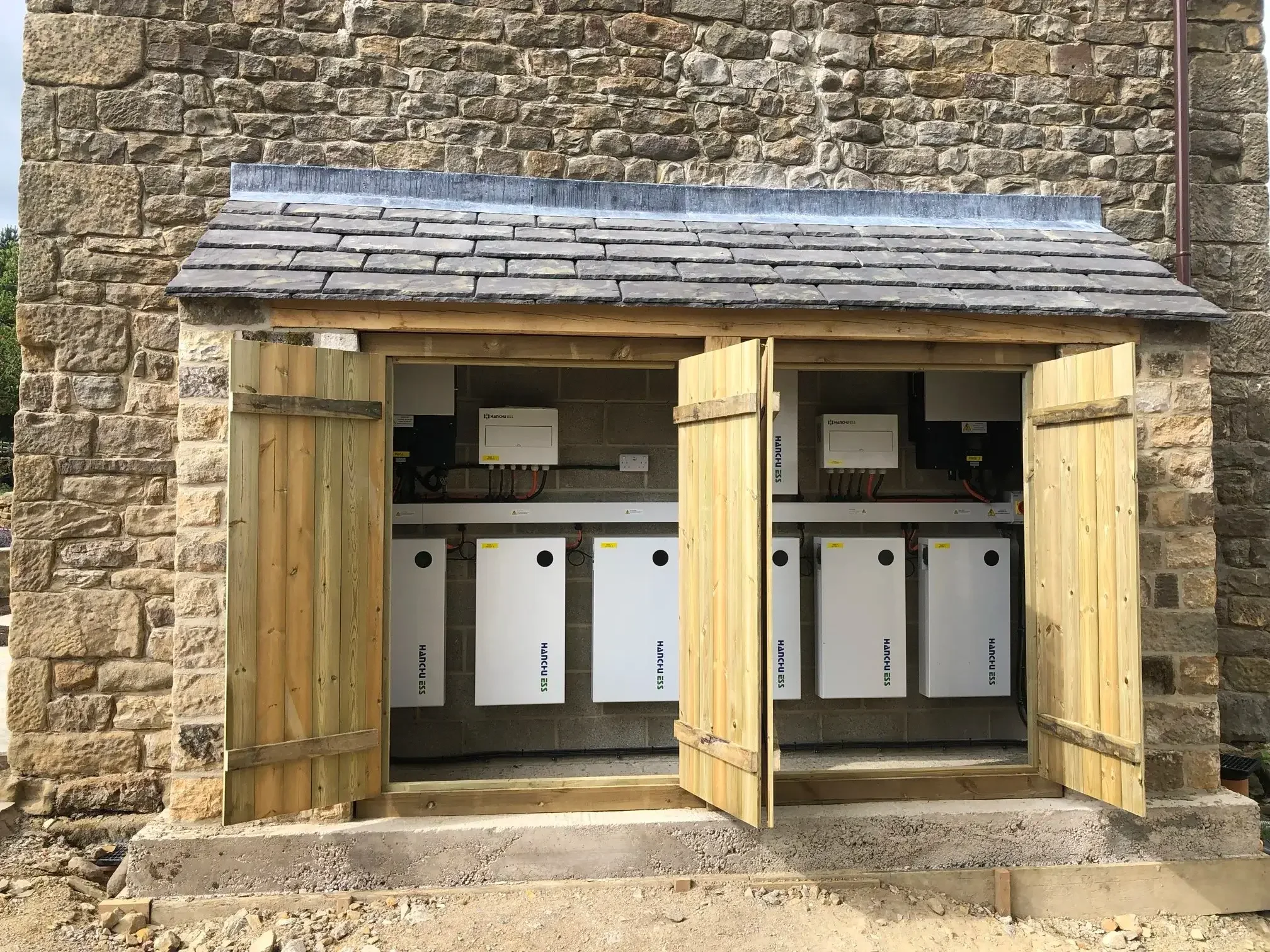
Choosing the right hardware matters as much as the installation. P4 Solar isn’t tied to a single manufacturer – our design team starts with your targets, then recommends the most suitable battery technology and controls, whether it’s paired with solar PV or installed as standalone energy storage.
-
Storage capacity
Inverter/EMS compatibility
Three-phase/site supply
Monitoring and control
Warranty and service support
Installation location (plant room/external)
-
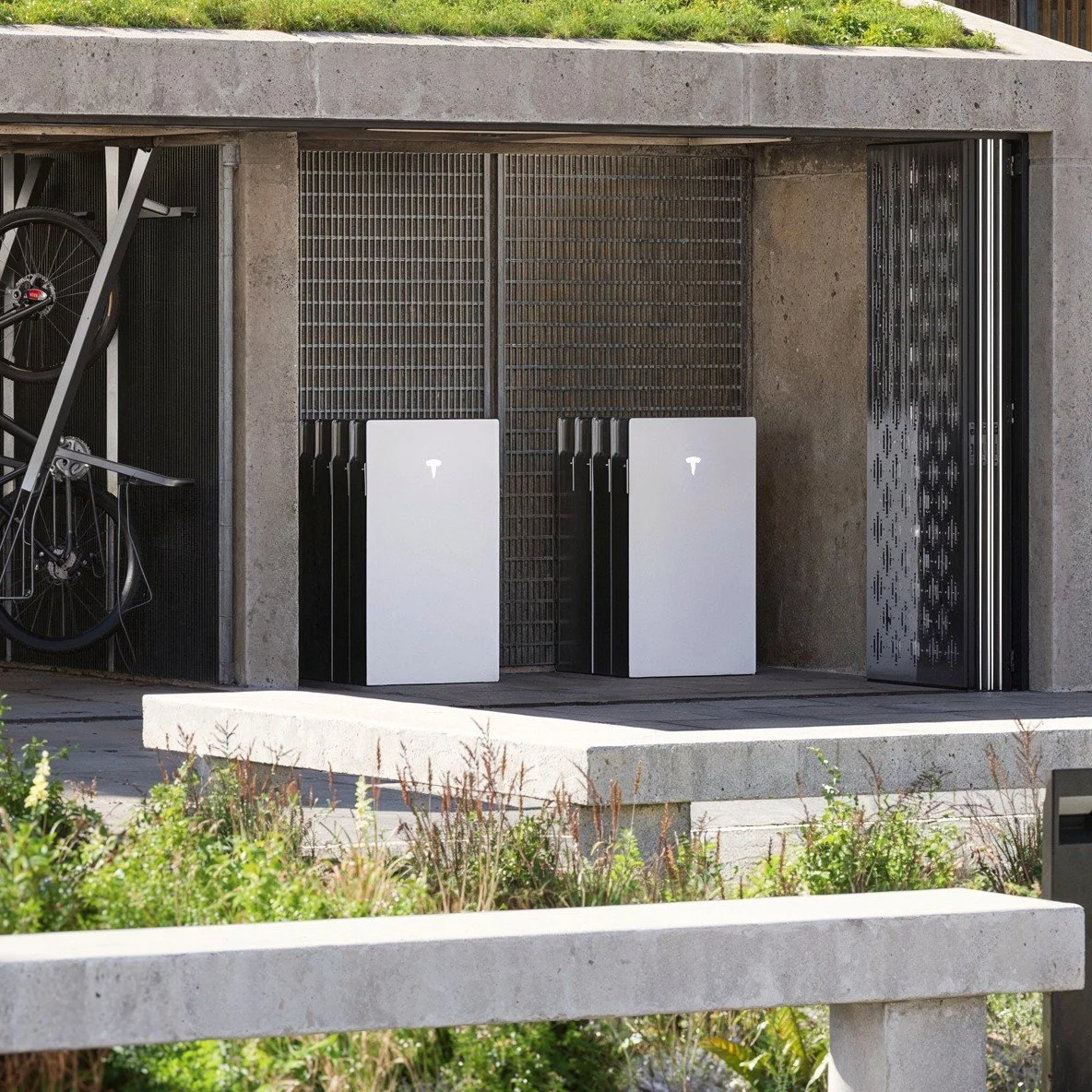
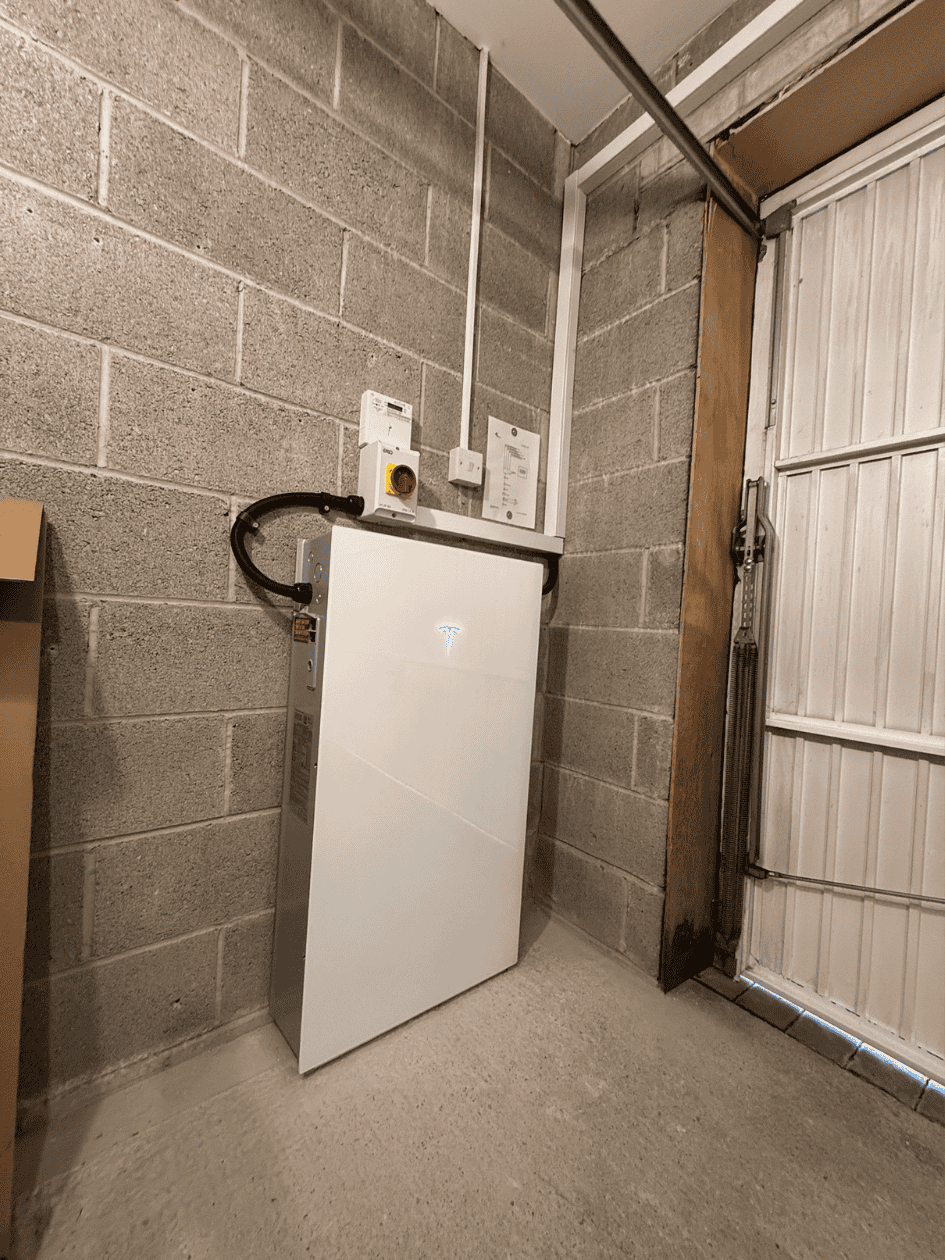
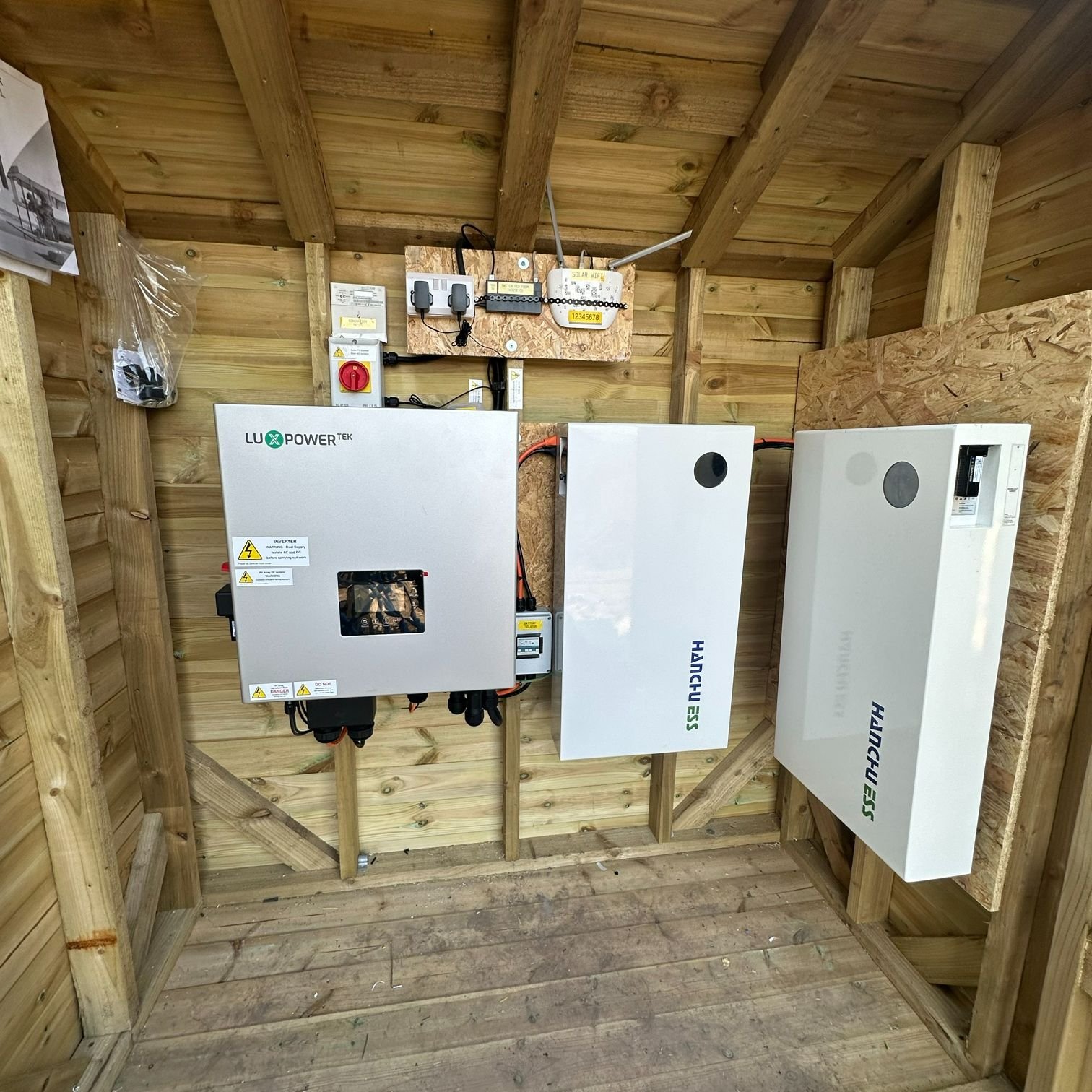
We’re brand-agnostic and can specify from a range of trusted commercial manufacturers, including Tesla Powerwall, DMEGC, Victron, Eurener, SolarPort, Fastensol and other proven suppliers. If you’re working to a specific brand or tender spec, we can design around that requirement where it fits the site and the outcome you want.
We Partner With



















Our Process: Commercial Solar Battery Installation
STEP 1
Data Review & Site Survey
We start by reviewing your current energy use and tariff, then survey the site to confirm space, access and electrical constraints. This lets us define the right energy storage approach early – whether it’s paired with solar power systems or standalone.

STEP 2
Storage Capacity & System Design
Next, we size the commercial solar battery storage around your goal: load shifting, peak shaving, PV system integration, or backup power where configured. You’ll receive a clear design recommendation covering storage capacity, inverter/EMS compatibility and a practical installation layout.

STEP 3
Grid Checks & Connection Planning
Commercial battery storage interacts with your power grid connection, so we factor in any site supply limits, export rules and DNO requirements early. This keeps the design realistic and avoids late changes.
STEP 4
Commercial Solar Battery Installation
Our in-house, MCS-certified team completes installation services safely and efficiently, keeping disruption low. We work to the agreed schedule, maintain tidy work areas and communicate clearly with on-site contacts throughout.

STEP 5
Commissioning, Controls & Monitoring Setup
We commission and test the system, configure control strategy, and set up monitoring or energy management systems so performance is visible and trackable.

STEP 6
Aftercare, Maintenance & Support
After switch-on, we provide maintenance and support to protect long-term system efficiency – including monitoring checks, performance guidance and advice on future upgrades or PV integration.
Recent Commercial Battery Installations
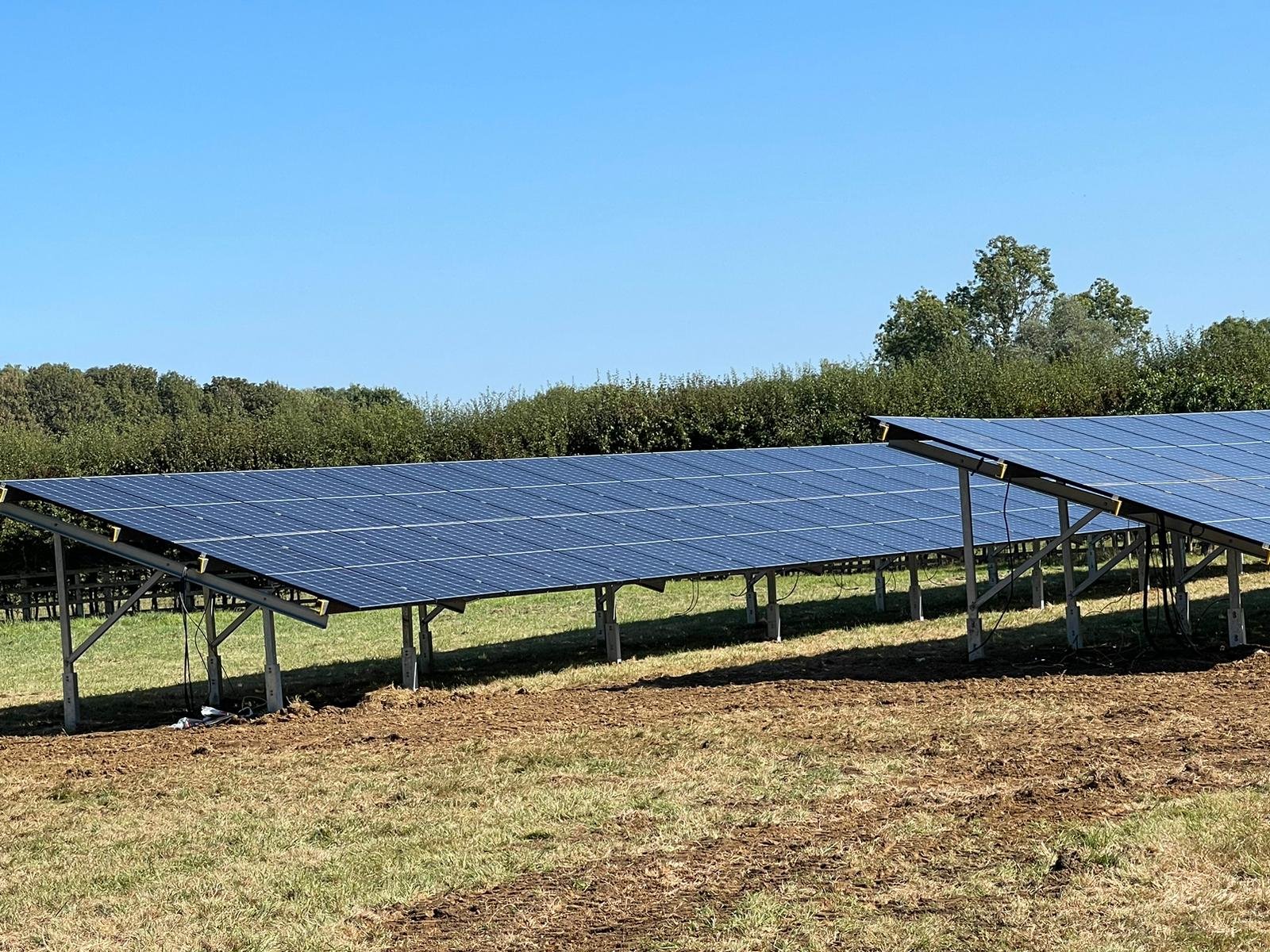
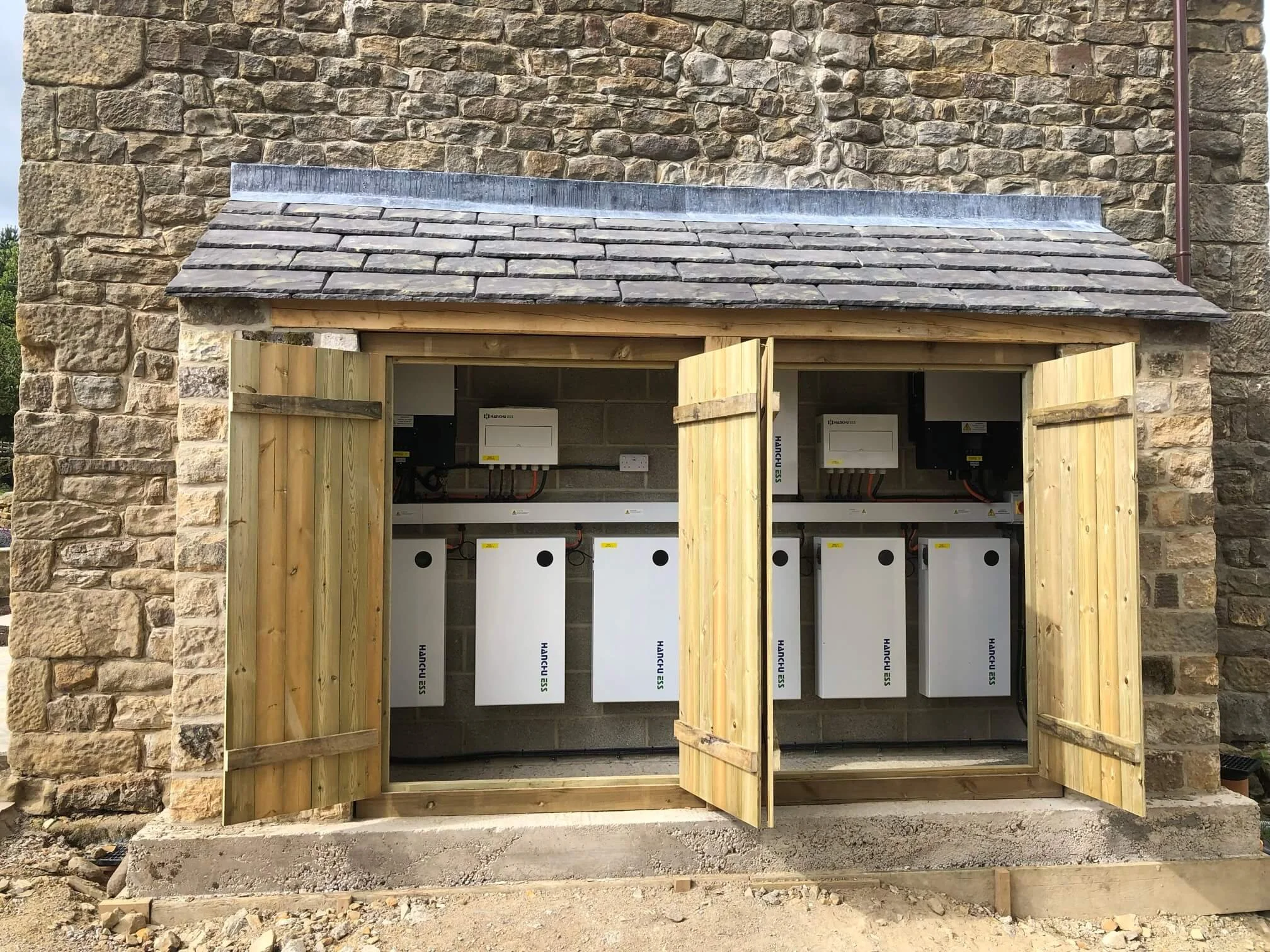
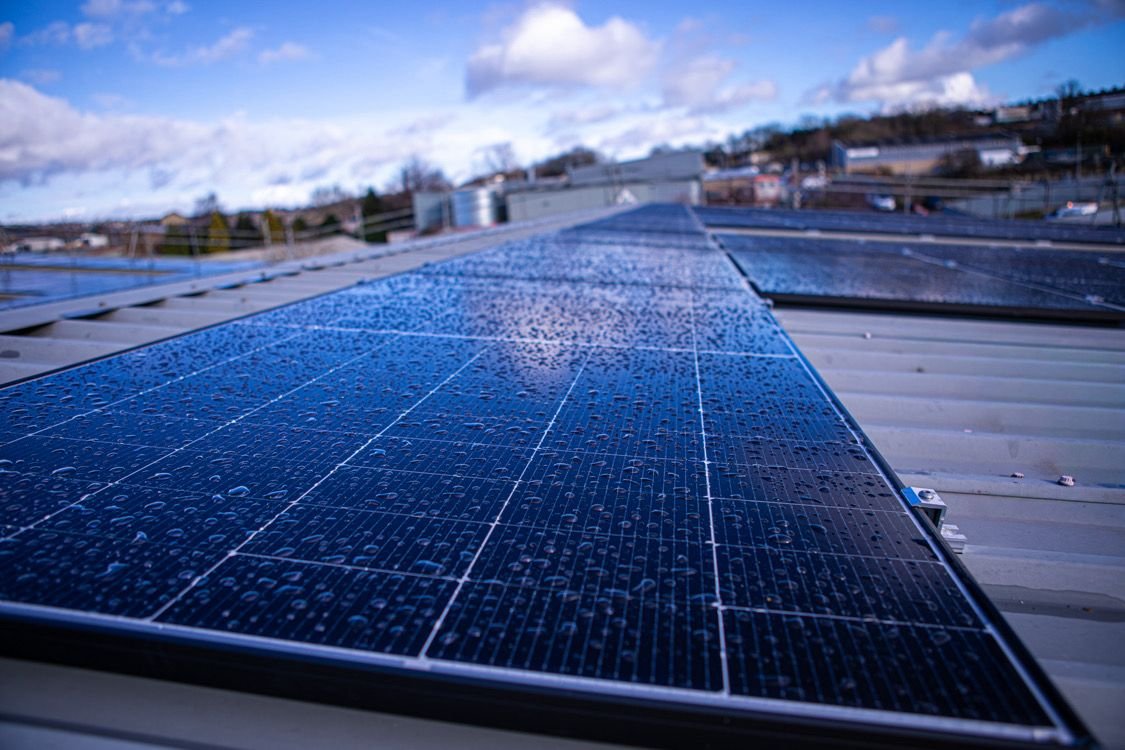
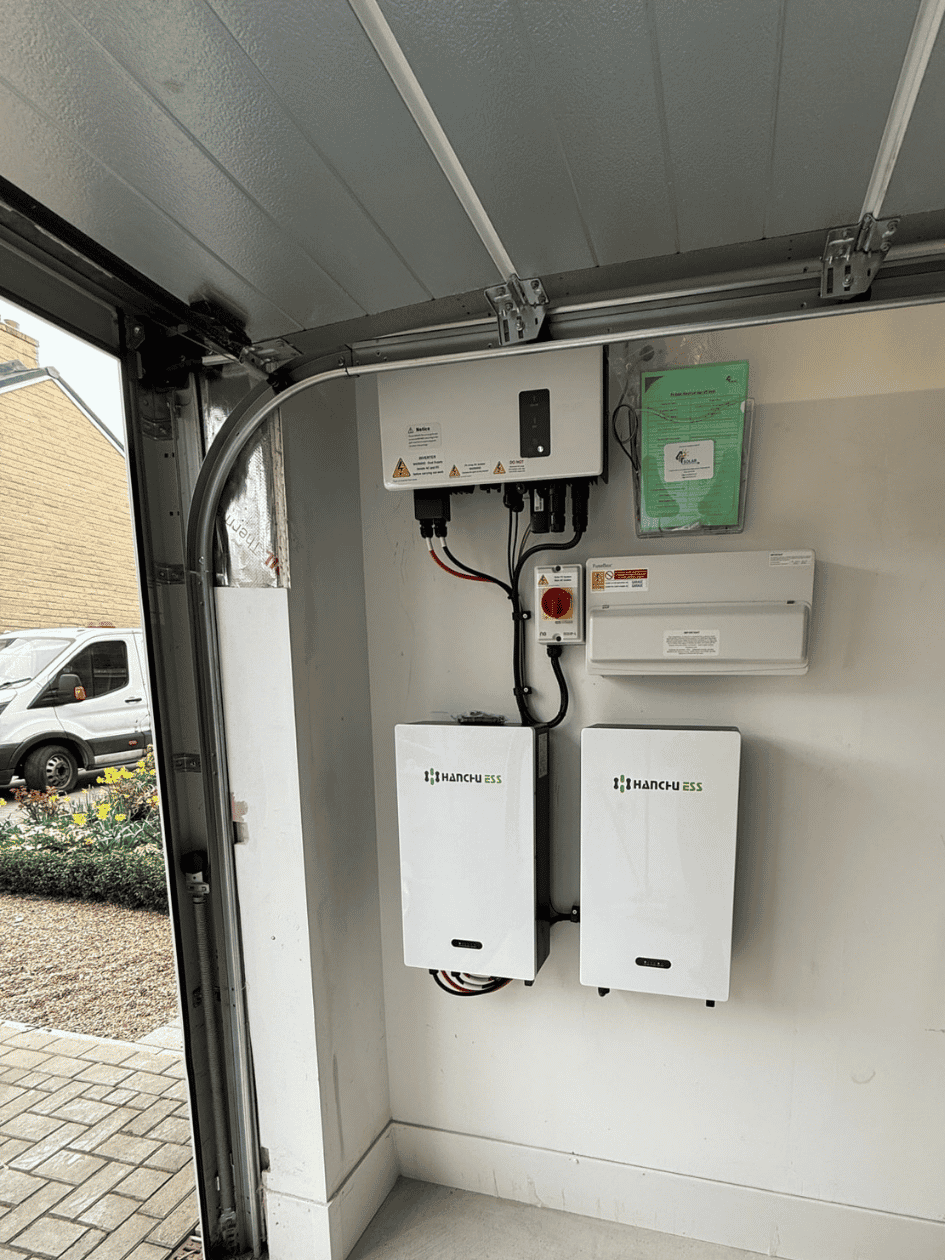
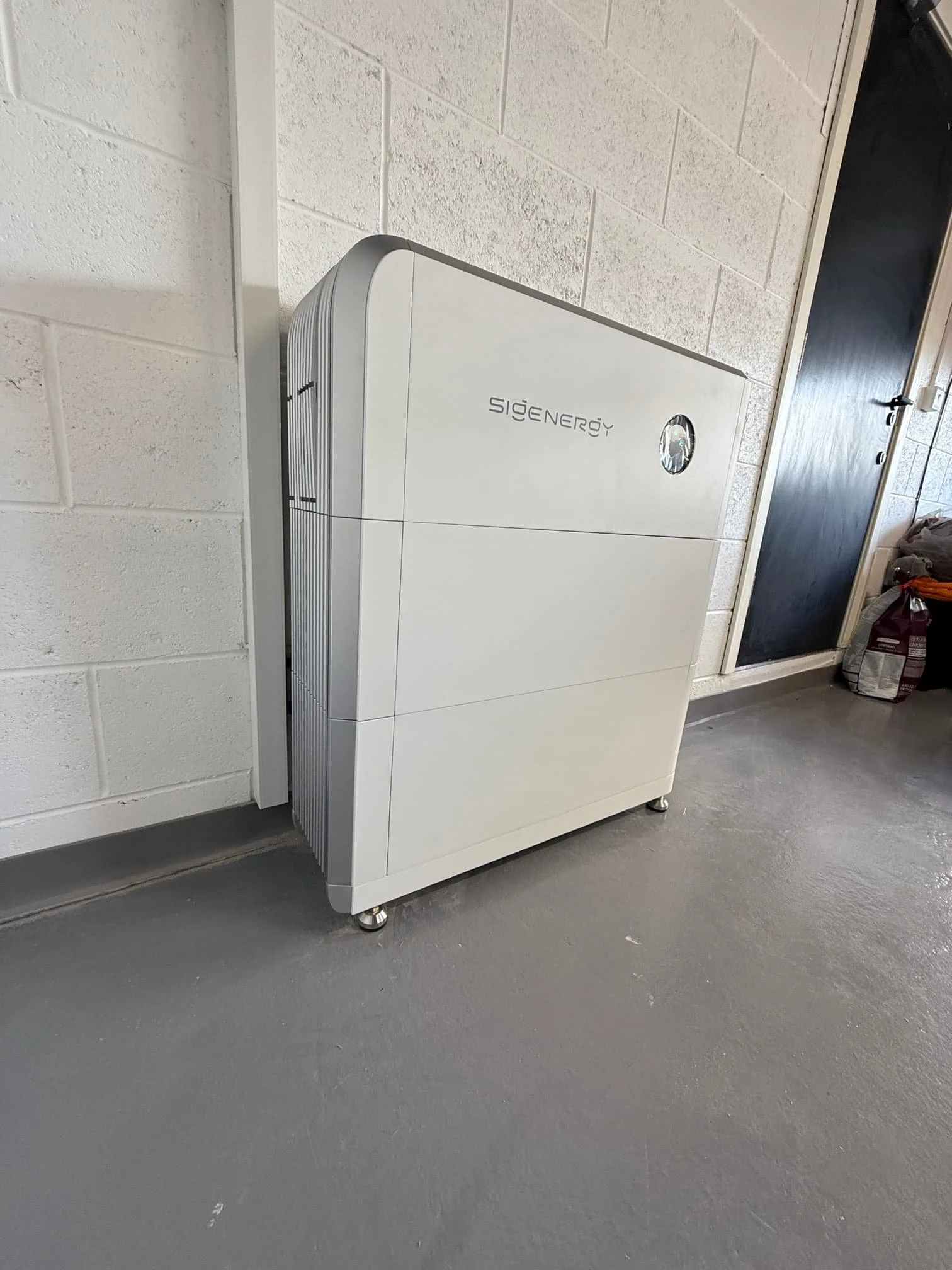
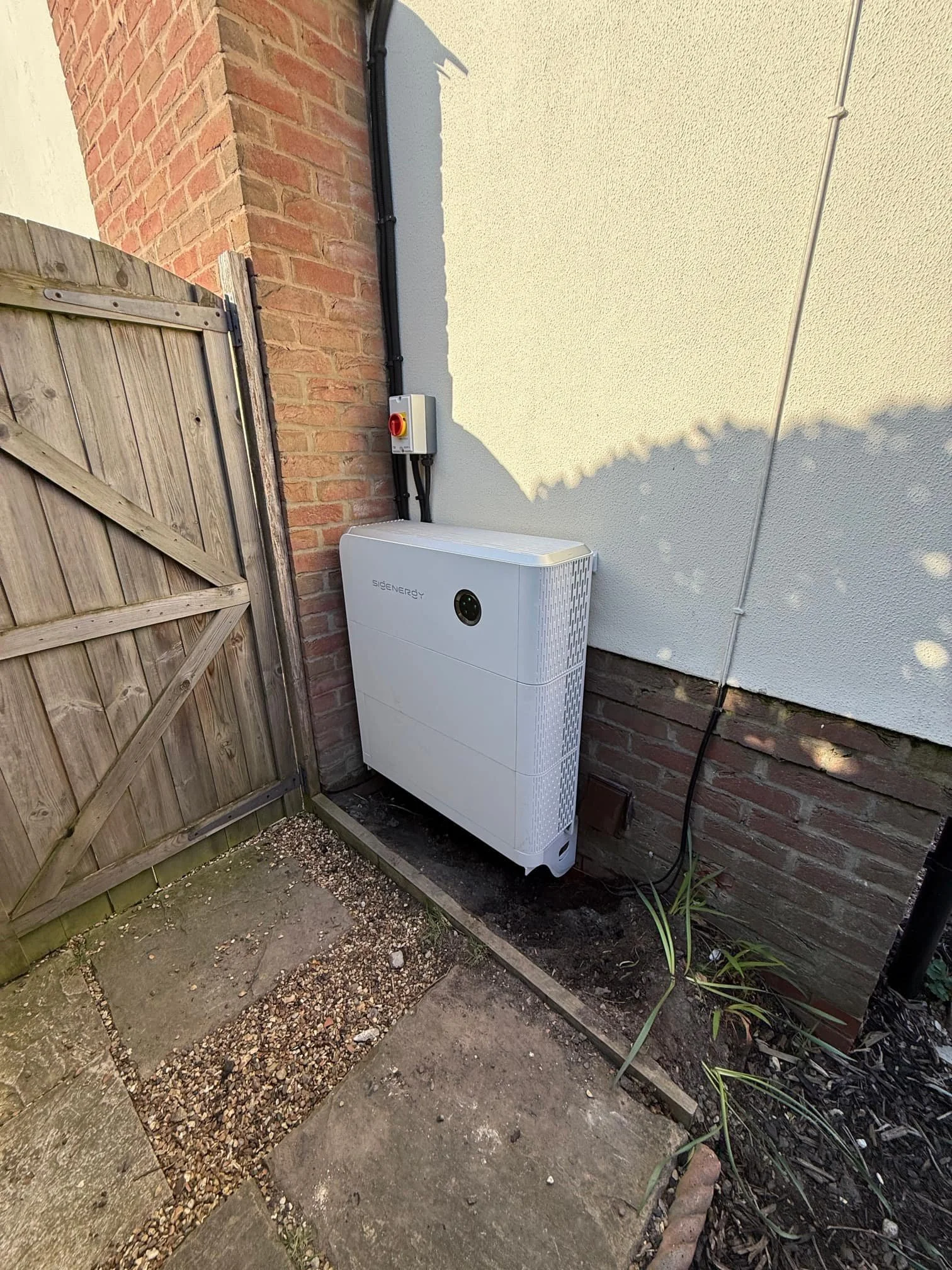
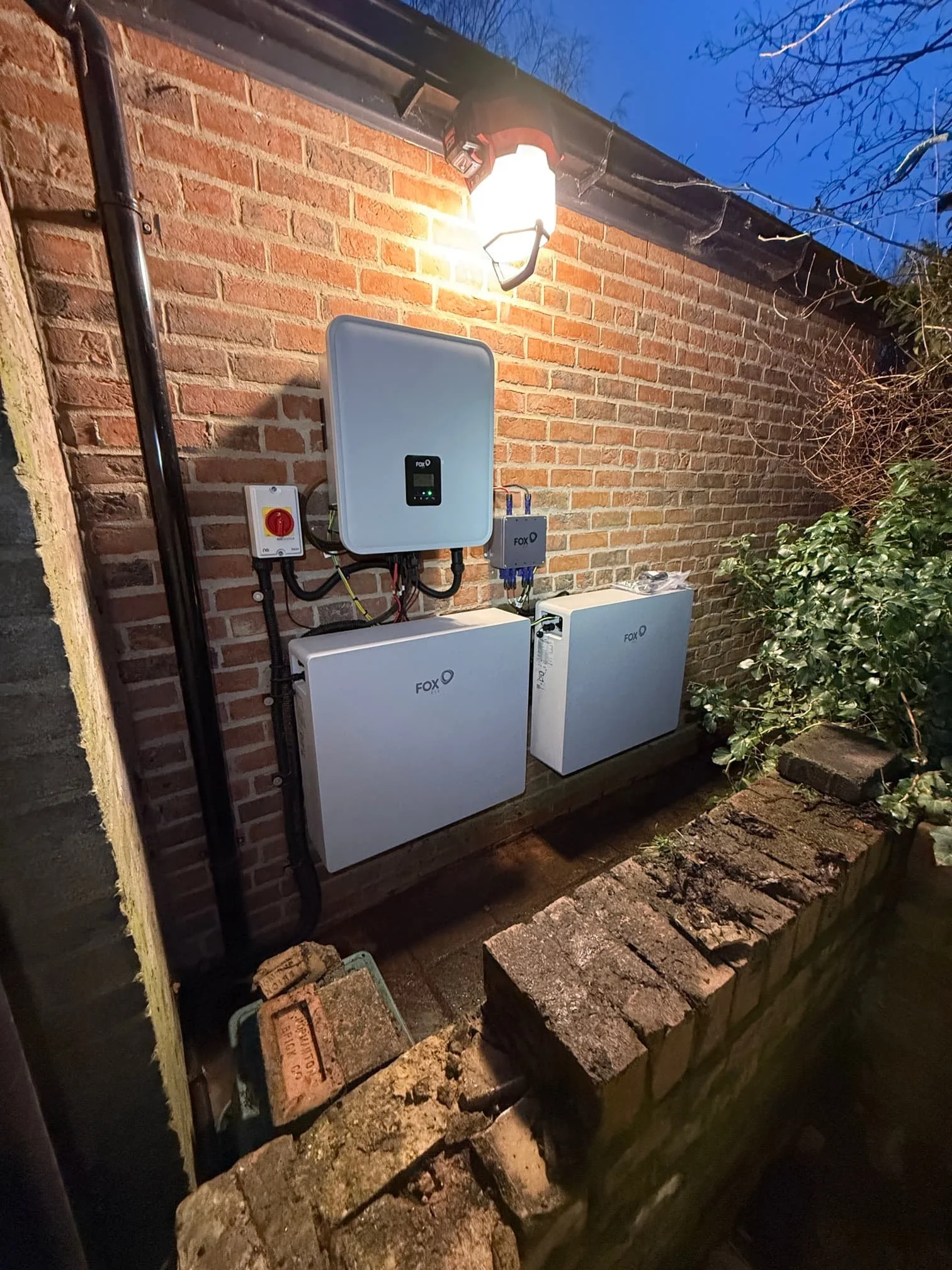
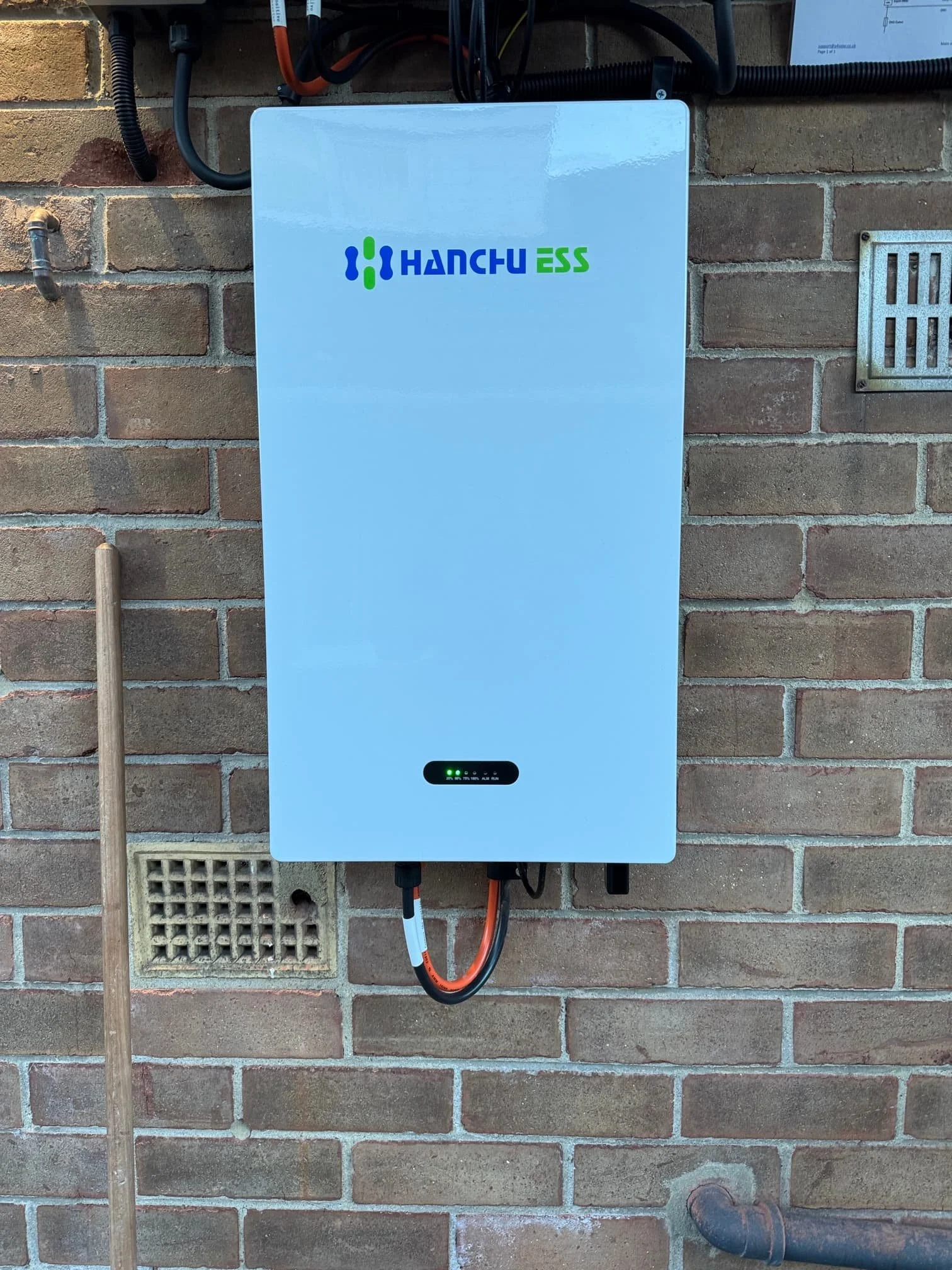
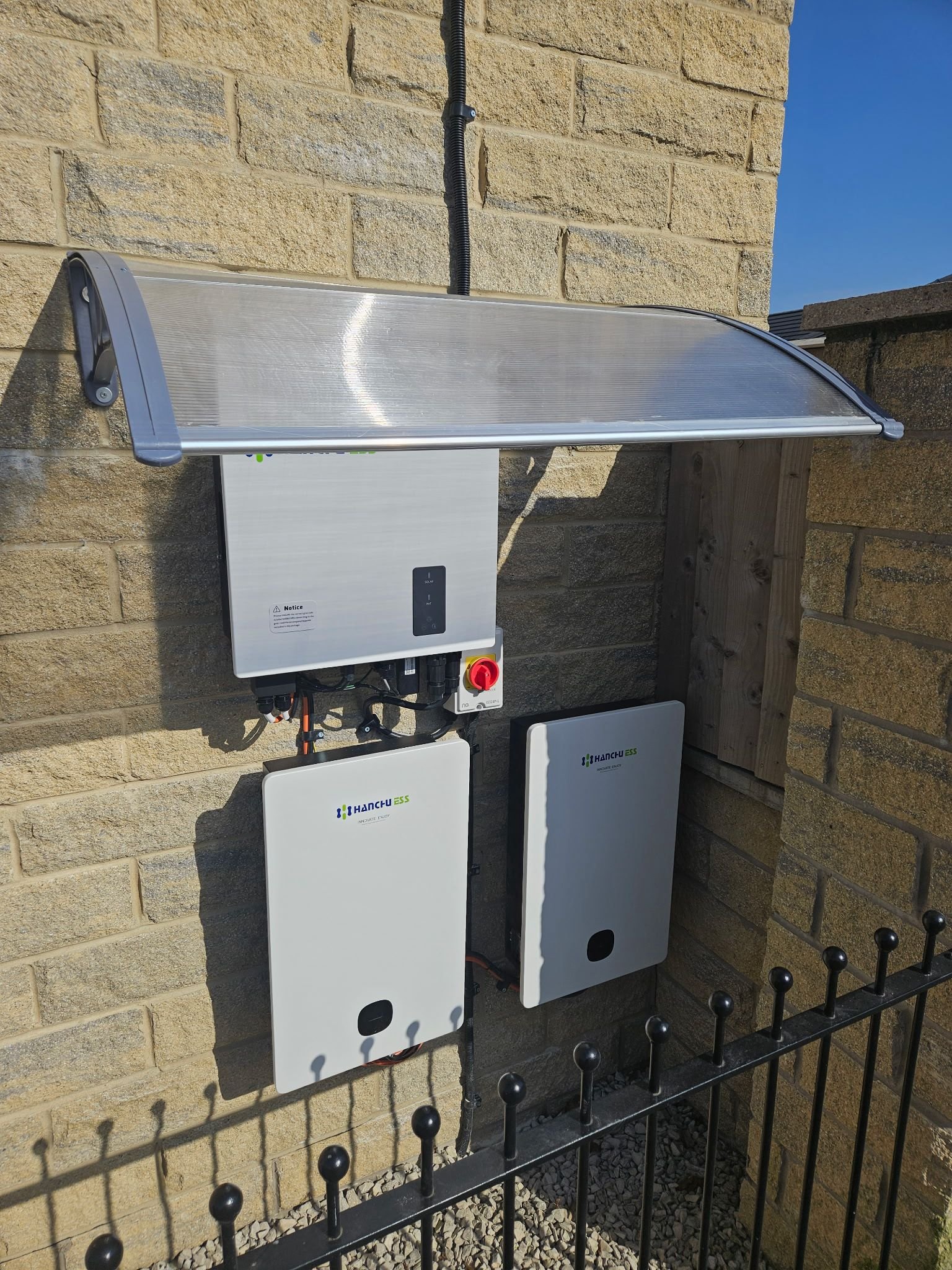
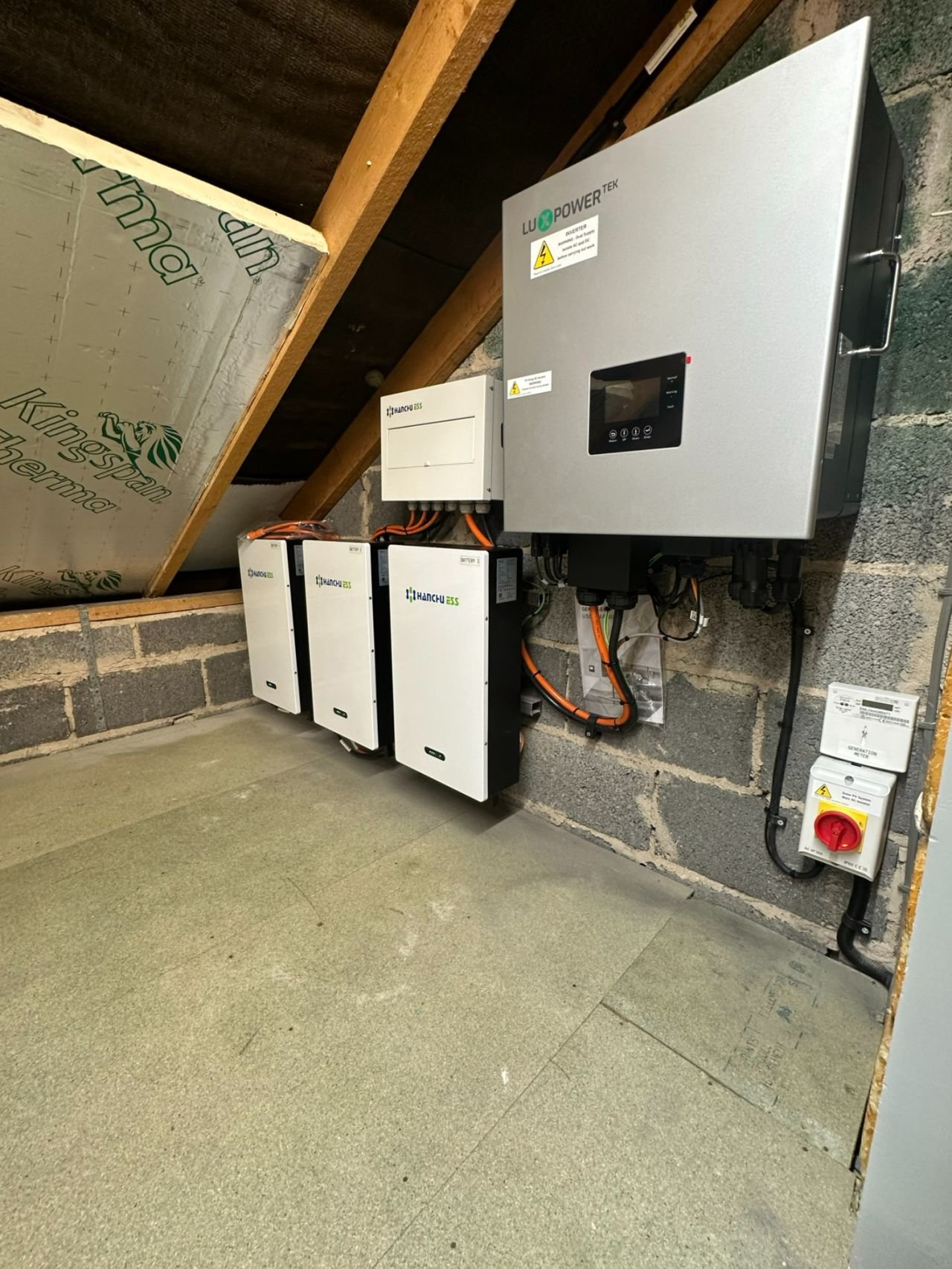
See how energy storage performs in the real world. These case studies show commercial & industrial solar batteries sized around site demand, integrated with solar power systems where relevant, and commissioned with monitoring so performance stays visible over time.


Frequently Asked Questions
-
Yes. Commercial battery storage can be installed as a standalone energy storage system, and it’s often used to improve cost control by storing electricity and using it later. The battery is charged from the grid (and/or other onsite generation if present), then discharged based on a control strategy set through monitoring or an energy management system.
If you also have PV later, the same system can usually be designed for renewable energy integration and PV system integration from day one. -
Commercial solar battery storage is best suited for sites that use meaningful electricity across the day and want better cost control, higher solar self-use, or added resilience. It’s commonly a good fit for:
Businesses with steady building-service loads (HVAC, lighting, refrigeration)
Sites with predictable operating hours and consistent demand profiles
Multi-site operators who want a repeatable energy management approach
Businesses adding onsite solar and wanting to keep more generation onsite (less export)
Sites where resilience matters for key operations (backup power where configured)
A quick feasibility review using your usage data and site constraints will confirm what’s realistic.
-
Commercial solar battery storage systems range from smaller site-level installations through to larger multi-battery setups. The right size depends on your goal (cost control, PV self-use, resilience), your load profile, and practical limits like space and electrical design.
In practice, sizing is driven by:
Your site demand and how long you want storage to cover (storage capacity)
How much surplus solar you generate (if PV is installed)
Power requirements (how much the battery needs to deliver at once)
Available installation location (plant room or external area) and safety constraints
Power grid connection limits and any export rules where relevant
We’ll recommend a size that’s buildable on your site and aligned with the business case.
-
A good rule of thumb is 10-15 years for many industrial and commercial battery systems, with some installations lasting longer depending on battery technology, usage (how hard it cycles), temperature control and how well it’s monitored. Most systems don’t suddenly fail, they typically lose storage capacity gradually over time.
For P4 Solar projects, we specify from a range of high-performance commercial batteries and design the system around your site and targets, so the battery isn’t worked harder than it needs to be. Your proposal and handover pack will confirm the exact warranty terms for the equipment specified and what aftercare support looks like to protect long-term performance.
-
Often, yes. For most businesses the main support is tax relief through capital allowances, rather than a single grant. Depending on eligibility, you may be able to deduct some or all of the cost of qualifying battery storage equipment from taxable profits (e.g., via AIA or other first-year allowance routes) – your accountant can confirm the best treatment for your company.
VAT treatment varies between domestic and commercial installs, so it’s best to treat VAT as case-by-case for business sites. If you export any surplus electricity from a solar + battery setup, you may also receive SEG payments (supplier rates vary), typically as a bonus rather than the main return.
-
Some commercial battery storage systems can be configured to respond to tariff signals or external control strategies using an energy management system, but what’s possible depends on the battery/inverter platform, monitoring controls, and your site’s metering/tariff setup.
The practical approach is:
Define the goal first (cost savings vs grid support vs resilience)
Confirm what your tariff allows and what data/control is available
Specify battery technology and controls that can support the chosen strategy
If demand response is a priority, it should be agreed upfront so the system design includes the right controls and monitoring.
-
A typical commercial solar battery installation is delivered in a controlled, planned way so disruption stays low. The key steps usually include:
Site survey to confirm location, access, ventilation/clearances and electrical constraints
Final system design (storage capacity, controls, PV integration where relevant)
Any required grid/DNO checks and site-specific safety planning
Installation, electrical connections and testing
Commissioning and setup of monitoring / energy management controls
Handover documentation plus aftercare and maintenance support
Once the survey and design are finalised, you’ll get a clear install plan and schedule so the work is predictable on a live commercial site.

Find Solar Panel Installation Near You
We provide solar panel installations across Yorkshire and the wider North, supporting residential, commercial and community projects of all sizes.
Use the postcode checker below to confirm coverage in your area, or explore some of the locations we regularly work in.
If your location isn’t listed, it doesn’t mean we don’t cover it – get in touch and our team can quickly advise.
Do we cover your area?
Enter your postcode to instantly check if P4 Solar operates in your location.
Ready to
Start Saving with Solar?
Get a free, no-obligation quote from our MCS-certified team. We’ll design the perfect system for your residential, commercial or community property.