
Solar Panels for Offices
Cutting Office Energy Costs Across Yorkshire & the North
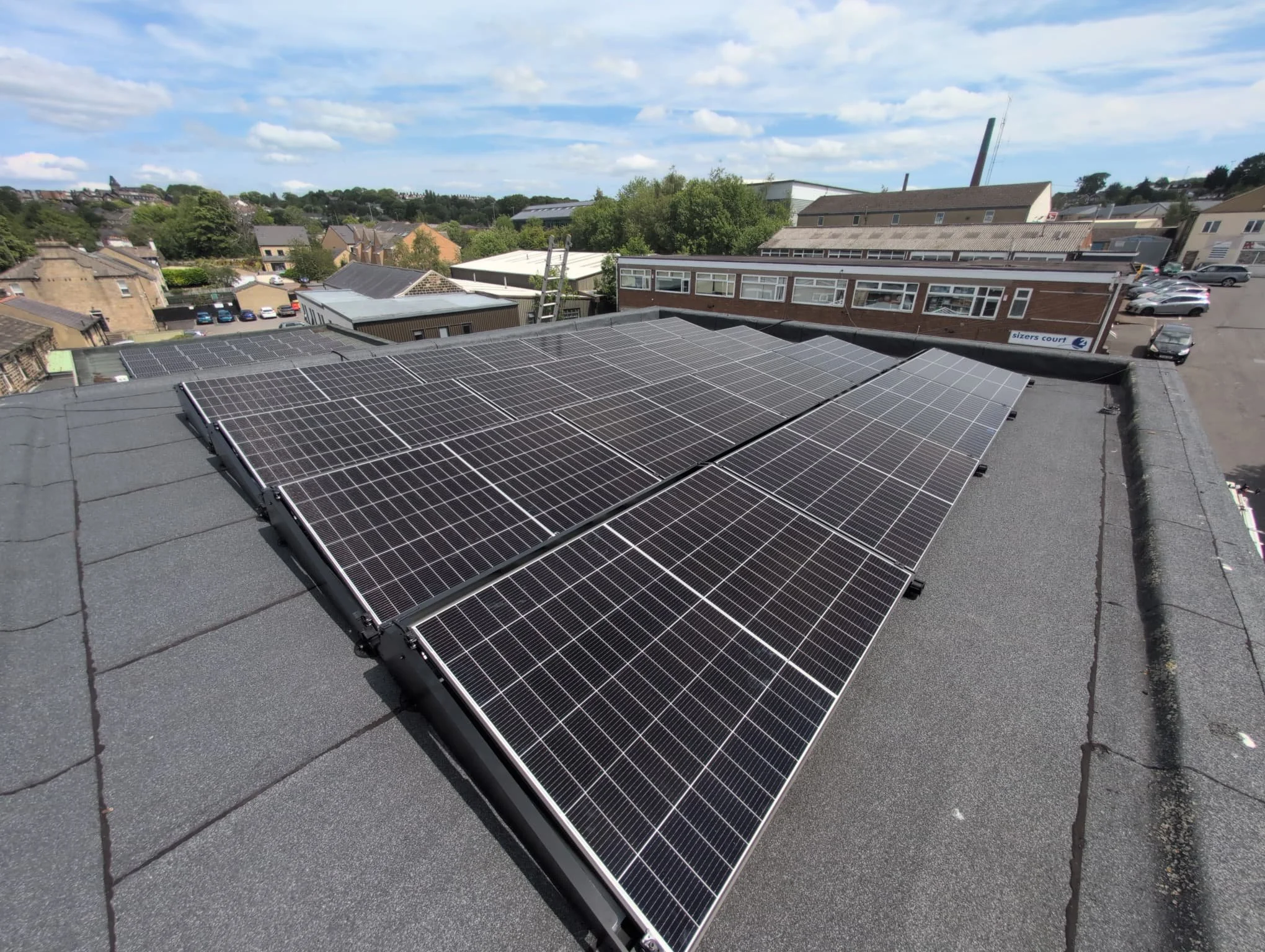
Solar panels for office buildings turn unused roof space into on-site electricity supply. For office-hour operations, that often means strong self-use, clear electricity cost savings, and a straightforward route to more sustainable buildings.
P4 Solar delivers commercial solar solutions for office buildings across Yorkshire & the North – from feasibility and solar system design to the installation, commissioning and aftercare.
Accredited & Certified







Is Your Office Building
Suitable for Solar?
Office blocks often have the right daytime load profile for solar, but a few building-specific details can change the recommendation. Use the questions below as a quick sense-check before a survey.
-
This is usually the first thing that determines how quickly an office solar project can move. If you’re a tenant, you’ll normally need landlord/managing agent sign-off before any rooftop works.
What you can check now (takes 5 minutes):
Is the building freehold or leasehold – and does the lease mention roof alterations?
Who currently manages roof maintenance (landlord, managing agent, facilities manager, provider)?
Are there existing roof warranties/maintenance contracts that require approval for fixings?
If it’s multi-tenant, is there a single FM contact who coordinates work?
What to send us to speed up the quote: the building address, who owns/manages the roof, and any notes on roof warranty/maintenance arrangements.
-
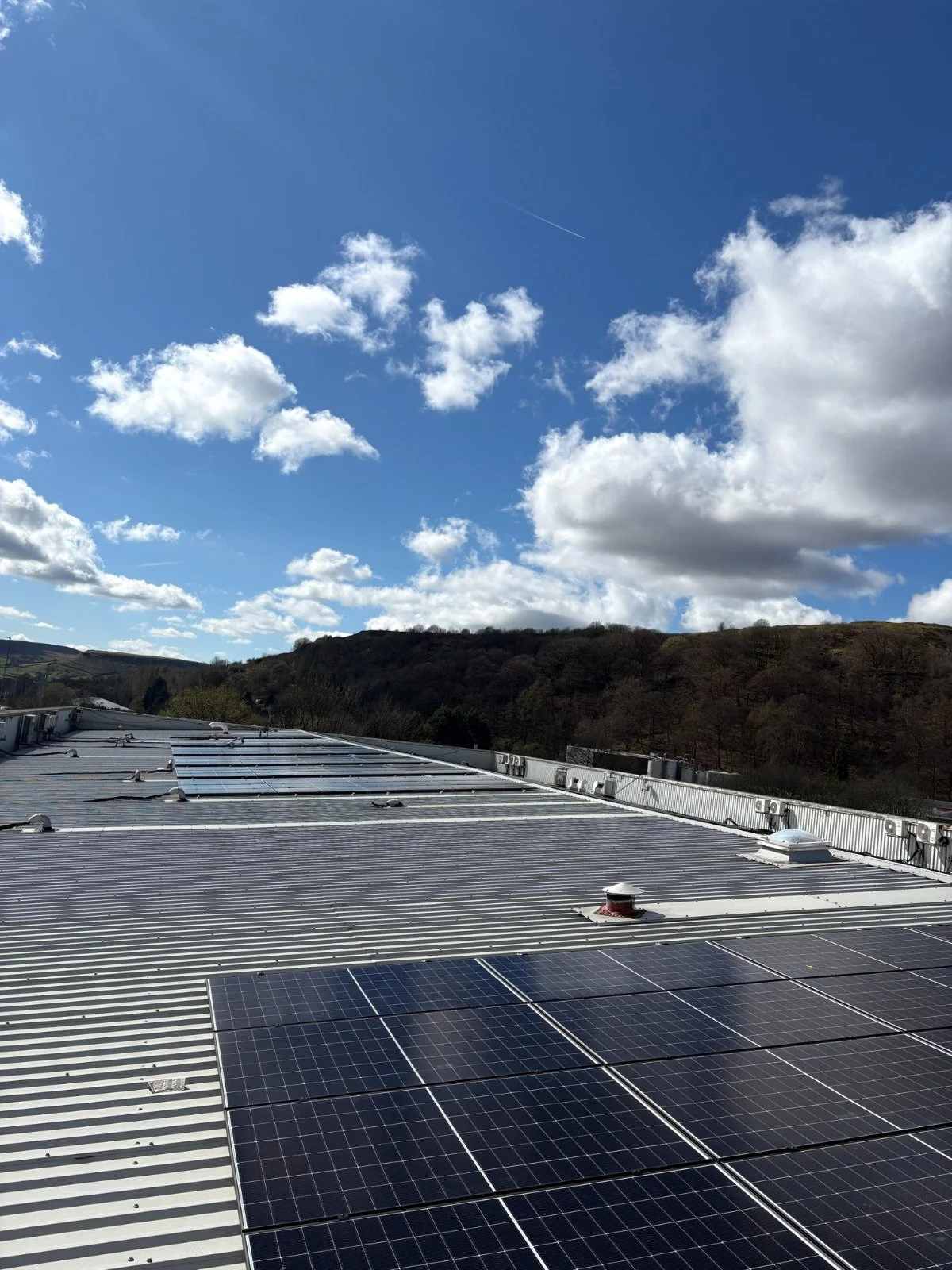
Most office roofs can support a photovoltaic system, but the usable area is often reduced by heating, ventilation, and air conditioning plant and access routes.
Quick sense-check you can do:
Rough roof type: flat/membrane or pitched
Obvious constraints: large HVAC units, rooflights, vents, lift overruns, comms equipment
Any planned roof works in the next 12–24 months (it’s best to coordinate timing)
What helps us assess faster: roof plans (even old ones), a few roof photos, and any known restrictions on fixings/penetrations. From there we can estimate realistic PV zones before the full survey.
-
Sometimes. For solar panels for office buildings, grid connection constraints can shape the recommended system size, particularly if export is limited. In most cases, the best value comes from offsetting weekday electricity use first (lighting, HVAC, IT), with export treated as secondary where available.
What you can pull quickly:
A recent electricity bill showing MPAN and supply capacity (if listed)
Whether you already have any on-site generation (or export agreement)
We’ll confirm what’s realistic for your electricity supply and connection early, so projected electricity cost savings aren’t based on best-case assumptions.
-
Yes, office solar installation is often delivered with the building live. The key is agreeing access and keeping disruption low for staff and tenants.
What to confirm upfront:
Where scaffolding (if required) or access equipment can go (and whether permits are needed)
Delivery routes and any restrictions (loading bays, time windows, shared entrances)
“No-go” periods (events, peak occupancy, specific tenant requirements)
Who signs people in and acts as the on-site point of contact
With those details, we can plan a predictable solar power installation that fits around the building rather than forcing operational changes.
Solar Battery Storage for Office Buildings
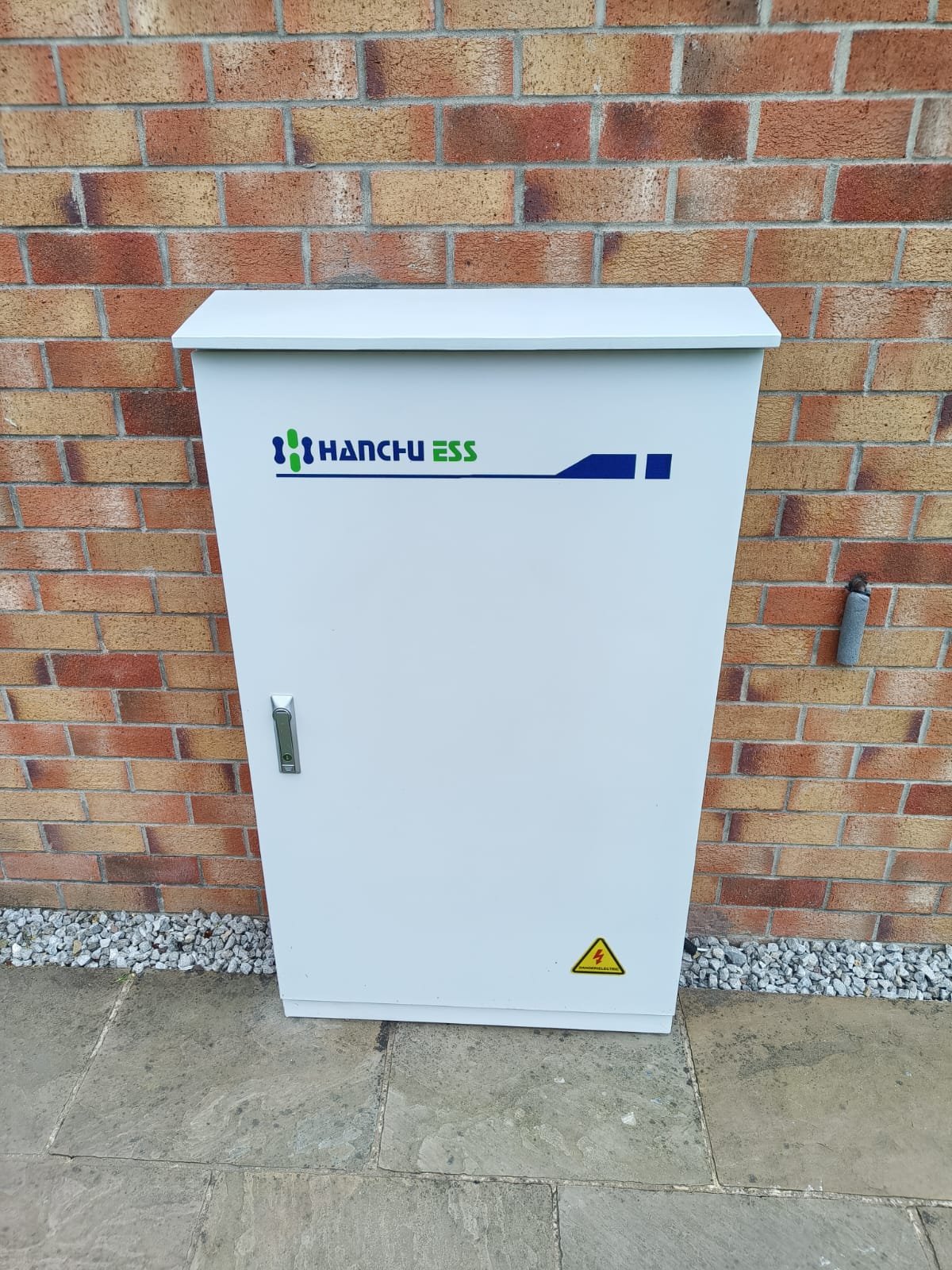
Battery storage is an optional upgrade that helps your office get more value from your solar panels; storing surplus generation so you can use it later and cut grid imports when the building still has demand.
If your building exports surplus electricity, you may also be able to receive payments via a Smart Export Guarantee (SEG) tariff (rates vary by supplier). We’ll advise whether storage improves the business case for your site.
-
Bigger savings: increase on-site use of solar generation and reduce what you buy from the grid.
More resilience (where configured): keep essential systems supported during interruptions (IT/servers, security, access control).
Stronger ESG outcomes: higher on-site renewable use to support sustainability reporting and carbon footprint reduction.
Future-ready investment: a flexible energy feature that keeps pace as occupancy and building use change.


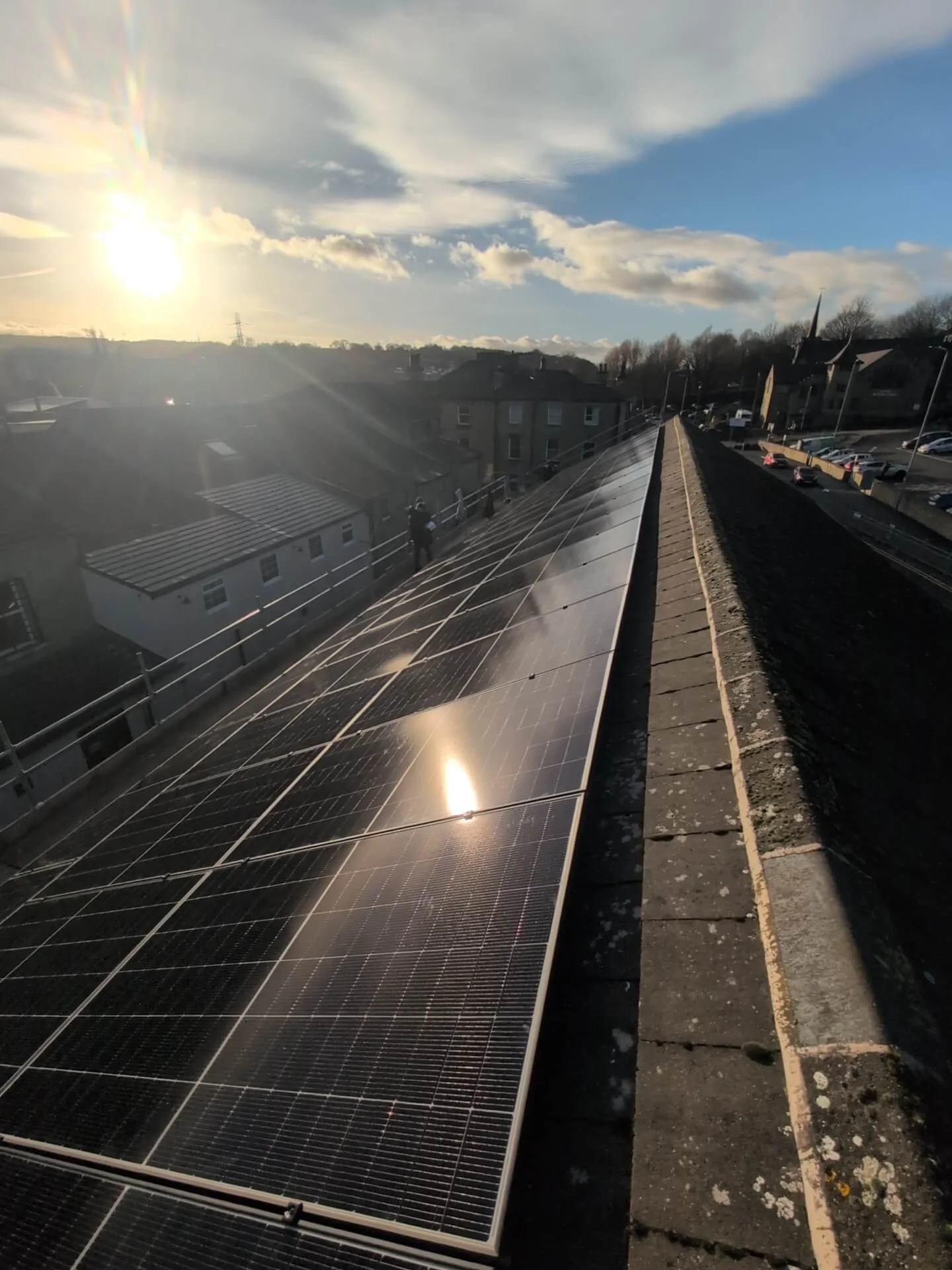
Our Process: Solar Panels for Offices
STEP 1
Free Office Site Survey & Feasibility Check
We assess usable roof space, roof plant constraints and access. Then we review your weekday usage pattern so the solar energy system is designed around genuine on-site demand. You’ll get an initial view on feasible system size, any roof/layout constraints, and what the next steps look like for a smooth install.

STEP 2
Photovoltaic System Design & Clear Proposal
Next, we design a photovoltaic system around your office building: panel layout, inverter approach, and battery storage options where they improve outcomes. You’ll receive a clear proposal covering expected power generation, electricity cost reduction assumptions, and an install plan that fits a live building.

STEP 3
Approvals, Grid Integration & Project Planning
We confirm any approvals (owner/landlord/managing agent), keeping the process straightforward with clear documentation. We’ll also factor in grid integration and any export constraints early, then plan access, working zones and deliveries around building hours.
STEP 4
Professional Solar Power Installation for Offices
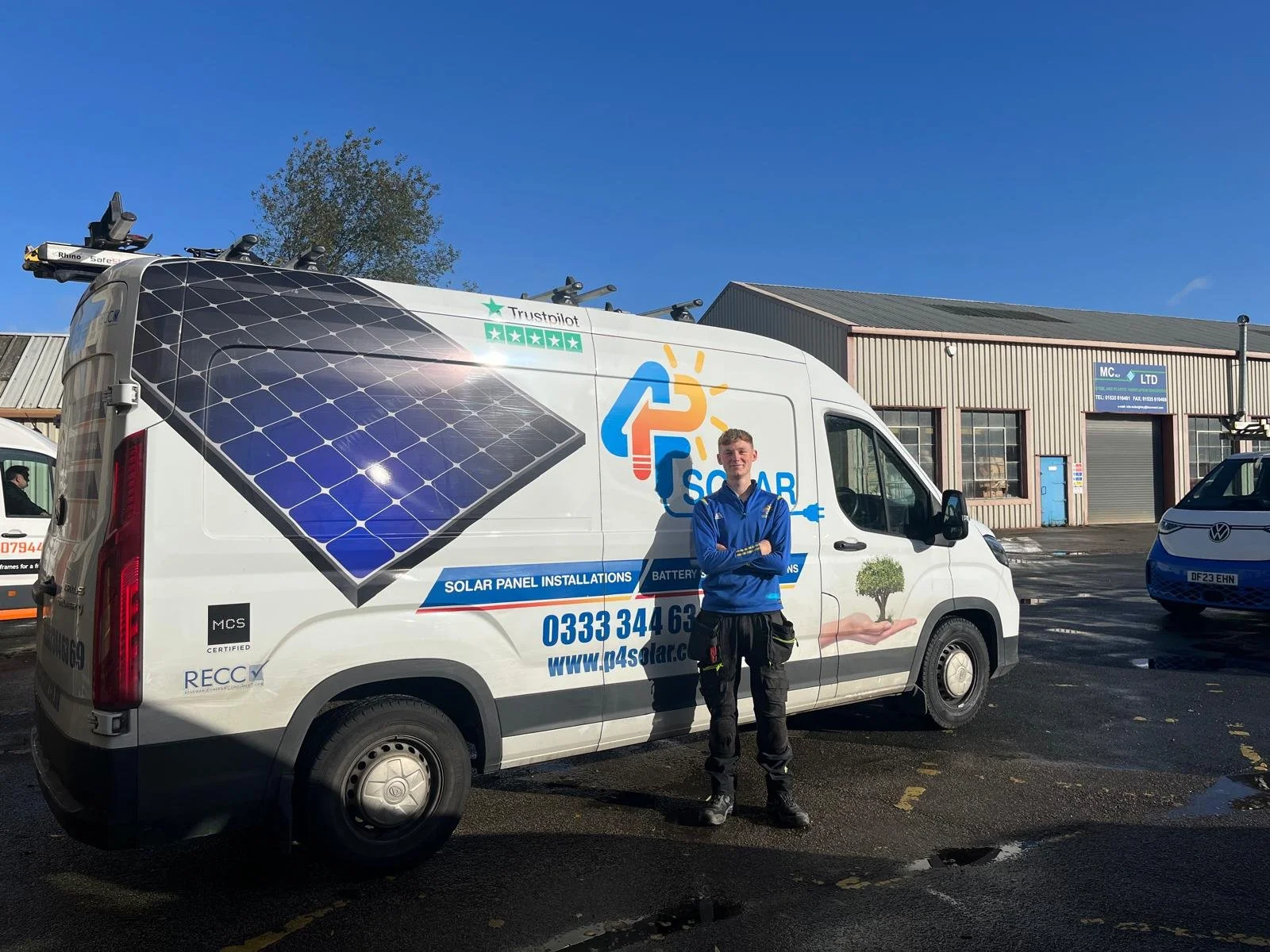
Our in-house, MCS-certified team completes the solar power installation safely and efficiently, keeping disruption low for staff and tenants. We maintain tidy work areas and clear comms throughout.

STEP 5
Commissioning, Monitoring & Handover
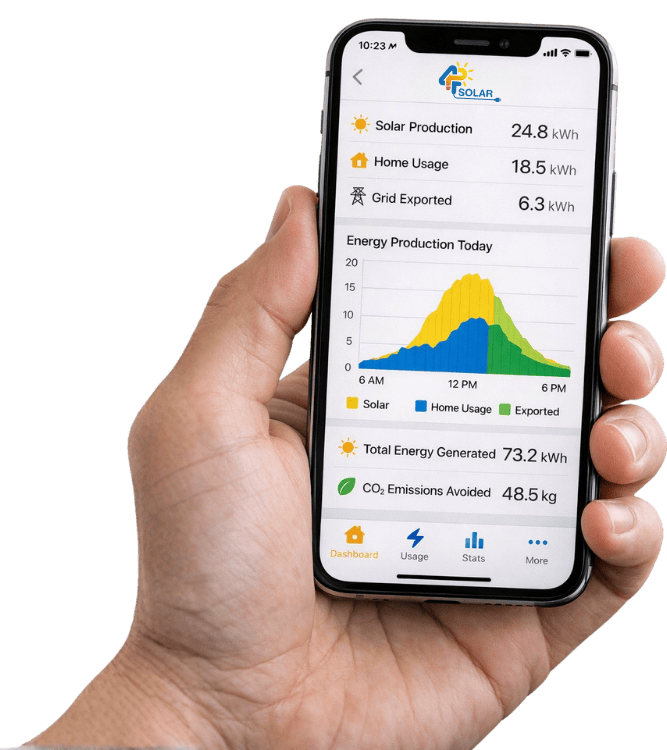
We commission and test the system, set up monitoring, and provide handover documentation so facilities teams can track power generation and performance.

STEP 6
Aftercare & Solar Panel Maintenance
After switch-on, we provide ongoing support, including practical guidance on monitoring and solar panel maintenance to protect long-term performance.
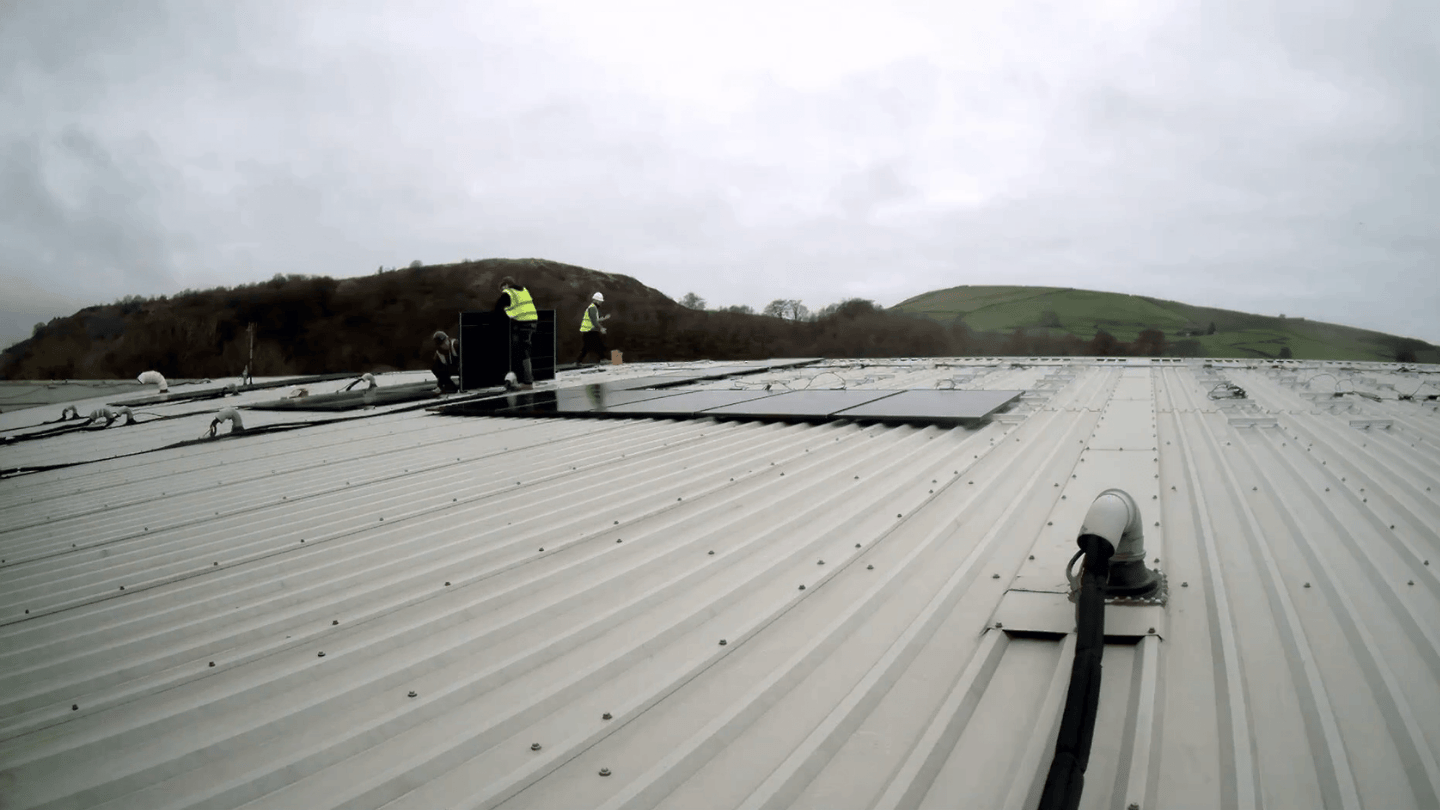
Office Solar Projects in Yorkshire & the North
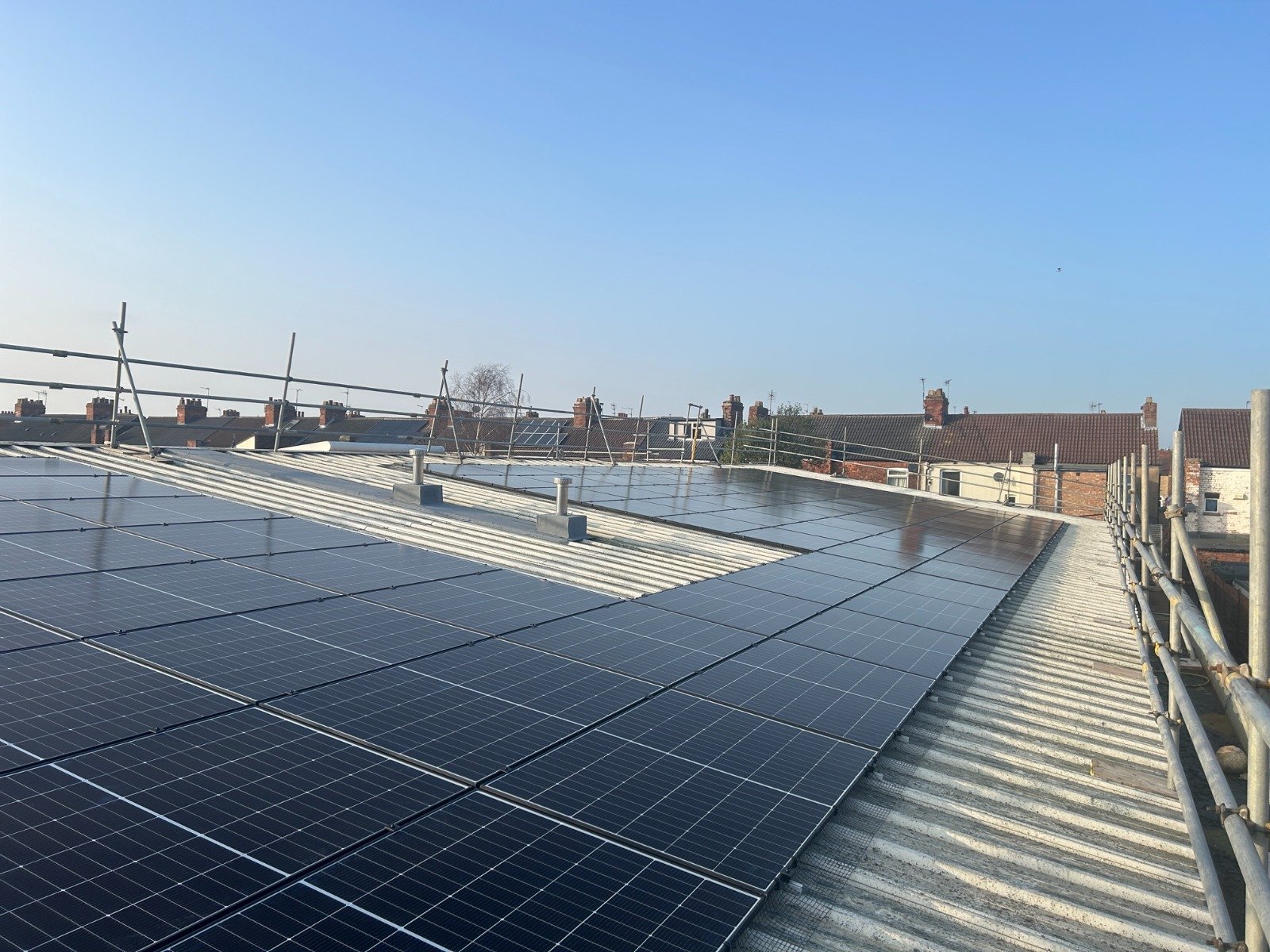
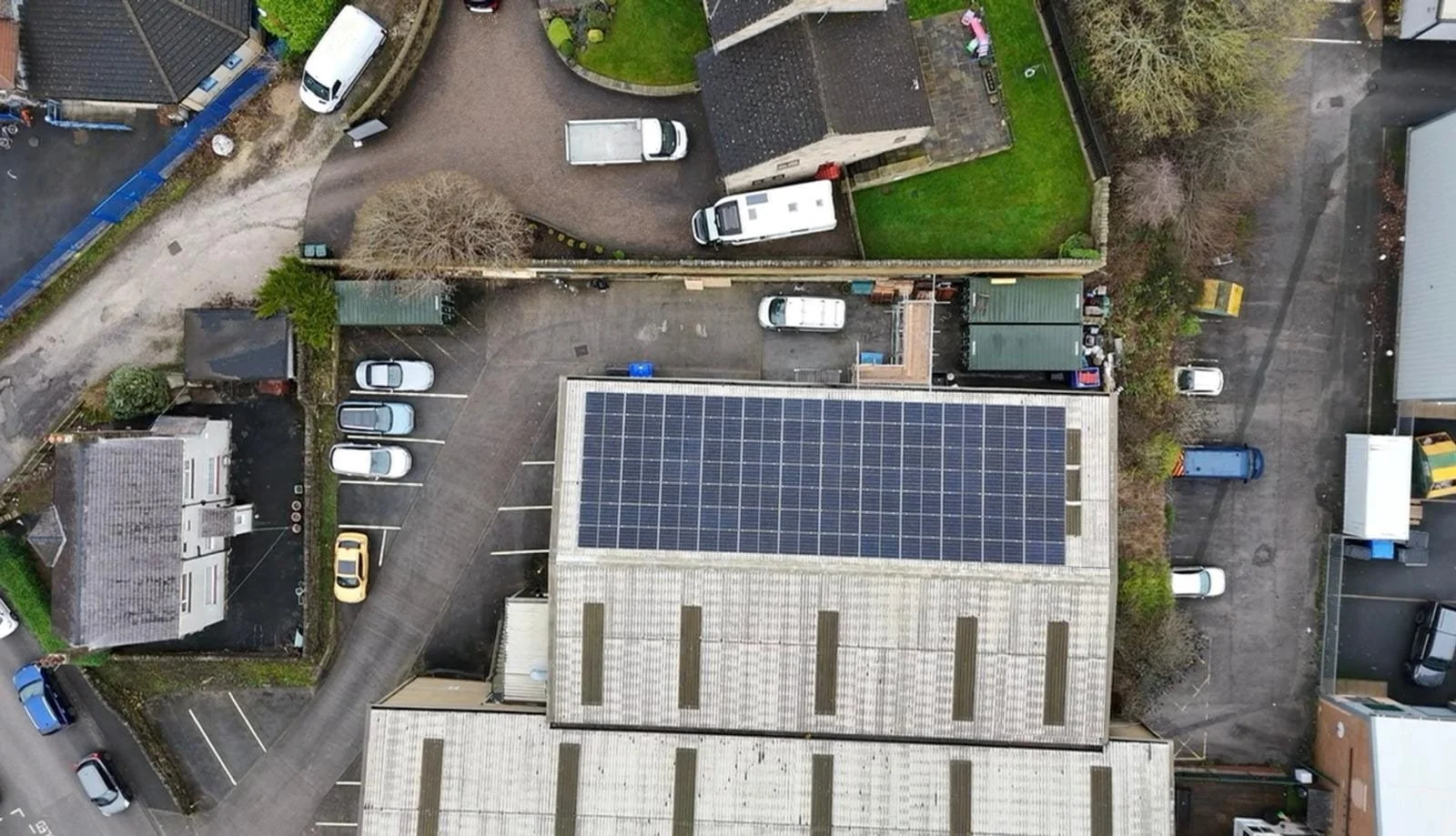
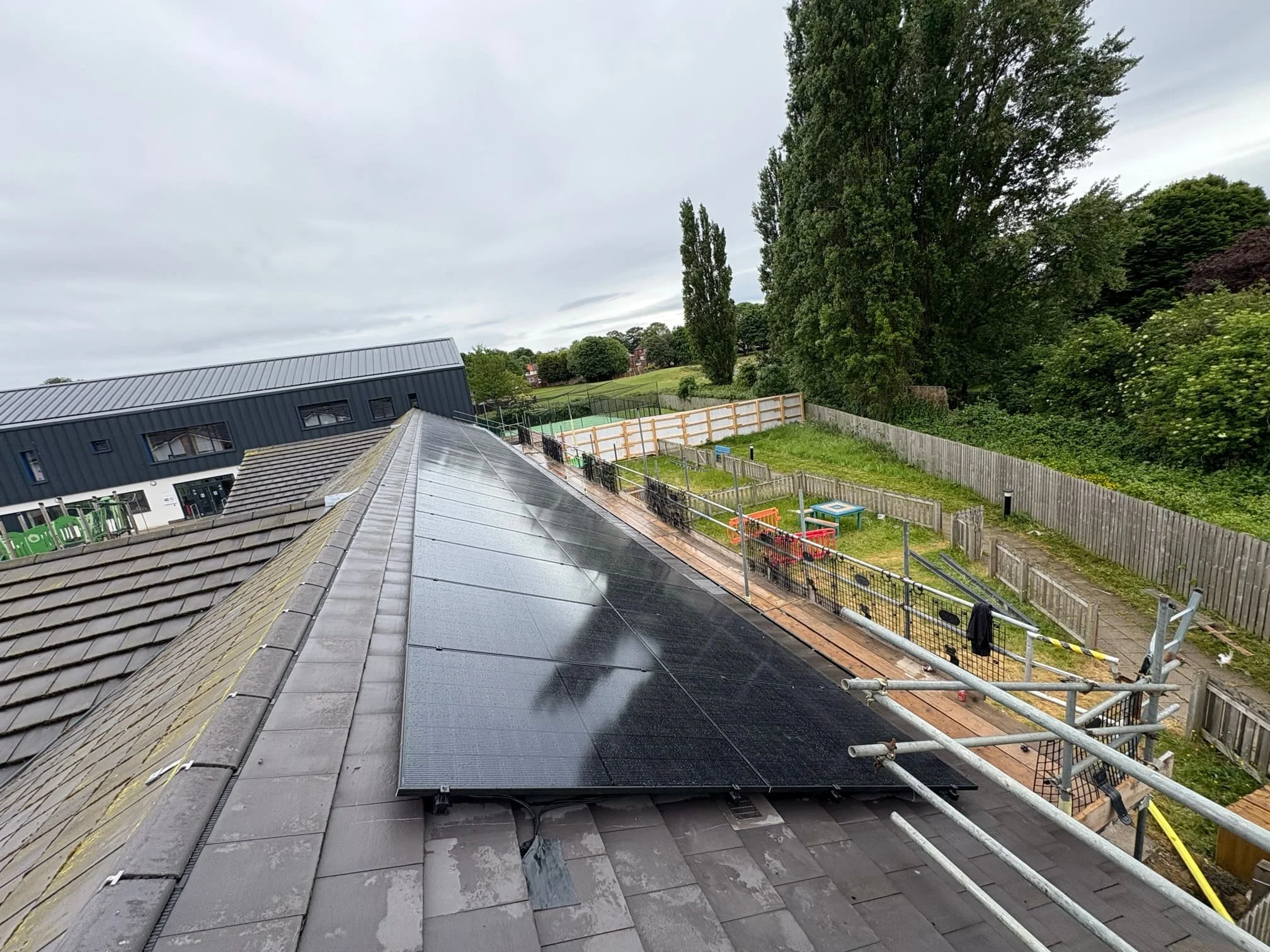
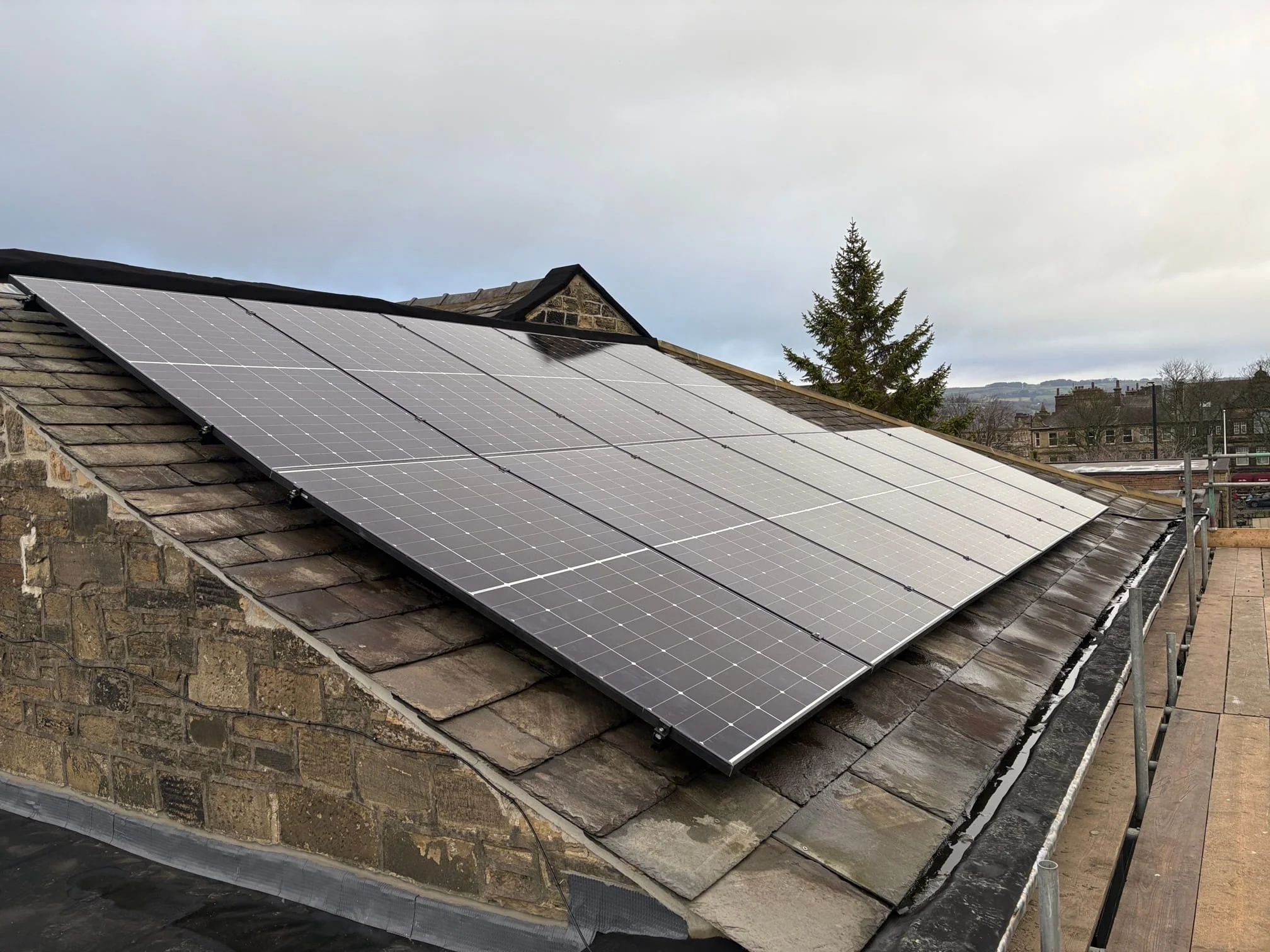
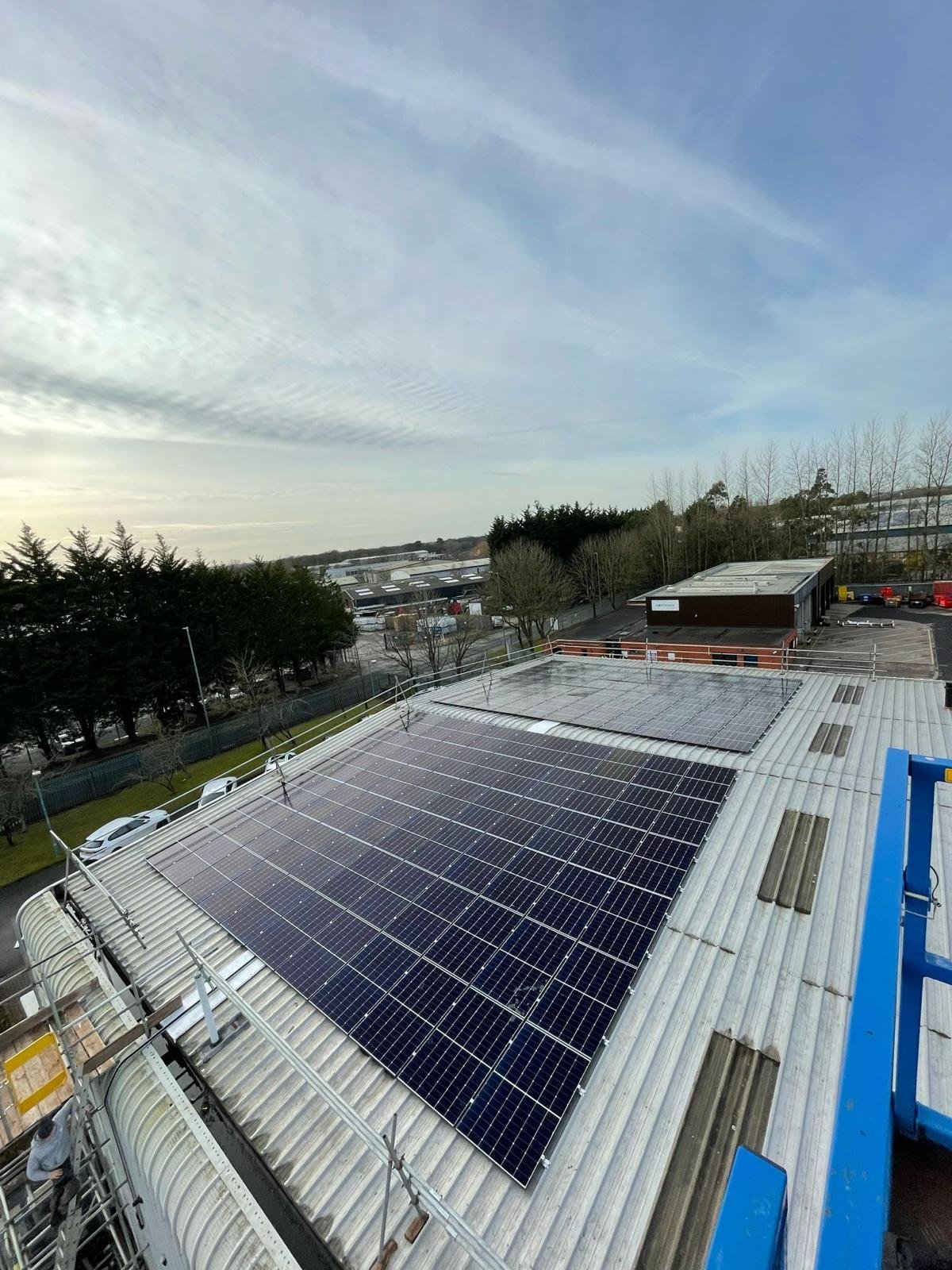
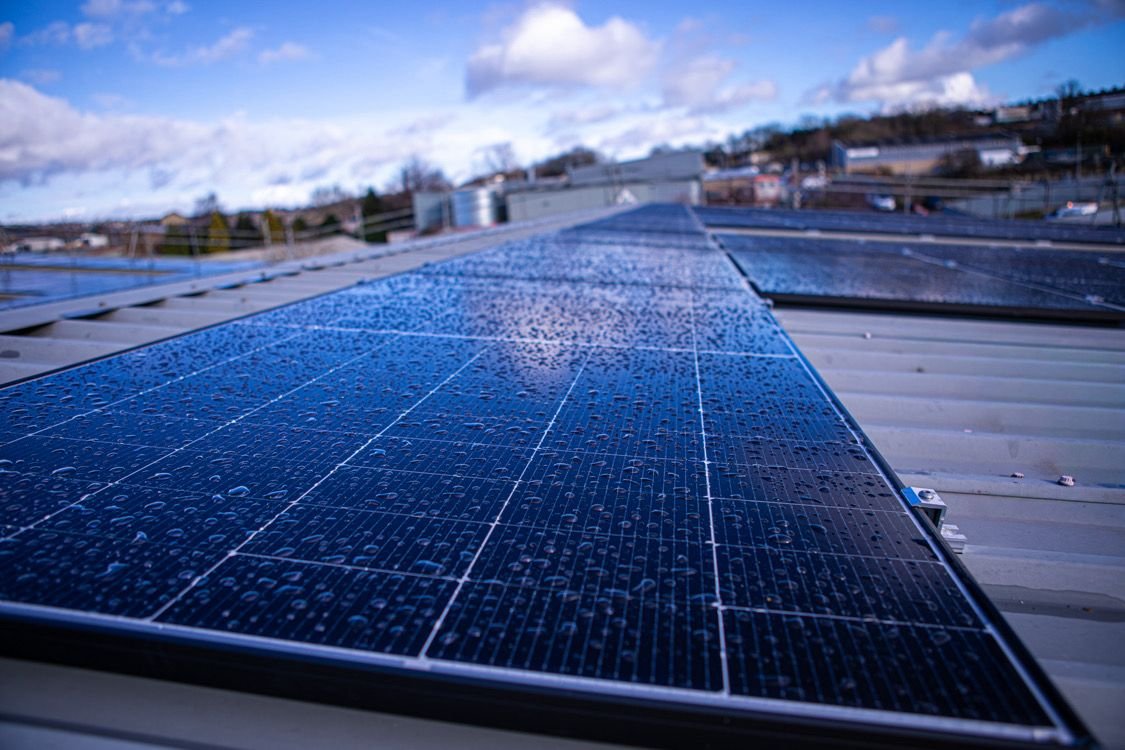
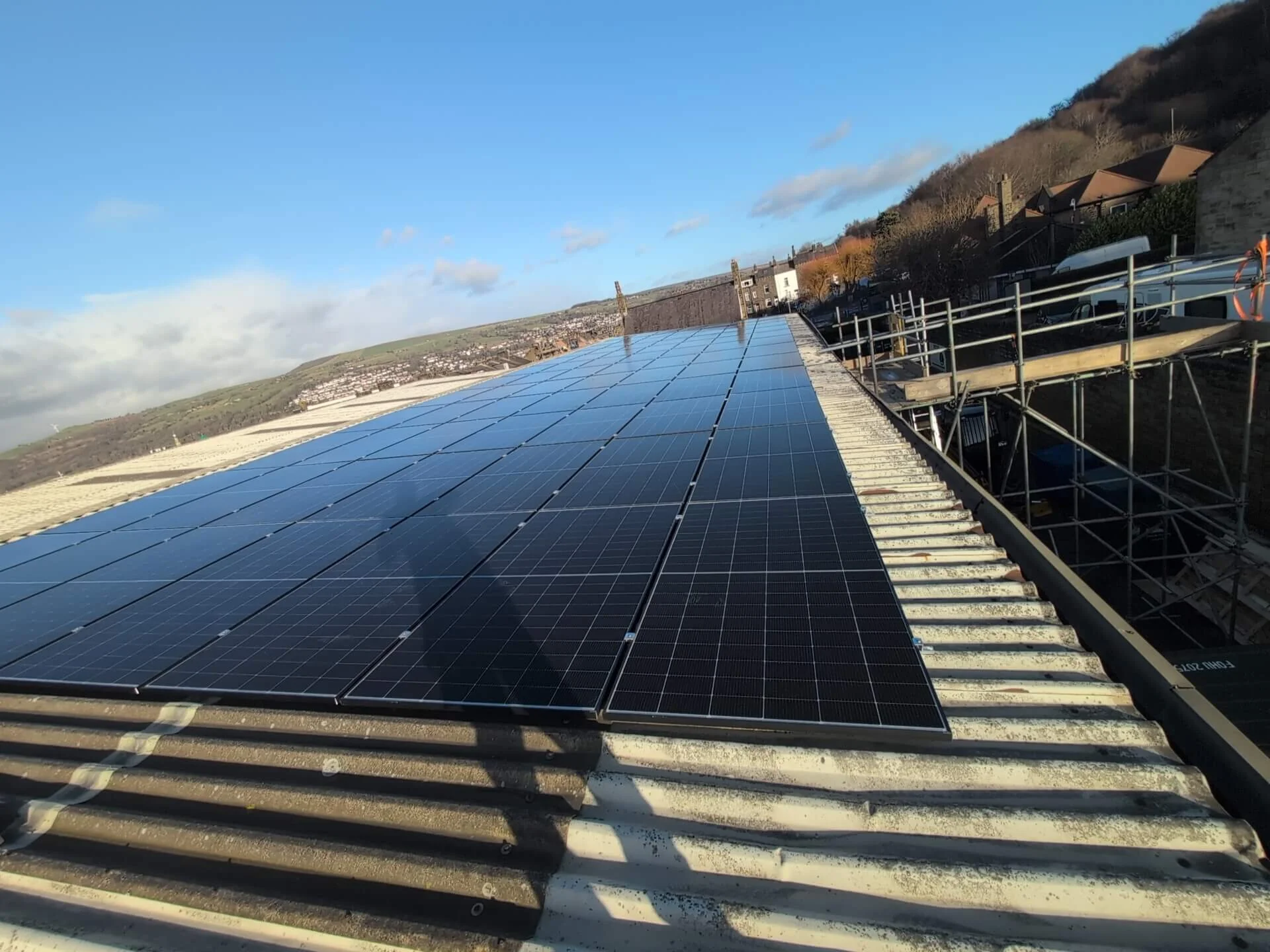
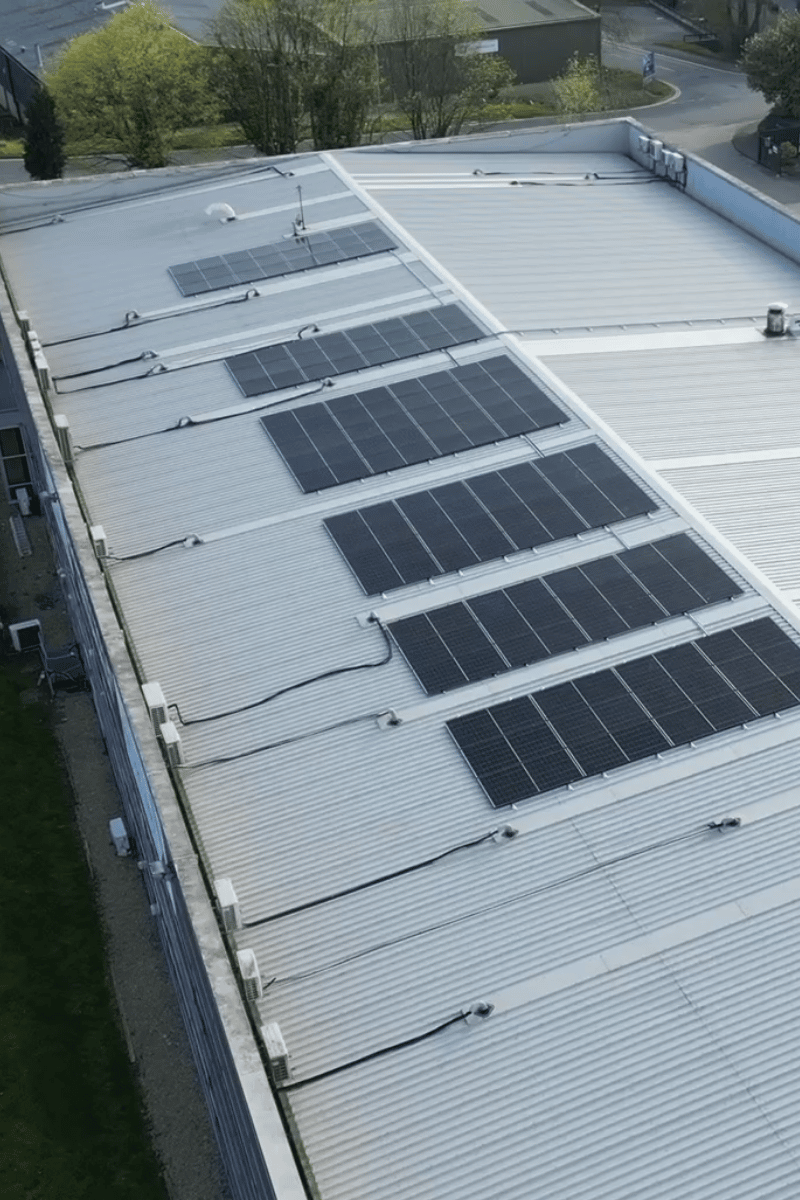
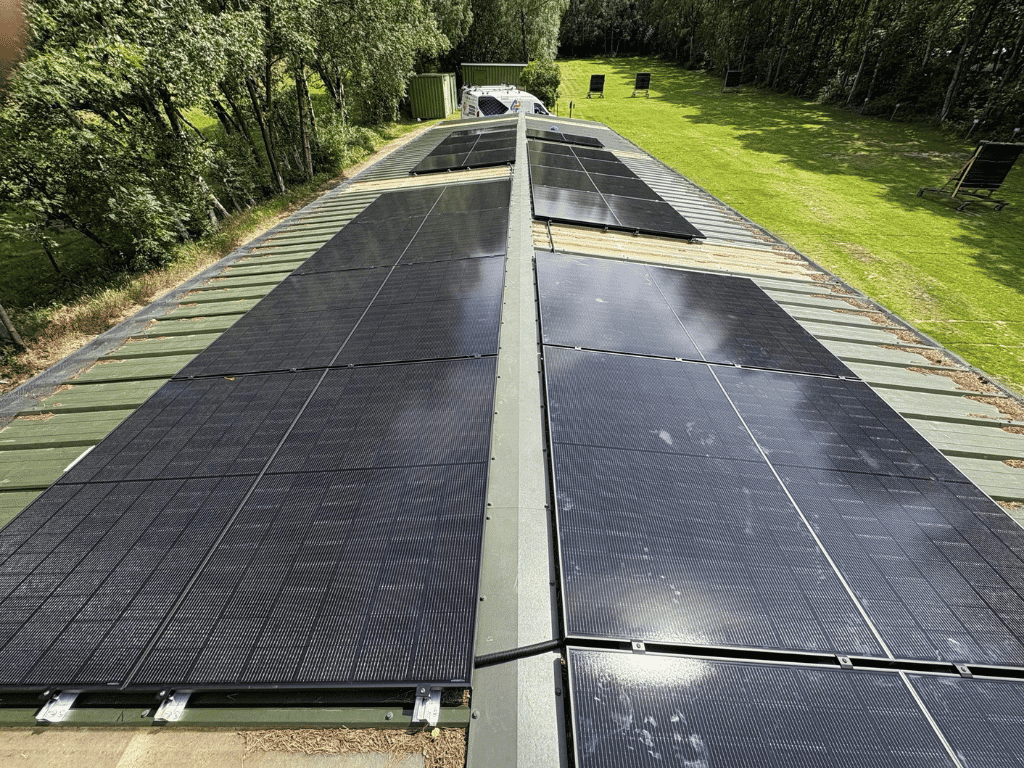
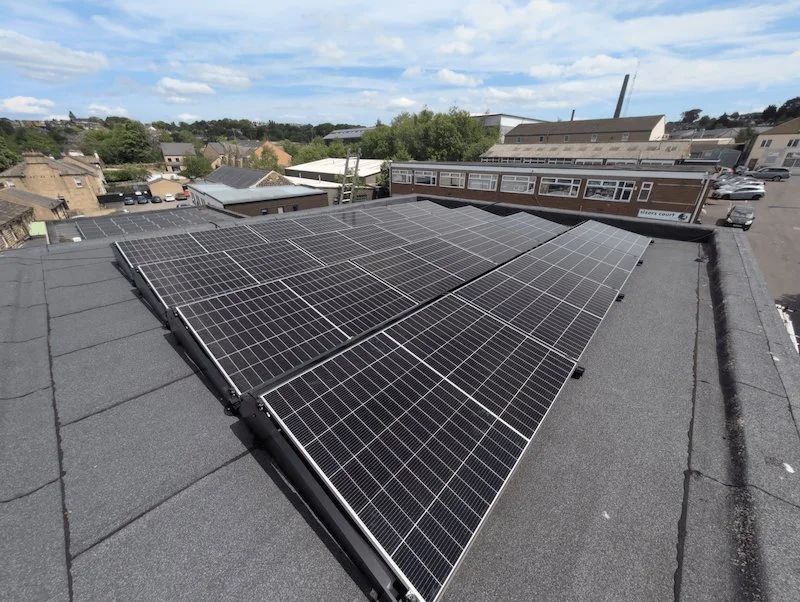
Explore our recent work installing solar panels for offices across Yorkshire & the North. See how solar energy systems are being used in office buildings & blocks to improve energy efficiency and reduce carbon footprint – with clear design, tidy installs, and performance you can track.

FAQs: Solar Panels for Offices
-
Often, yes. Solar panels for offices tend to perform well because office electricity demand is highest during the day, which matches solar power generation.
Key reasons office solar is worth it:
Lower electricity bills: reduce what you buy from the grid during working hours (lighting, HVAC, IT).
Better energy efficiency: a photovoltaic system reduces reliance on grid electricity and supports wider energy efficiency solutions in the building.
Tax advantages (UK): many businesses can claim capital allowances (such as AIA, subject to eligibility/limits) to strengthen the business case.
Supports EPC / MEES planning: solar power installation can contribute to better building performance and long-term compliance strategy.
Sustainability gains: green energy technology that helps reduce environmental impact and carbon footprint, with measurable output for reporting.
-
Yes, office solar panels can cover a significant share of daytime electricity because solar generation peaks around the same time offices consume the most power (typically 9–5). The exact coverage depends on usable roof space, system size, and how power-hungry the building is (HVAC, lighting, IT/server loads), but the principle is the same: the more your demand falls in daylight hours, the more solar can offset.
-
In a multi-tenant office building, solar can benefit both landlords and tenants, depending on how the system is connected and how electricity is metered and billed.
Landlords / managing agents: solar often offsets the landlord supply first (common areas and shared building services), reducing shared running costs and supporting building sustainability targets.
Tenants: tenants can benefit where solar is allocated to a tenant supply or shared via an agreed sub-metering / recharge arrangement, reducing electricity bills during office hours.
Shared benefit: measurable on-site renewable generation that supports ESG reporting and carbon footprint reduction for the building overall.
The key is agreeing upfront which meter(s) the system will feed and how savings will be allocated, so the design, monitoring and billing match the intended outcome.
-
Often not. Many office rooftop solar installations can fall under Permitted Development, but there are exceptions – for example listed buildings, conservation areas, or specific roof/visual constraints. Landlord/managing agent approval may also be required even when formal planning permission isn’t.
We’ll flag what applies during the initial checks so your solar power installation plan is realistic before you commit.
-
Yes – offices can sometimes access funding support, but it isn’t usually one UK-wide grant. Instead, support tends to come through local schemes that open in windows, plus wider business incentives that can improve the numbers.
Common routes include:
Local authority / regional grant programmes (availability varies by area and eligibility)
Capital allowances (such as AIA, subject to eligibility/limits) which can strengthen year-one payback
SEG export payments for surplus electricity where applicable (rates vary by supplier)
In some cases, business rates support for eligible onsite renewables/storage
If you share your postcode and whether the building is owner-occupied or leased, we can advise what information you’ll need and provide a proposal you can use for applications or internal sign-off.
Your Solar Power,
At Your Fingertips
Monitor your energy production, track savings, and see exactly how your system is performing, all in one easy-to-use app. Stay connected to your solar setup wherever you are.
Ready to
Start Saving with Solar?
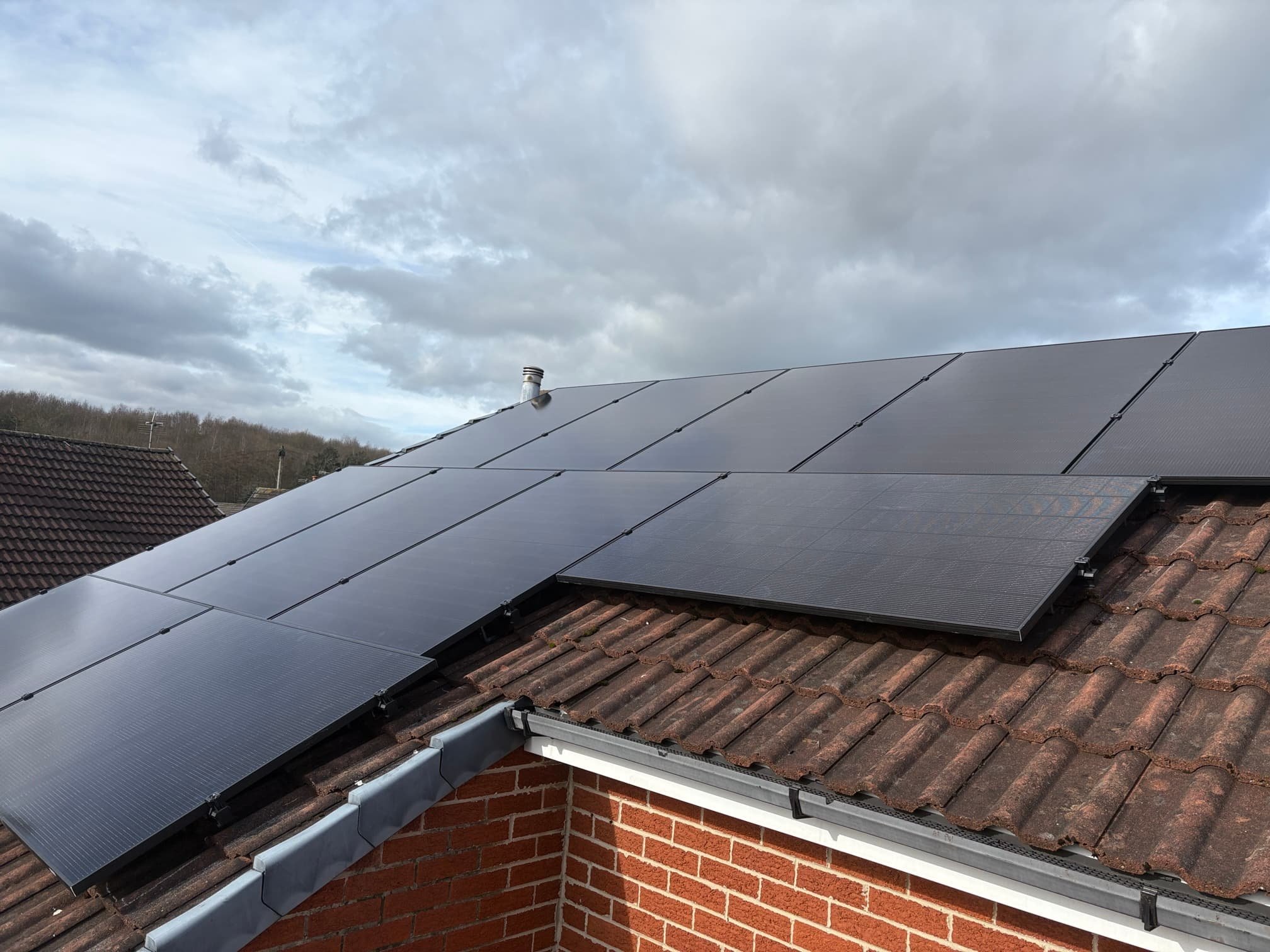
Get a free, no-obligation quote from our MCS-certified team. We’ll design the perfect system for your residential, commercial or community property.