
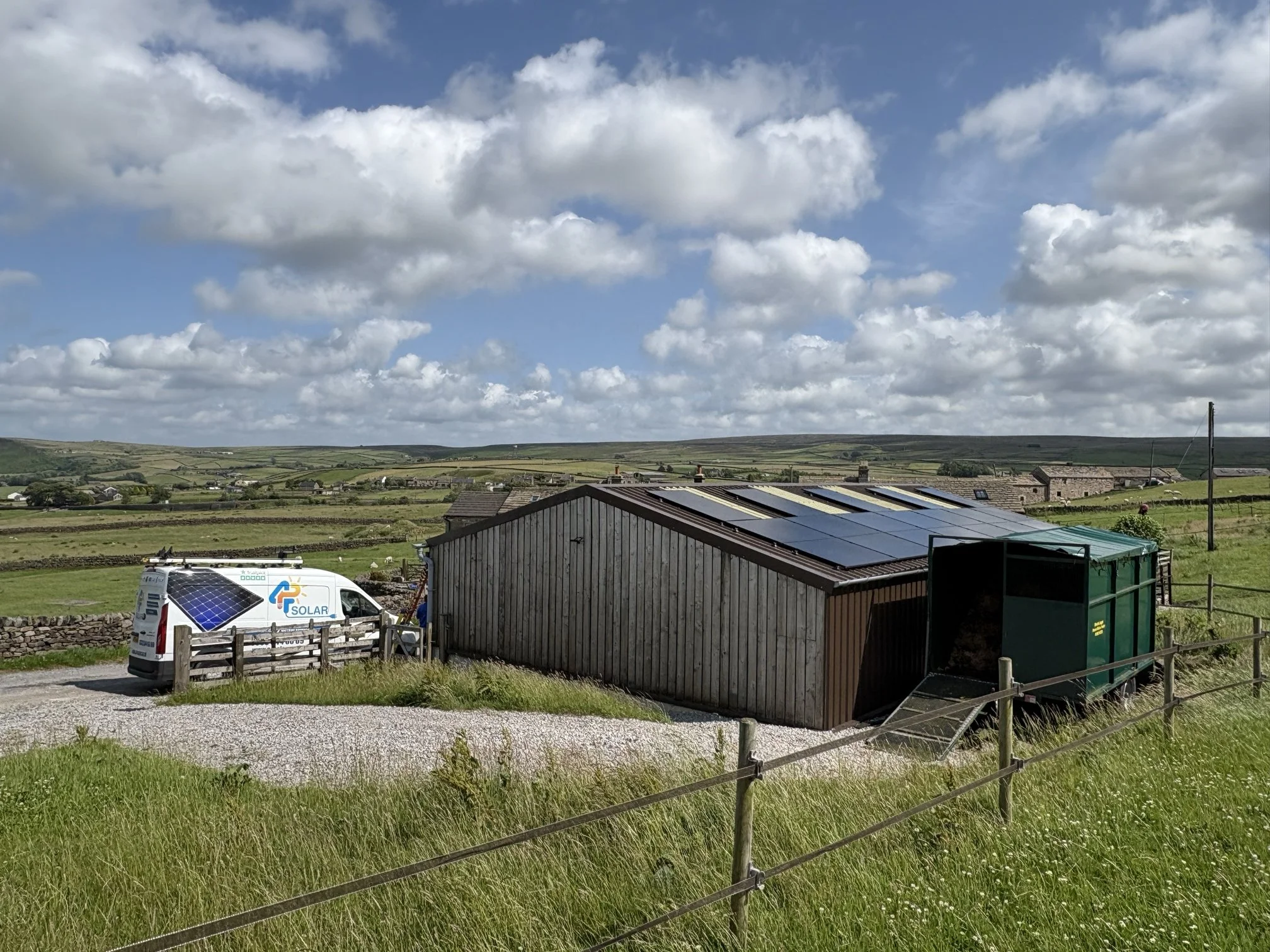
Agricultural Solar Panels
Agricultural Solar Panel Installers Across Yorkshire & the North
Energy costs hit farms hard because the demand isn’t optional – cold storage, milking equipment, ventilation, lighting and water systems still need to run. Agricultural solar panels generate electricity where it’s used, helping reduce reliance on the grid and bring more control to long-term running costs. With the right photovoltaic system in place, farms can cut grid imports, improve energy independence and support sustainable agriculture.
Accredited & Certified






Solar Power for Farms:
What We Check First
Solar panels for farm buildings are often straightforward – big roof areas and consistent loads can make the numbers work well. These checks help confirm what’s realistic for your site and electricity supply. P4 Solar designs and installs solar panels for agriculture across Yorkshire & the North, with recommendations shaped by your roof space, operating schedule and connection limits – plus professional installation, commissioning and aftercare support.
-
Most farm buildings are suitable, but usable space matters more than total roof size. We’ll look at roof type and condition, then map out clear areas around rooflights, vents and access routes so the panel layout is realistic. If roof works are planned soon, it’s usually best to coordinate timing so you’re not reinstalling later.
What helps to check upfront:
Roof type: sheeted metal, fibre cement, or other (affects fixing approach)
Condition/timing: any leaks, planned re-sheeting, or refurb in the next 12–24 months
Obstructions: rooflights, vents, chimneys, PV “no-go” zones, access walkways
Access: where scaffolding/cherry pickers can go and whether livestock areas need excluding
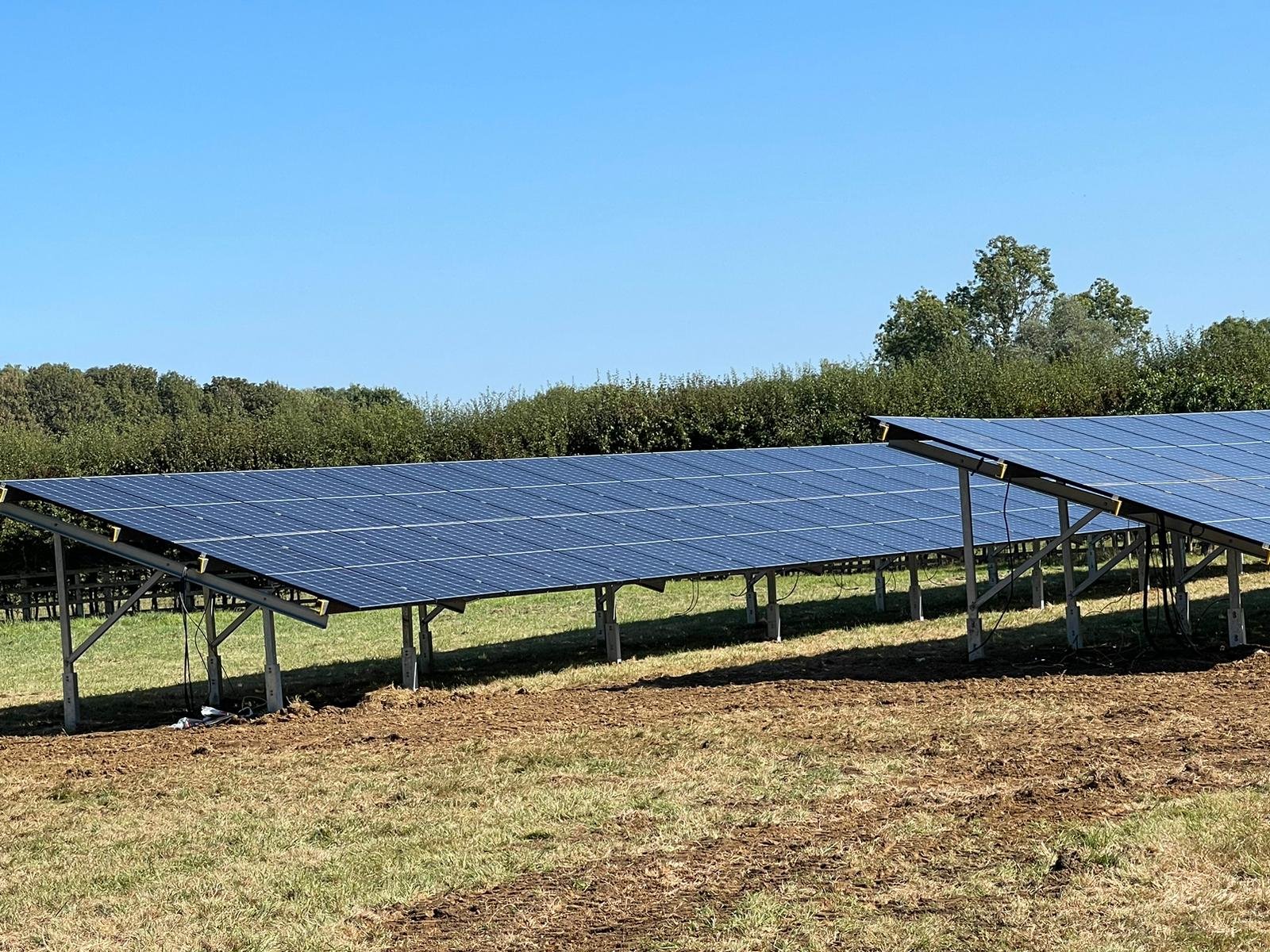
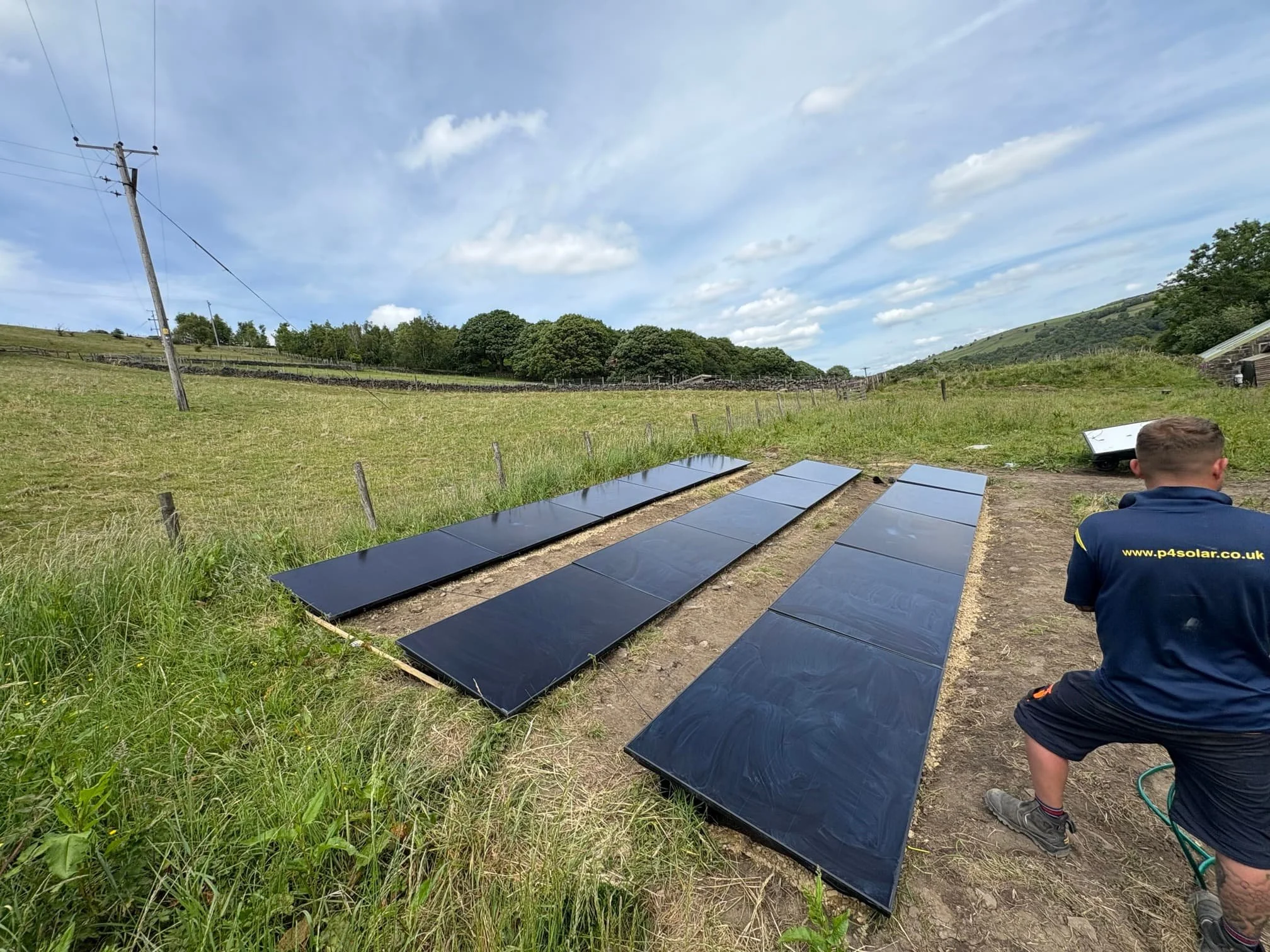
If roof space is limited, unsuitable, or already in use, ground-mounted solar can also be a practical option for farms with available land. This allows for more flexible system sizing and positioning, particularly where larger energy demands are involved. You can find more details on this approach on our ground-mounted solar page.
-
Savings are strongest when solar generation overlaps with your farm’s electricity use. We’ll look at when key loads run – refrigeration/cold storage, milking equipment, ventilation, lighting, workshops, pumps or irrigation, then size the PV system around the demand you reliably have on-site through the day.
What you can pull quickly: 12 months of bills (or supplier portal export). If you have half-hourly data, even a screenshot of the usage profile helps us match the photovoltaic system size to your real operating pattern.
-
Many farms have more than one building, and sometimes more than one supply. The best results usually come from connecting the PV system to the meter that serves the highest, most consistent daytime use (for example dairy, cold storage, workshops or main yard loads), so more solar is used on-site rather than exported.
What helps to confirm upfront:
Which buildings are on which meter/supply (even a quick sketch is fine)
Where the main daytime loads sit (dairy, cold store, sheds, workshop, office)
The practical cable route between buildings (distance, obstacles, where equipment can be housed)
-
On rural farm supplies, grid connection and export limits can cap the size of an agricultural solar PV system, even if you have plenty of roof space. That doesn’t usually stop solar from being viable – it just means the system is sized around what your connection can support and what you can use on-site during the day.
What helps upfront: a recent bill showing MPAN/supply details and any known site capacity notes. We’ll factor grid constraints early so the recommended system size and savings assumptions stay realistic.
Solar Battery Storage for Agricultural Solar Panels
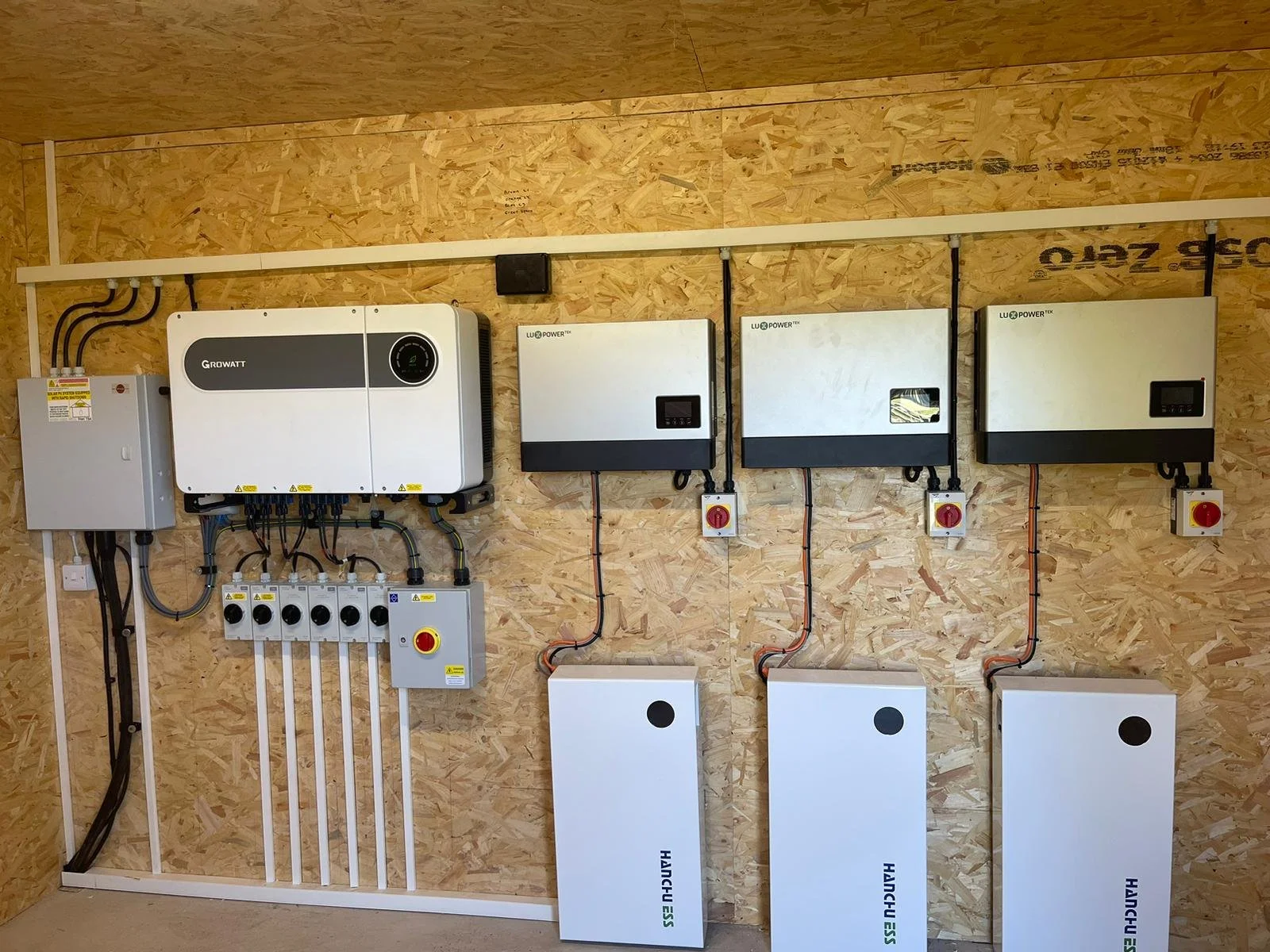
Battery storage is an optional add-on that can increase the value of agricultural solar panels by storing surplus generation so it can be used on-site instead of being exported. For many farms, the best returns come from using as much solar electricity as possible within the business — keeping grid imports down and making better use of available roof space. Storage also supports a phased approach, where you install solar PV now and add batteries later as farm infrastructure expands.
-
Greater cost savings: increase on-site use of solar generation and reduce what you buy from the grid.
More control over where the energy goes: keep more electricity on the farm rather than relying on export.
Supports farm infrastructure upgrades: useful where you’re adding new electrical loads over time (workshops, refrigeration, processing, EVs/plant charging).
Long-term investment: a flexible upgrade that can be sized to your site and expanded later if needed.
If you export surplus electricity, you may also be able to receive payments through a Smart Export Guarantee (SEG) tariff (rates vary by supplier). We’ll advise whether storage improves the overall return based on your site and connection limits.


Our Process: Agricultural Solar Panel Installers
STEP 1
Farm Site Survey & Feasibility Check
We survey your farm buildings and roof space, then map where electricity is actually used and metered across the site. This keeps the solar setup focused on the supply that delivers the strongest on-site savings.
STEP 2
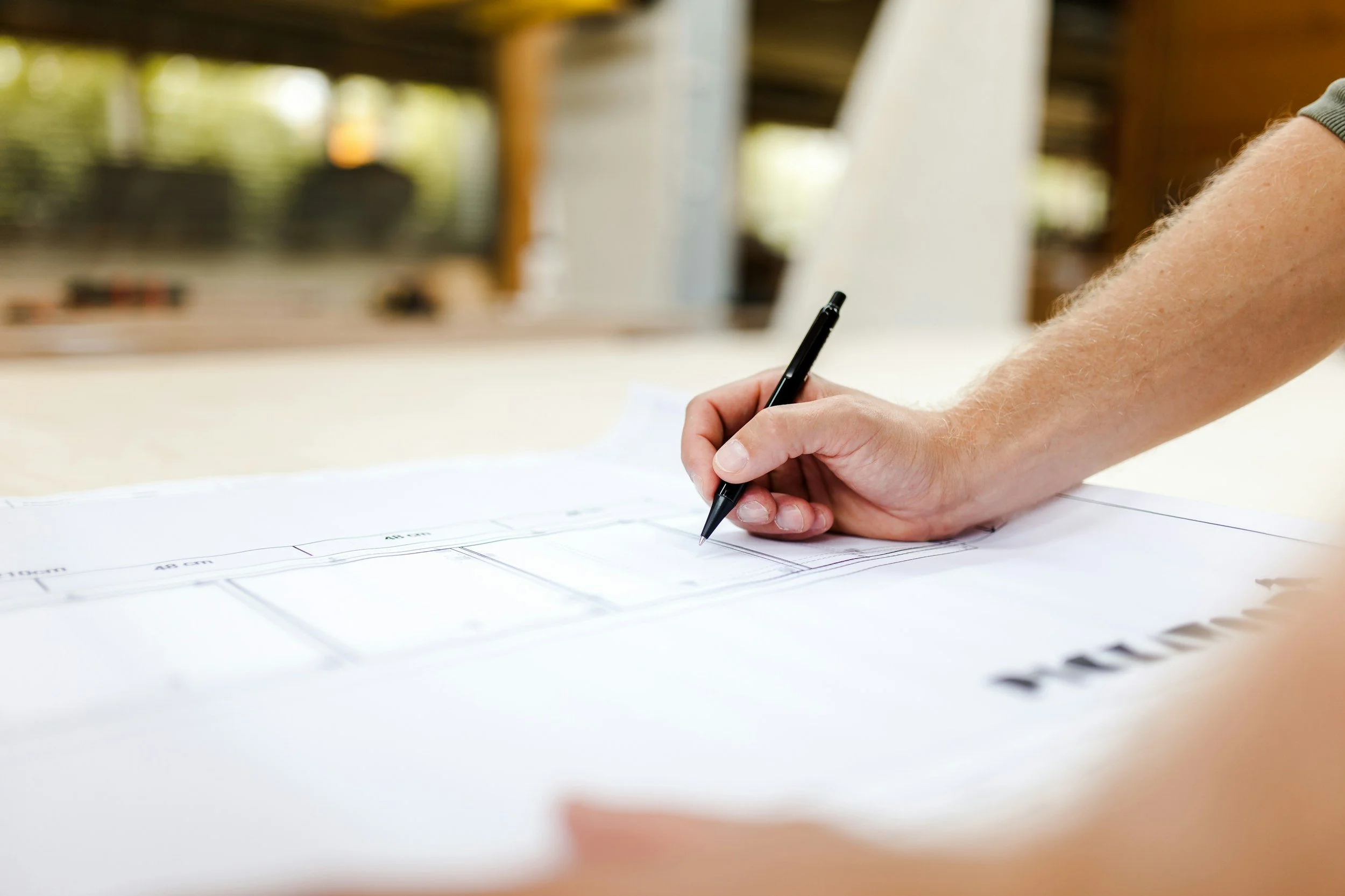
Photovoltaic System Design & Proposal
Next, we design a photovoltaic system around your site – layout, inverter approach, and battery storage options where they improve outcomes. You’ll receive a clear proposal with expected power generation, savings assumptions and an indicative install plan.

STEP 3
Power Grid Connection & Export Checks
On rural sites, grid connection/export limits (including any DNO requirements) can shape the final system size. We factor this in early, then plan delivery around farm operations, access routes and working zones.
STEP 4
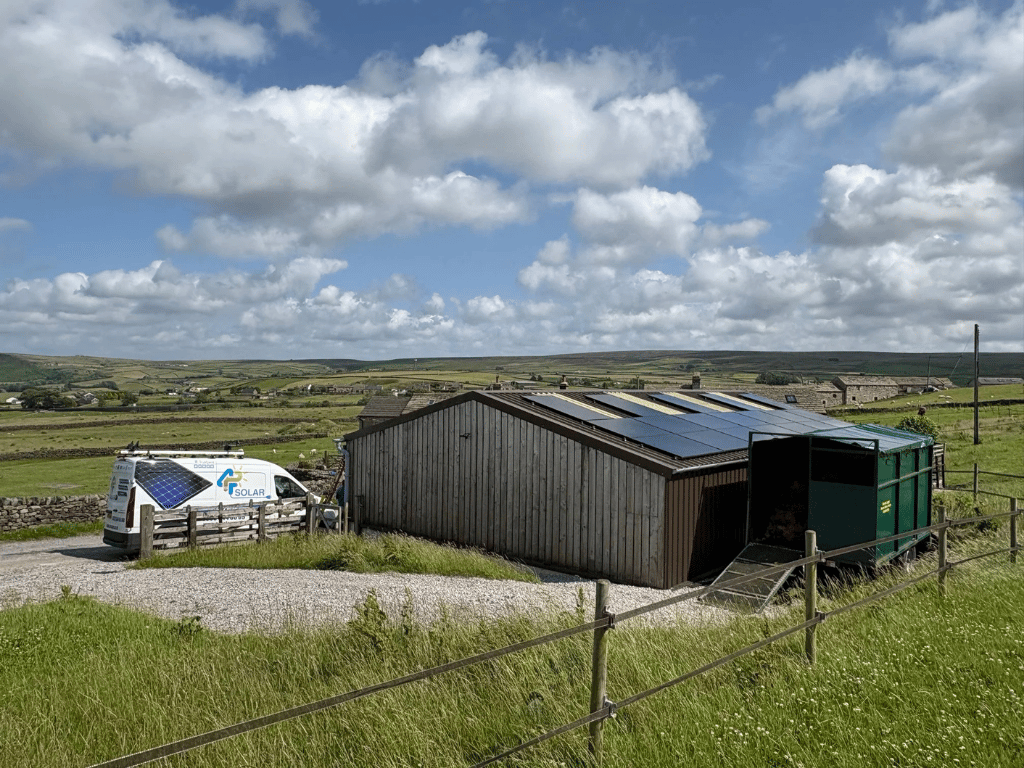
Professional Solar Power Installation
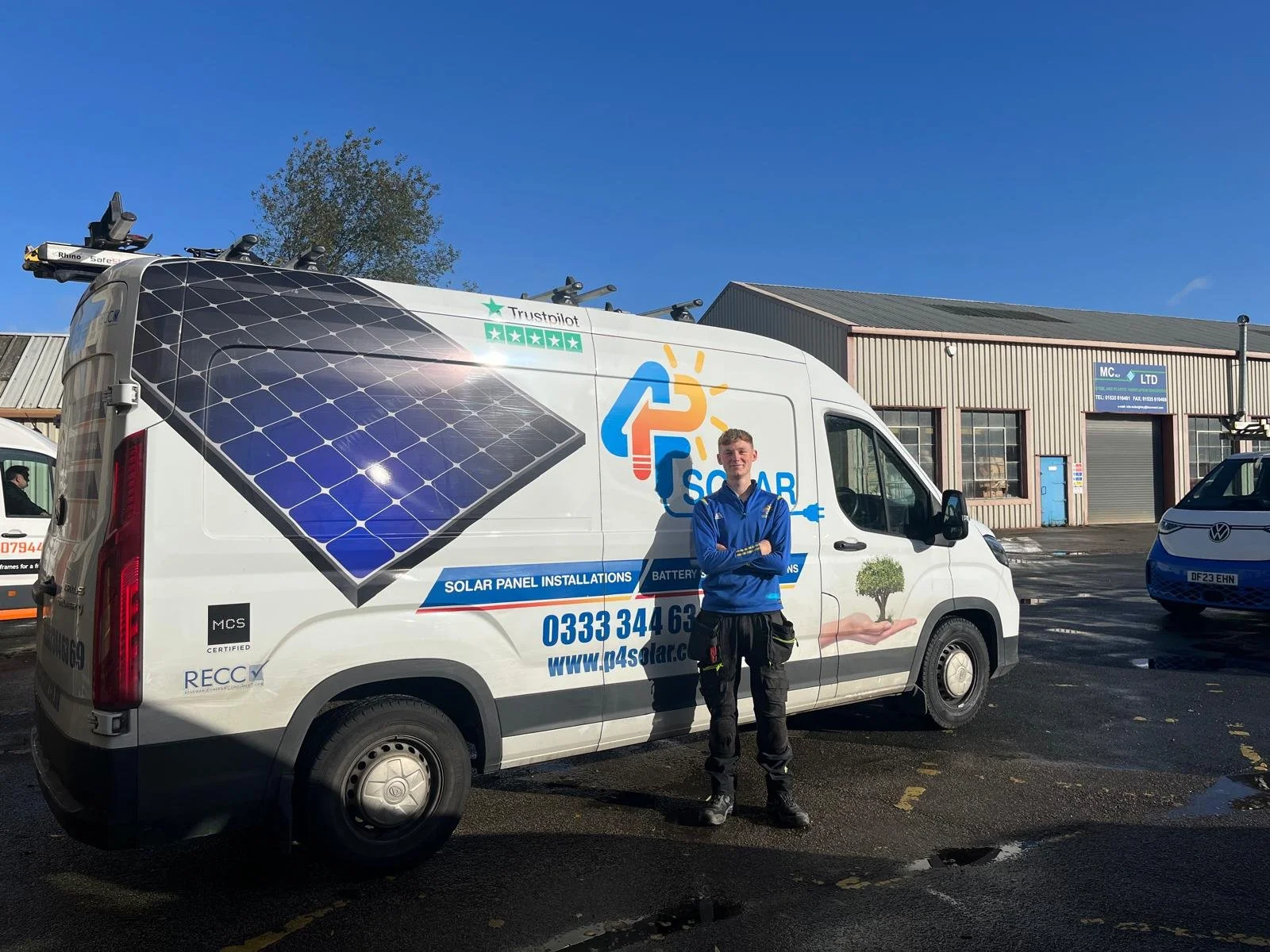
Our in-house, MCS-certified agricultural solar pv installers fit everything safely and efficiently. We plan access, working zones and deliveries to keep disruption low around livestock areas, yards and day-to-day activity.

STEP 5
Commissioning, Monitoring & Practical Handover
We commission the solar energy system, set up monitoring, and provide clear handover documentation so you can track output and farm efficiency improvements over time.

STEP 6
Aftercare, Maintenance & Future Upgrades
After switch-on, we provide ongoing support, including practical guidance on monitoring checks and maintenance to protect long-term performance.
Agricultural Solar Projects in Yorkshire & the North
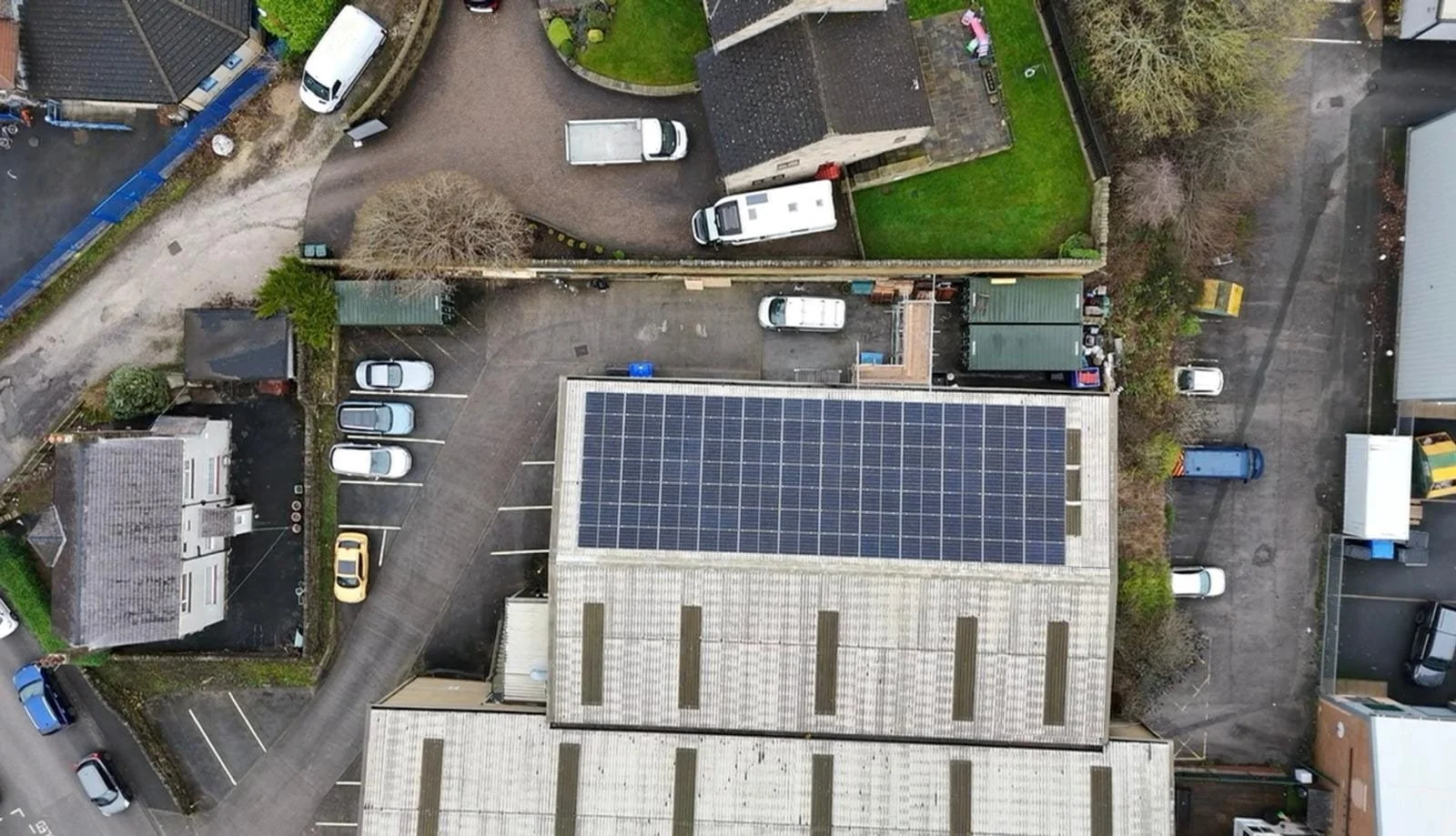
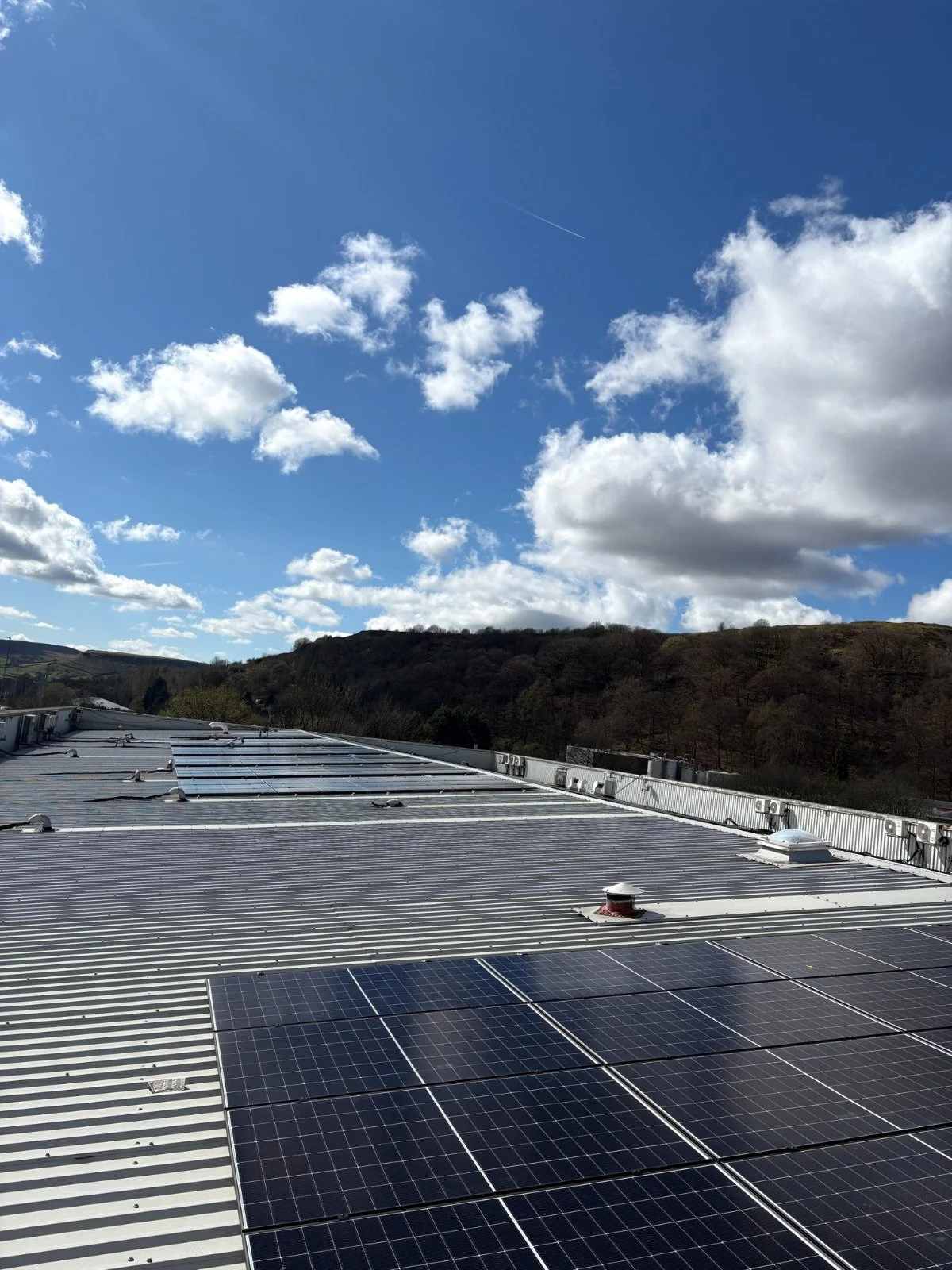
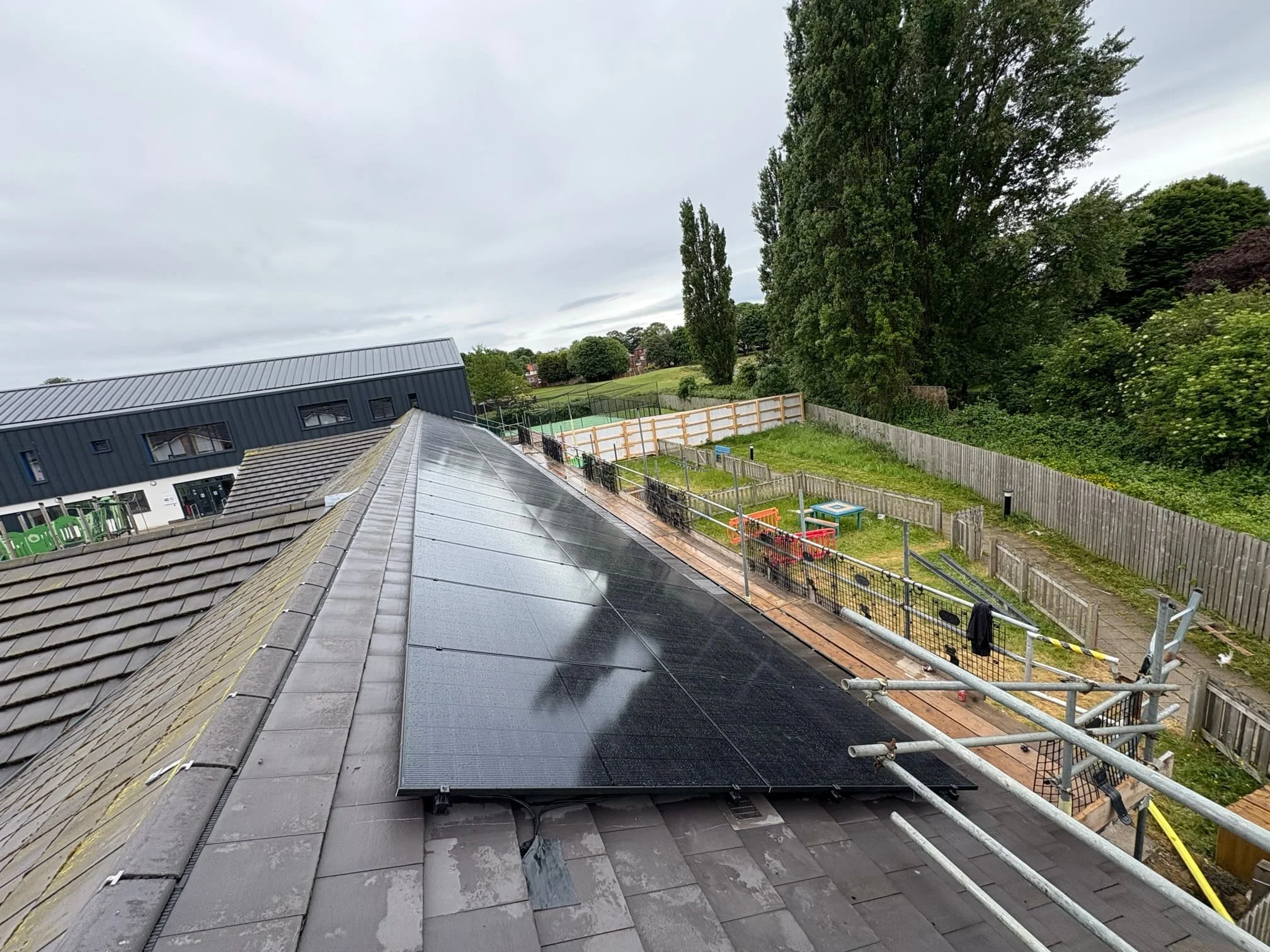
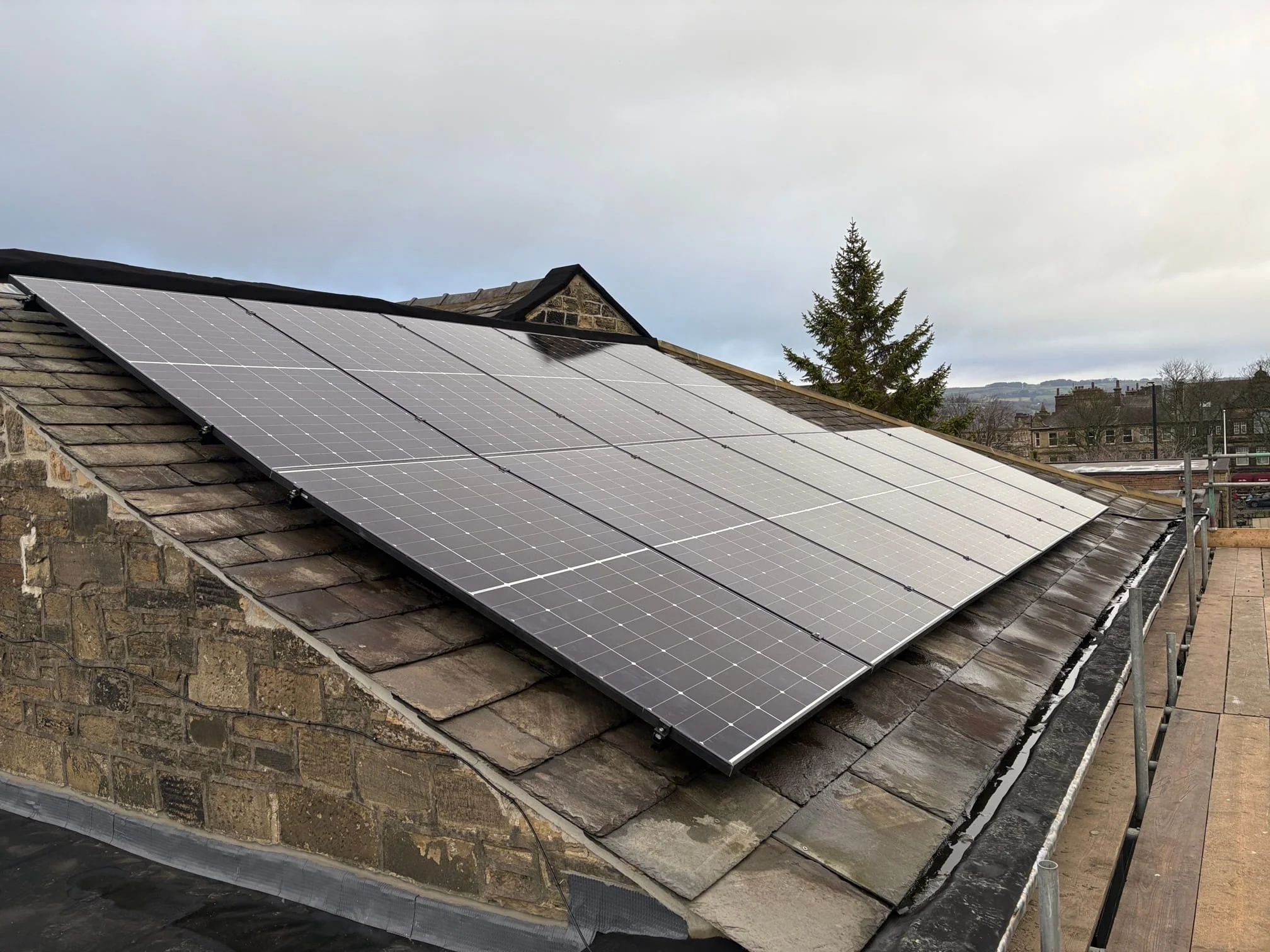
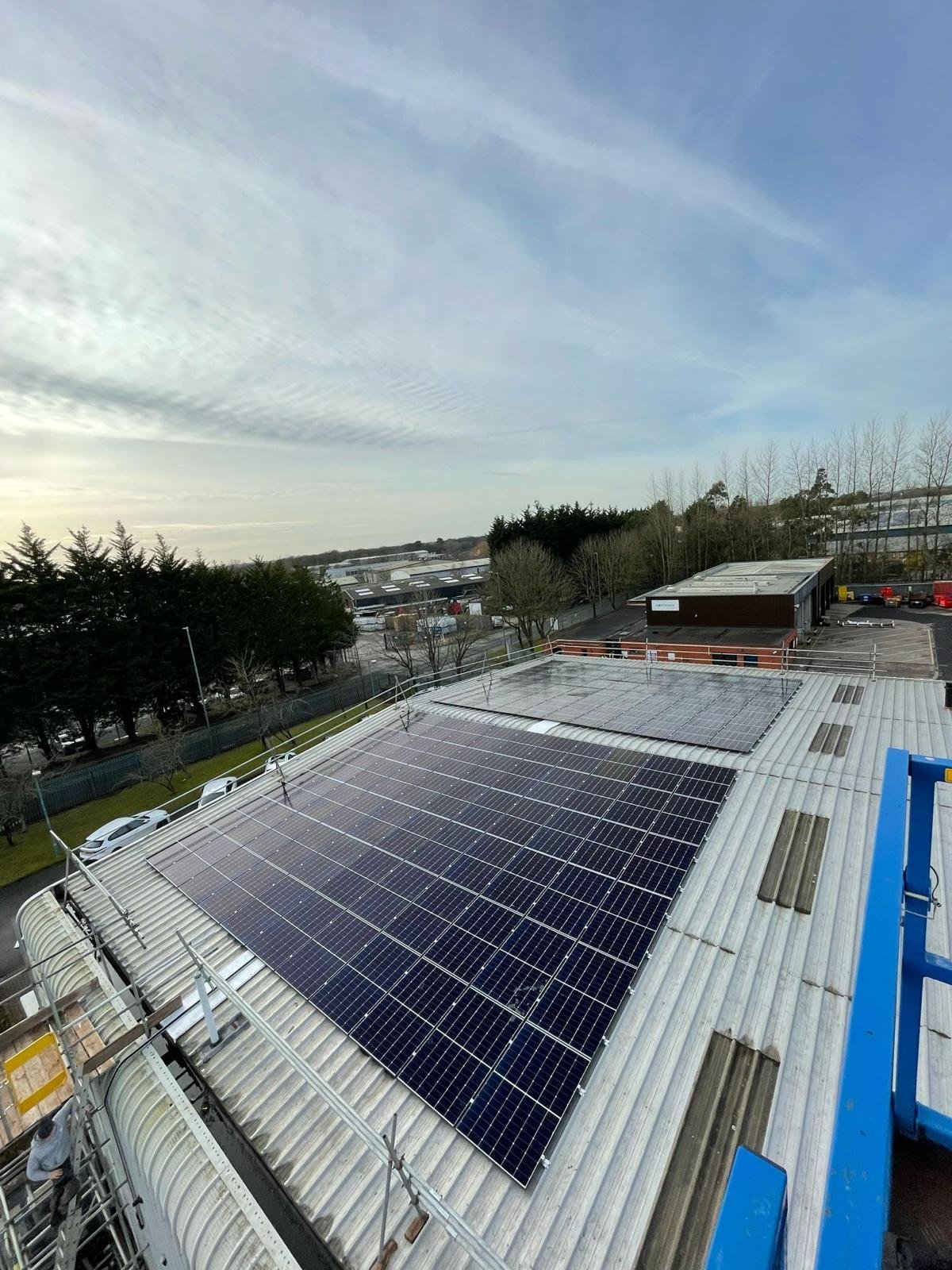
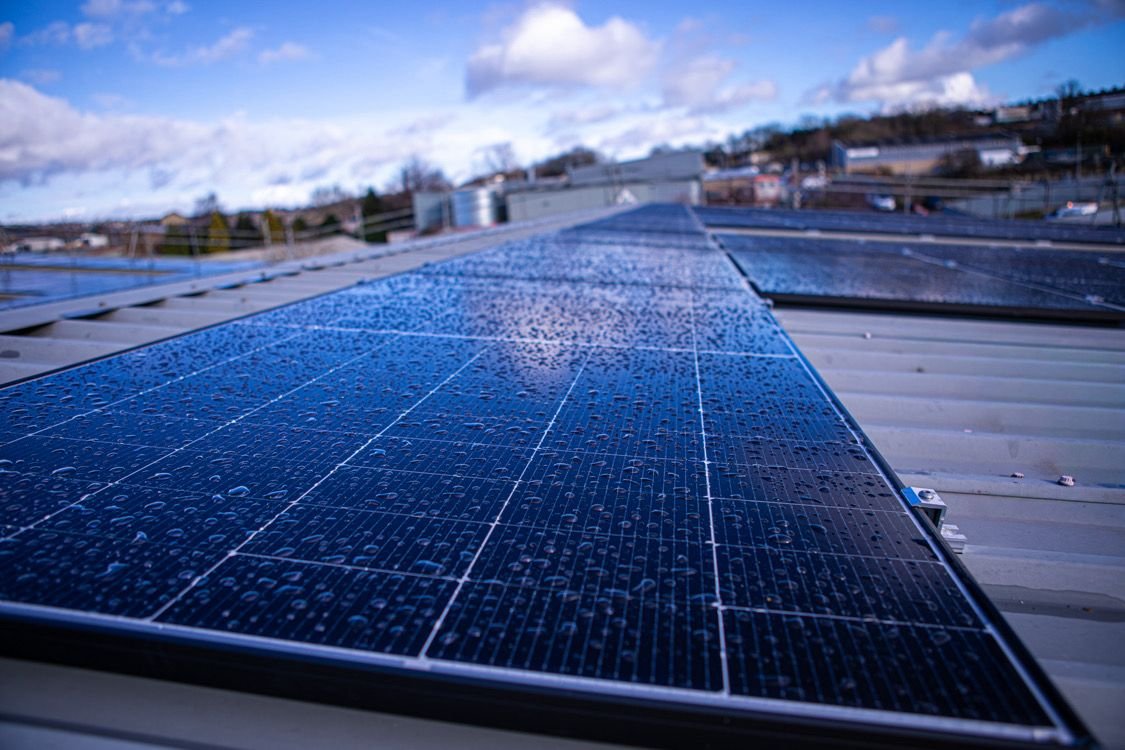
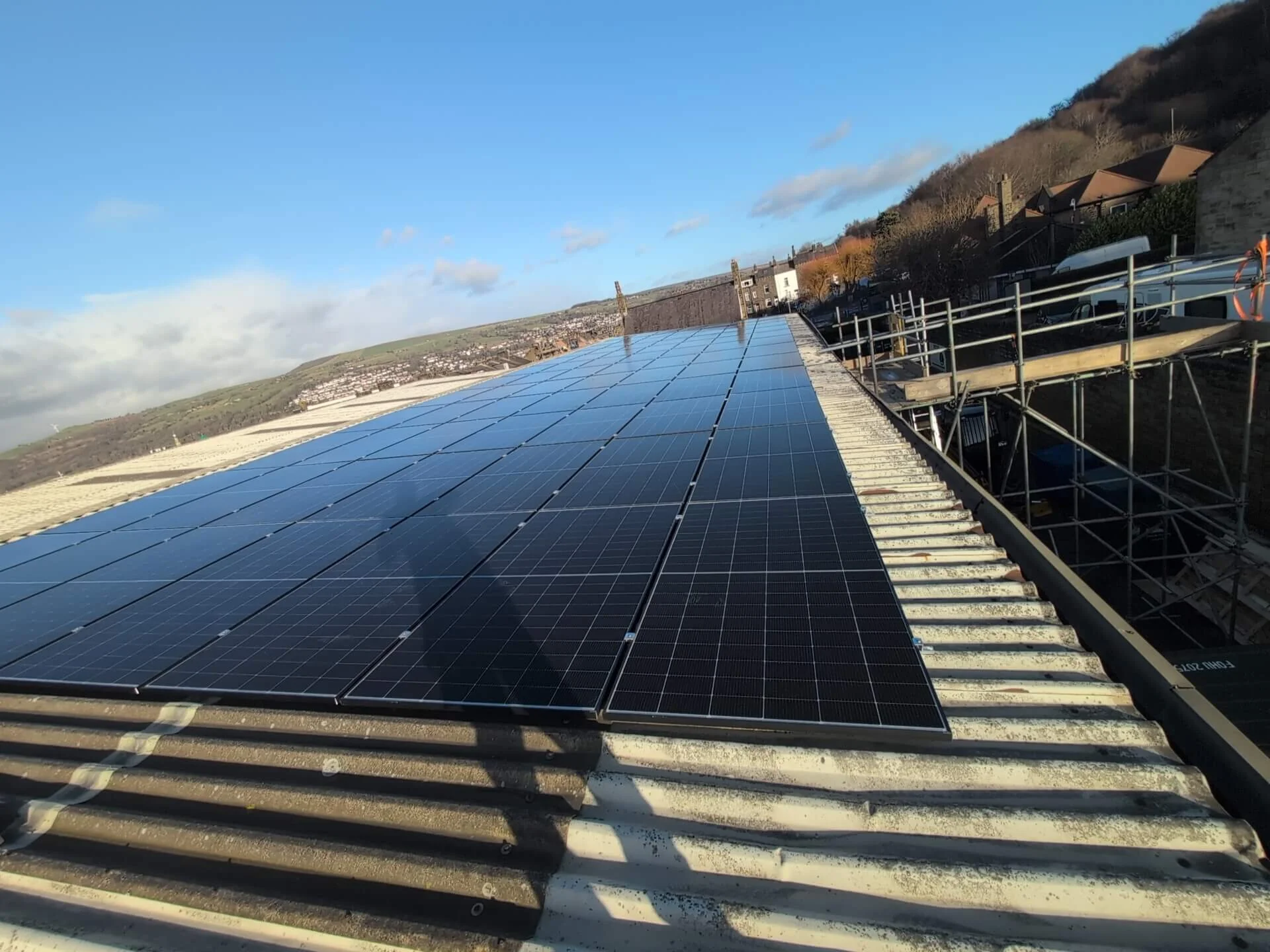
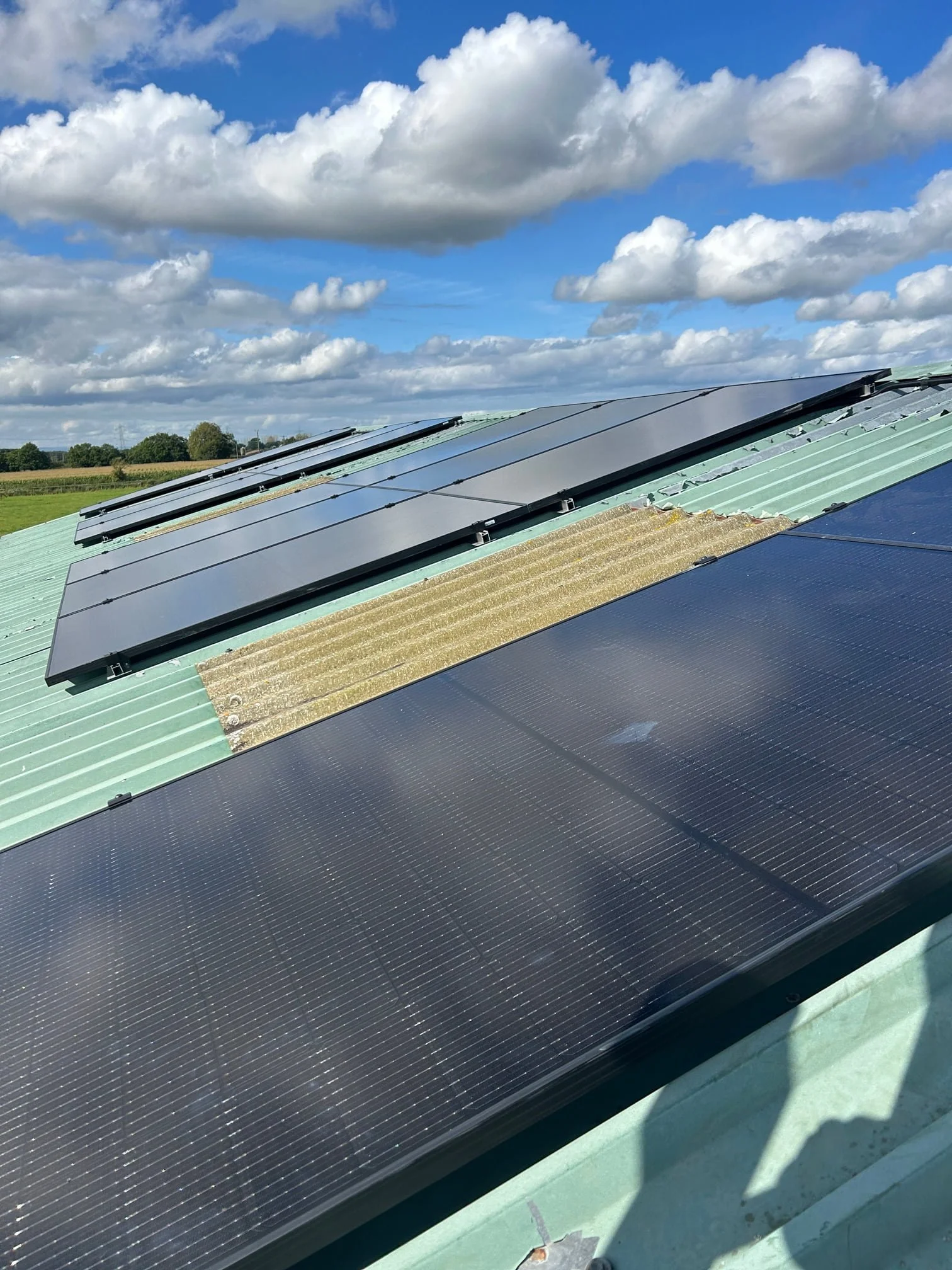
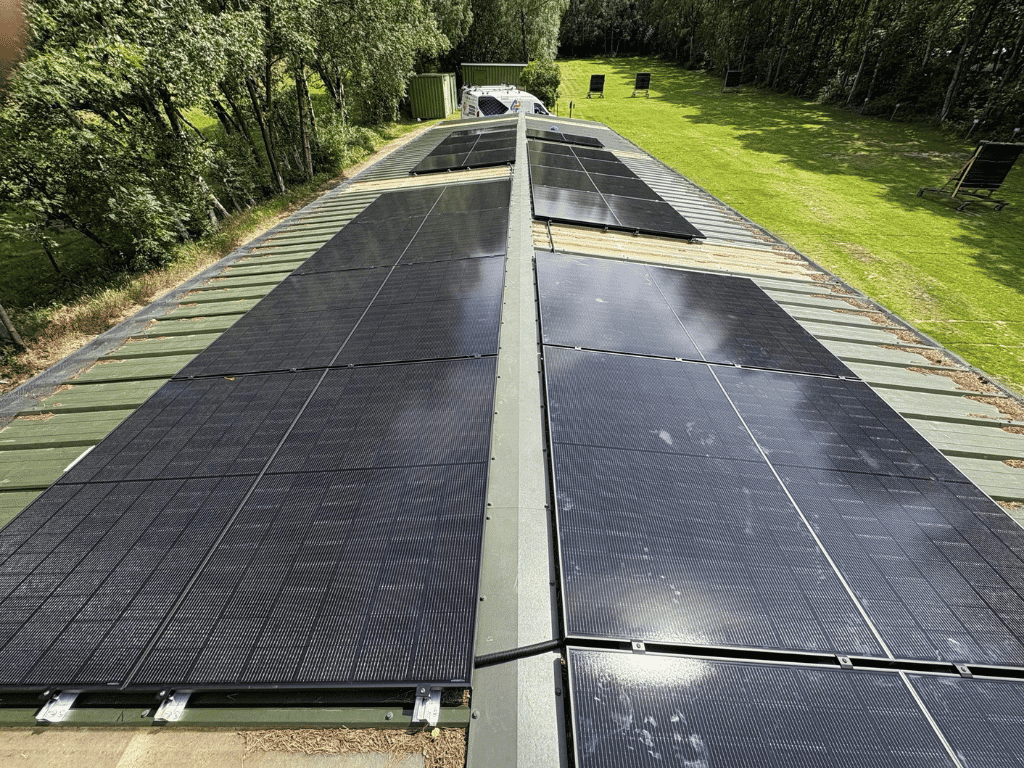
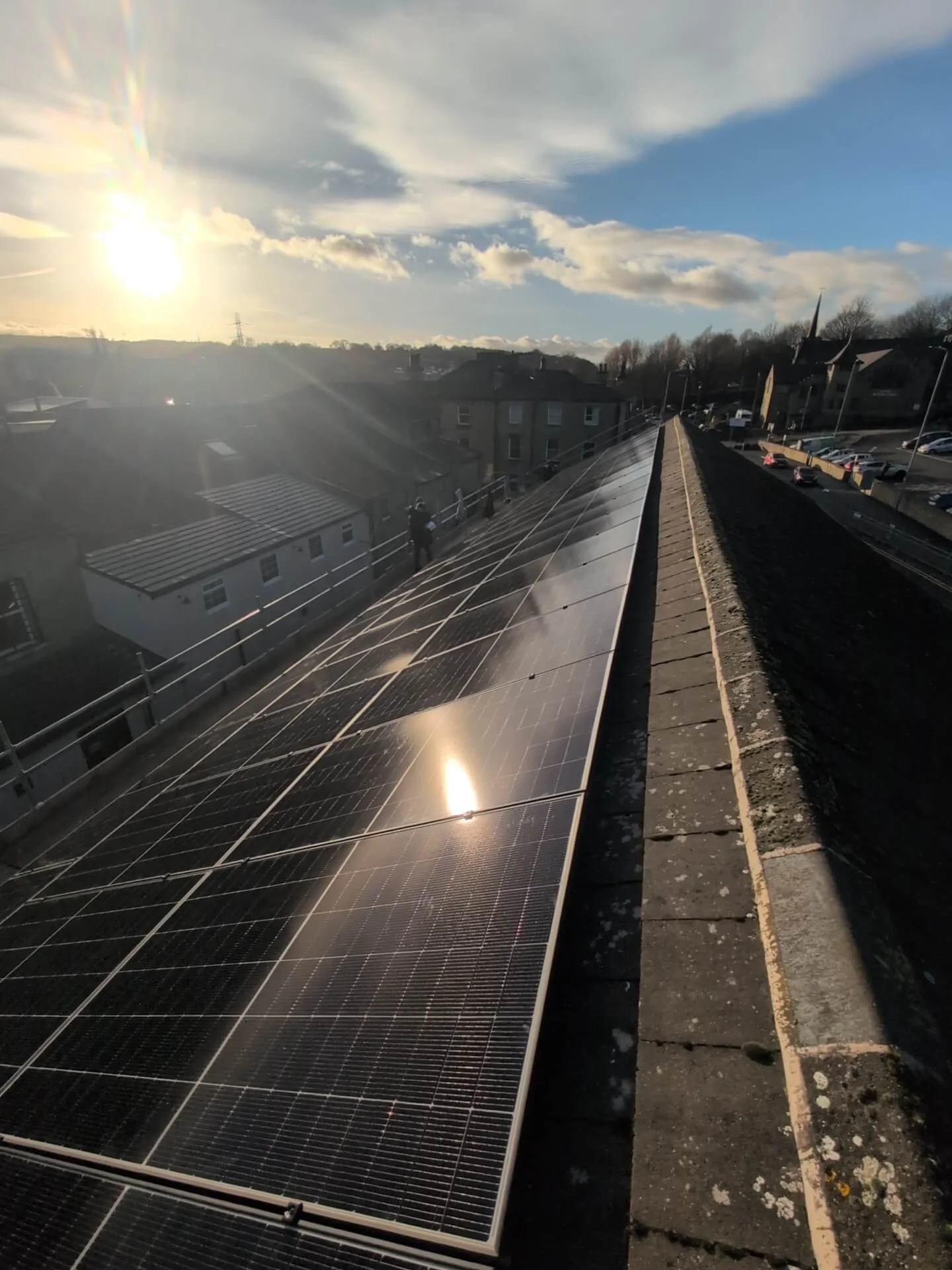
See examples of solar power for farms in practice – from roof-mounted PV on barns and sheds to multi-building farm sites. These projects show typical system design decisions, expected power generation, and how installs are planned to keep disruption low while improving farm efficiency and energy independence.

FAQs: Agricultural Solar Panels
-
Often, yes. Solar panels for agriculture can be a strong long-term investment for farms with usable roof space and meaningful electricity demand.
Key benefits of agricultural solar panels include:
Reduced operating costs: generate solar energy on-site to cut grid imports for energy-intensive farm loads (e.g., refrigeration/cold storage, dairy equipment, ventilation, lighting, workshops, pumps/irrigation).
Better return from existing assets: solar panels for farm buildings make productive use of barns, sheds and outbuildings without changing day-to-day operations.
Tax advantages: many farms can claim capital allowances (such as AIA, subject to eligibility/limits) to improve the year-one business case.
Farm sustainability: lower environmental impact through measurable renewable energy generation and reduced carbon footprint.
Greater energy independence: less reliance on grid electricity and improved long-term cost control as farm infrastructure develops.
A site survey then confirms the best-fit system size based on roof suitability and any grid connection/export limits.
-
Often, yes. When a farm has decent roof space and consistent daytime demand, solar power for farms can meet a big chunk (and sometimes the majority) of electricity used during daylight hours. That’s because the farm loads that typically run through the day (cold storage/refrigeration, dairy equipment, ventilation, lighting, workshops, pumps/irrigation) overlap well with when a photovoltaic system generates the most.
It won’t usually cover every unit of electricity a farm uses across the whole year on solar alone, as night-time and peak periods still draw from the grid. However, when combined with battery storage, more of that daytime generation can be stored and used later, significantly increasing overall coverage and reducing reliance on grid electricity. We’ll size the system around your real usage patterns, storage potential, and any connection/export limits so expectations are clear from the outset.
-
Often, yes – but only if the roof is suitable and safe to work on. Older farm roofs can be viable if the structure is sound, the roof covering is in good enough condition, and there’s a workable fixing method.
What usually matters on older farm buildings:
Roof condition: leaks, corrosion, degraded sheets, or signs the roof is nearing end-of-life.
Material/type: influences fixings and safety approach (e.g., different treatment for sheeted roofs).
Rooflights/obstructions: reduce usable space and affect layout.
Planned roof works: if re-sheeting/refurb is likely soon, it’s often best to coordinate timing so you don’t remove/reinstall panels later.
Asbestos: doesn’t automatically rule solar out, but it can affect method, timing and controls.
A site survey confirms suitability and the most sensible approach for timing and design.
-
Often not. Many rooftop solar panels for agricultural buildings can fall under Permitted Development, but there are exceptions.
Planning permission (or additional constraints) may apply if:
The building is listed or in a conservation area.
There are specific visual/height constraints or local planning conditions.
The system is ground-mounted (these typically follow a different planning route than rooftop installations).
Even where planning permission isn’t required, we’ll confirm practical constraints (roof condition, access and safety zones) and make sure the right approvals are in place before installation.
-
There isn’t one single UK-wide grant that’s always open for solar panels for farms in the UK. Funding tends to be scheme-based and time-limited, so availability depends on location, business type and eligibility.
Common routes farms use:
Local/regional schemes (when open) for energy efficiency or renewable upgrades.
Tax treatment/capital allowances (e.g., AIA, subject to eligibility/limits) which can improve the year-one business case.
SEG export payments for surplus electricity where applicable (rates vary by supplier), usually secondary to on-site use.
If you share your postcode and a short overview of the site (building type + rough usage), we can advise what info is typically needed and provide a proposal you can use for applications or internal approval.
-
Farm environments can increase the chance of build-up (dust, debris, bird activity), so cleaning is sometimes needed more than on some urban roofs. The key is not cleaning on a schedule, but cleaning when performance evidence suggests it’s worthwhile.
Best practice approach:
Use monitoring to spot abnormal drops in output.
Do periodic visual checks (especially after harvest periods, storms, or long dry spells).
Clean only when there’s clear build-up affecting generation (rather than routine cleaning that doesn’t move the needle).
In most cases, monitoring + occasional inspections is enough to protect long-term performance and keep maintenance sensible.
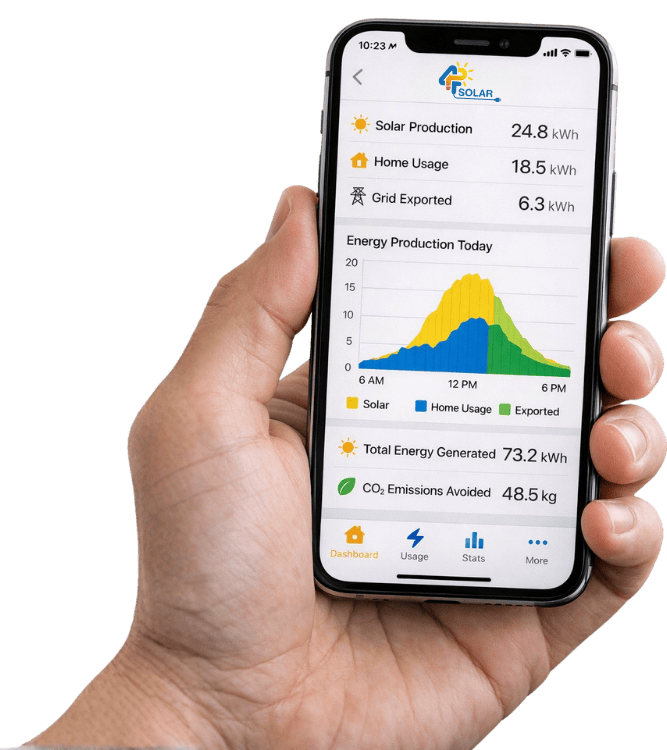
Your Solar Power,
At Your Fingertips
Monitor your energy production, track savings, and see exactly how your system is performing, all in one easy-to-use app. Stay connected to your solar setup wherever you are.
Ready to
Start Saving with Solar?
Get a free, no-obligation quote from our MCS-certified team. We’ll design the perfect system for your residential, commercial or community property.