
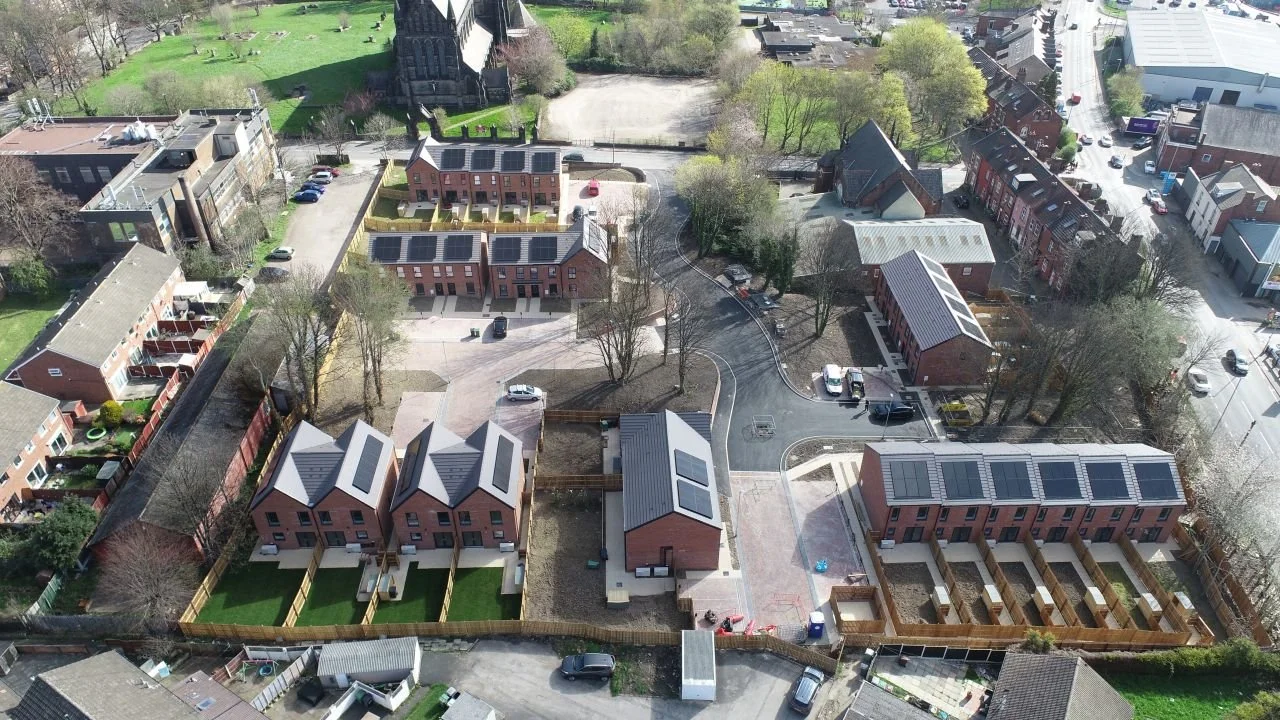
New Build Solar Panel Installers
Solar Panels for Developers across Yorkshire & the UK
Property developers are under increasing pressure to deliver energy efficiency upgrades and support net zero buildings, without adding risk to programme or budget. With new build solar panel installers involved early, solar becomes a straightforward, repeatable part of the build spec – designed, installed and commissioned plot-by-plot.
Accredited & Certified








Solar Panels for Property Developments of Any Size
From 1-10 plot sites to larger housing developments, we deliver solar panel installations that seamlessly hand over to the developer upon completion. P4 Solar supports property developers and contractors across Yorkshire & the North with solar power systems for new build sites – from feasibility and solar system design to installation, commissioning and handover documentation. You’ll get a practical recommendation based on roof design, site constraints, and the level of consistency you need across plots.
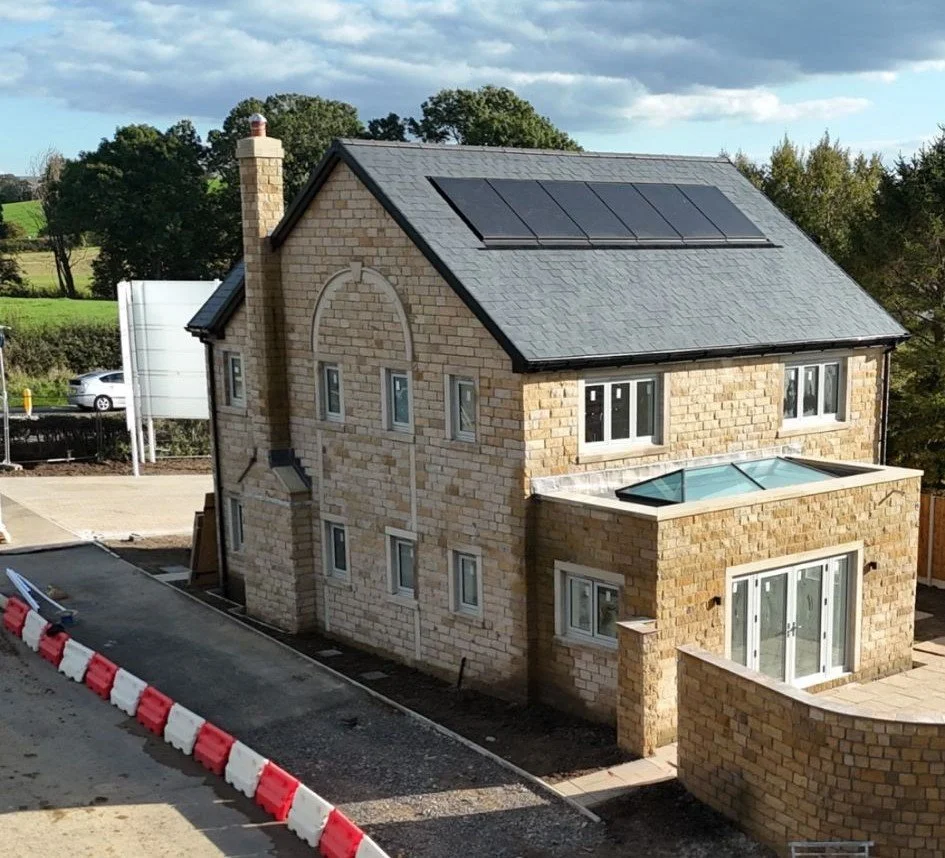
Small Developments
(1-10 Plots)
Tight scope and fewer moving parts. We confirm the roof layout and equipment locations early, then plan installation around key build milestones so the work can be completed cleanly without disrupting other trades.
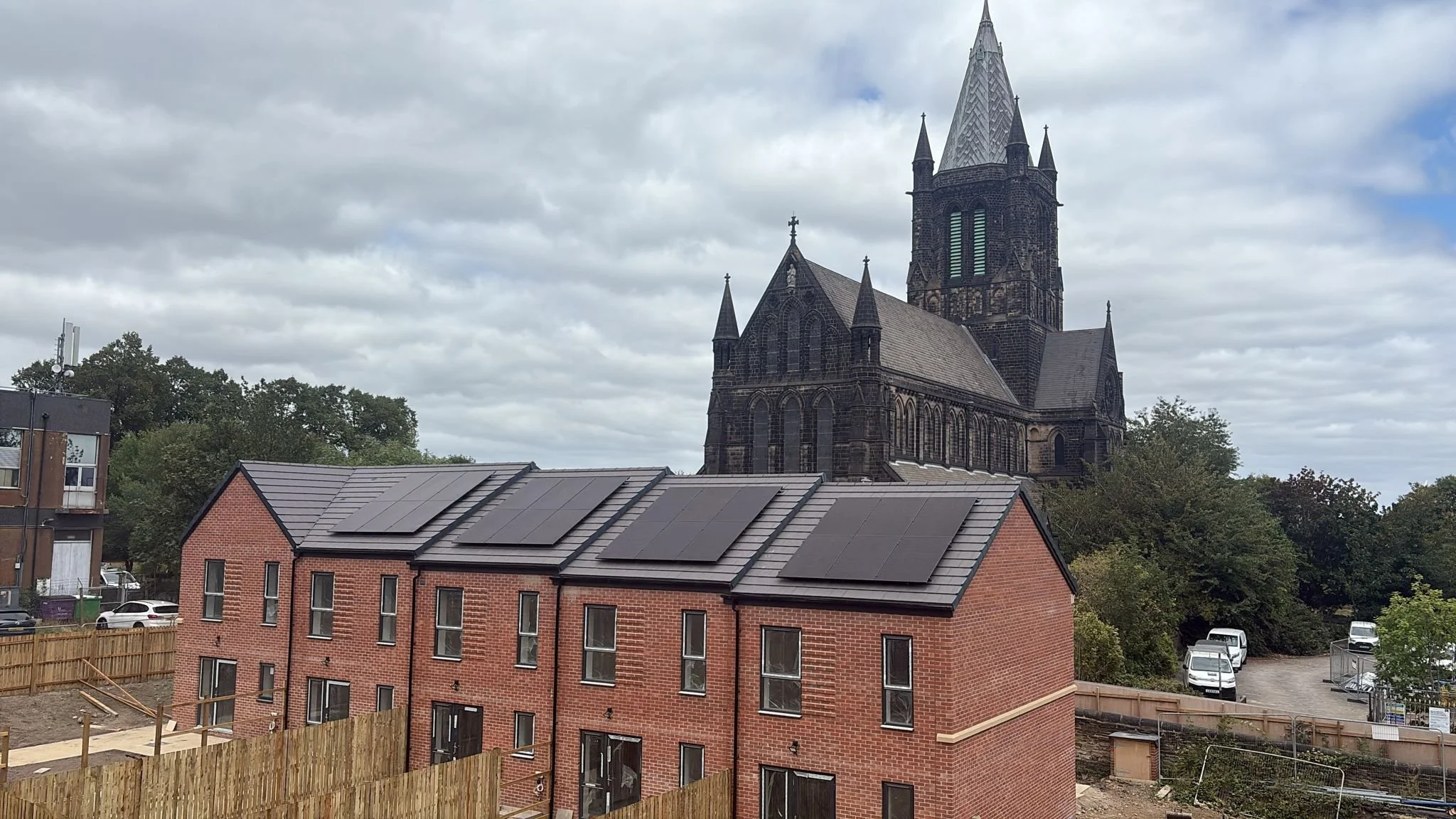
Medium Sites
(10-50 Plots)
Consistency comes from standardising the decisions that cause delays: panel layout rules, inverter location, cable routes and any site-wide preferences. That keeps site teams aligned and reduces back-and-forth as plots progress.
Large / Multi-Phase Developments (50+ Plots)
More stakeholders and more sequencing. We plan delivery around phases, coordinate access and materials across the site, and keep documentation and sign-off organised so completions aren’t held up later.

New Build Solar: Developer Checklist
This checklist highlights what we’ll confirm early as new build solar panel installers: design, programme and handover – to keep installation straightforward and sign-off smooth at completion.
-
Lock in the basics early so the solar infrastructure is straightforward to deliver:
Roof type and usable zones (including any roof fixtures, vents, fire breaks or PV exclusion areas)
Preferred inverter location(s) and access (loft/plant space/utility)
Cable routes and meter positions (so trades aren’t working against each other)
Any requirements tied to energy efficiency upgrades, net zero buildings, or green building certifications
-
Plan the install around how the site actually runs:
Plot release schedule and the points where PV can be installed without revisits
Scaffolding/roof sequencing and how PV fits alongside roofers and other trades
Site rules: inductions, working hours, storage/compound space and access routes
QA and sign-off flow (what “complete” looks like per plot/phase)
-
Make completion simple and consistent:
Commissioning approach (per plot / per phase) and who needs to sign off
Monitoring setup and the information needed for handover packs
Solar incentives and export basics for homeowners where relevant (e.g. SEG)
Ongoing responsibilities: what sits with the developer, homeowner, or managing agent – including solar panel maintenance expectations
Solar Battery Storage for New Build Developments
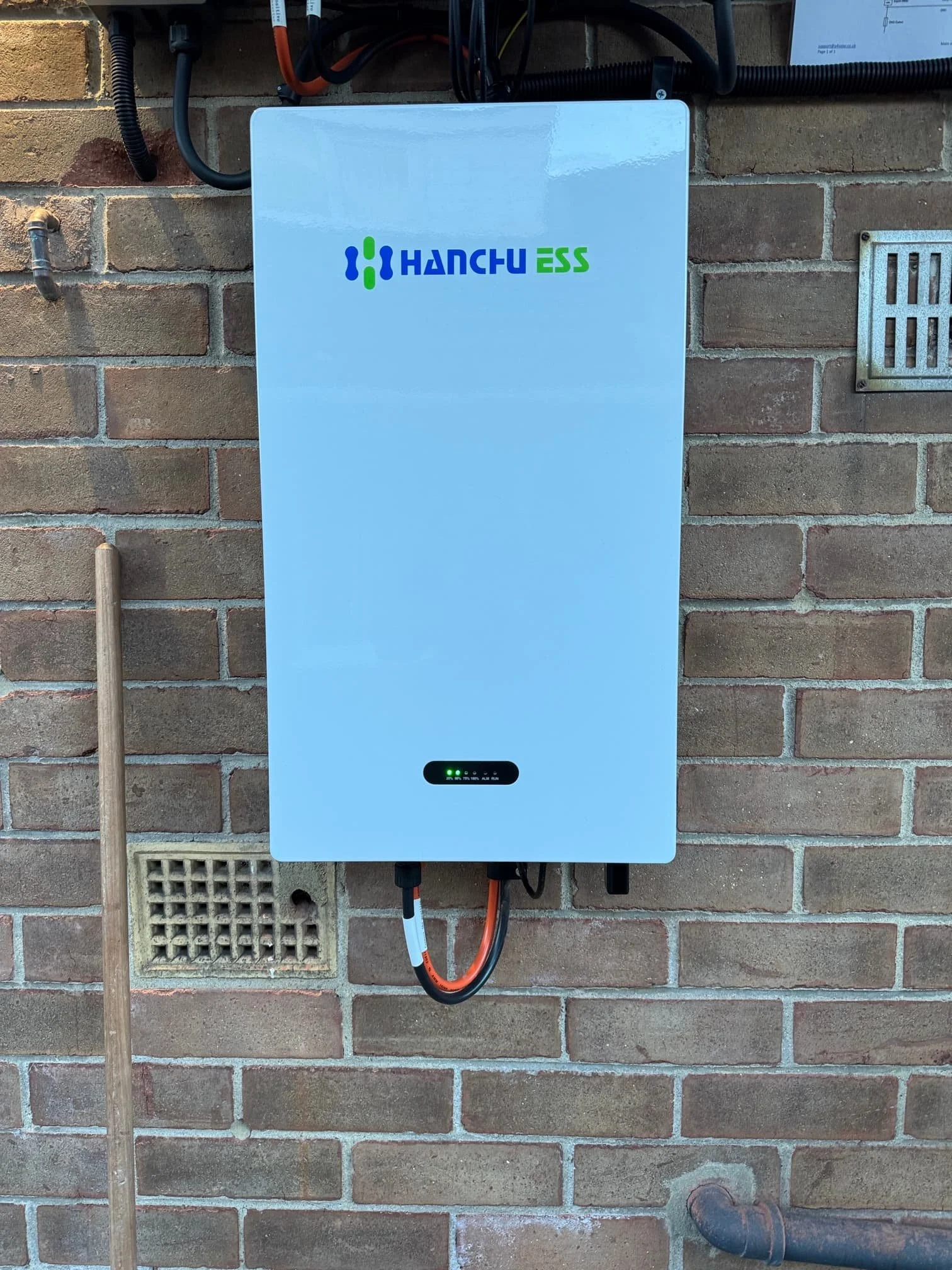
Battery storage can be specified alongside solar PV where it supports the development brief – storing surplus generation and using it later to increase on-site use and improve flexibility for occupants.
We can include storage in the photovoltaic system design from the start, or design PV so batteries can be added later without rework.
-
Higher on-site use of solar generation: store surplus PV instead of exporting it.
Supports SAP/EPC outcomes: storage can improve how the home performs on paper where it aligns with your SAP strategy and compliance targets (best confirmed during design).
Stronger buyer appeal / upgrade value: batteries are an attractive “future-ready” feature for new homeowners and can help differentiate higher-spec plots.
Future-proofing: a premium energy feature that supports net zero building goals and long-term electricity cost savings.
Our Process: New Build Solar Panel Installers
STEP 1
Developer Consultation & Feasibility Review
We start by reviewing your development scope (plot numbers, roof types and programme), then confirm the most practical solar PV approach for the site. This is where we sense-check feasibility early and flag anything that could affect delivery.

STEP 2
Plot-Level Solar System Design & Spec
Next, we produce a clear solar power system spec for the development: photovoltaic system design, layout approach, inverter specification and any battery storage options where they’re part of the brief. The aim is a consistent, repeatable spec across plots (or by plot type) that’s easy for site teams to deliver.

STEP 3
Programme Planning & Site Coordination
We line everything up before the install starts. Paperwork, DNO coordination, and a site-specific plan covering access, inductions and working zones to keep disruption low.
STEP 4
Plot-by-Plot Solar PV Installation
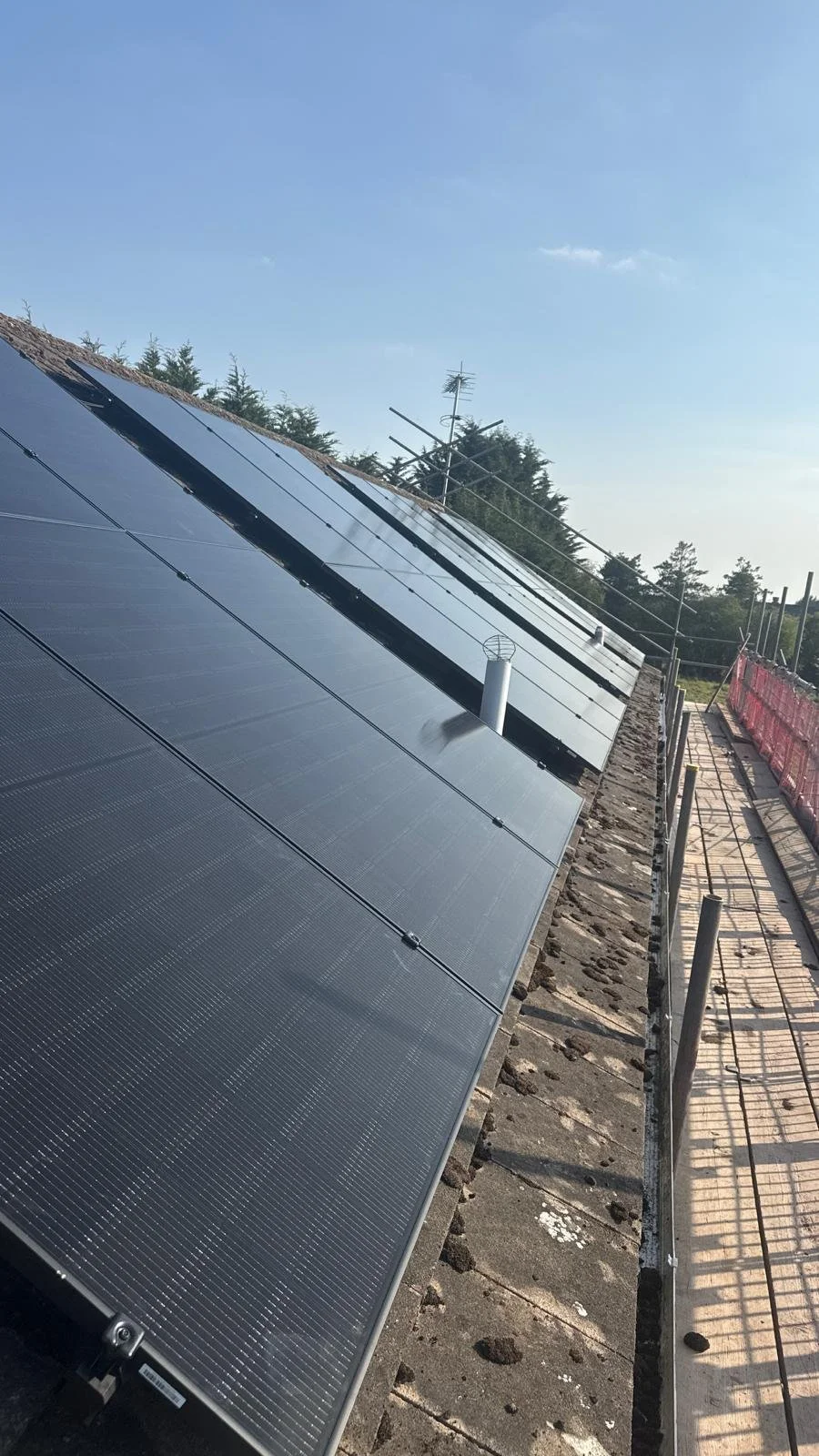
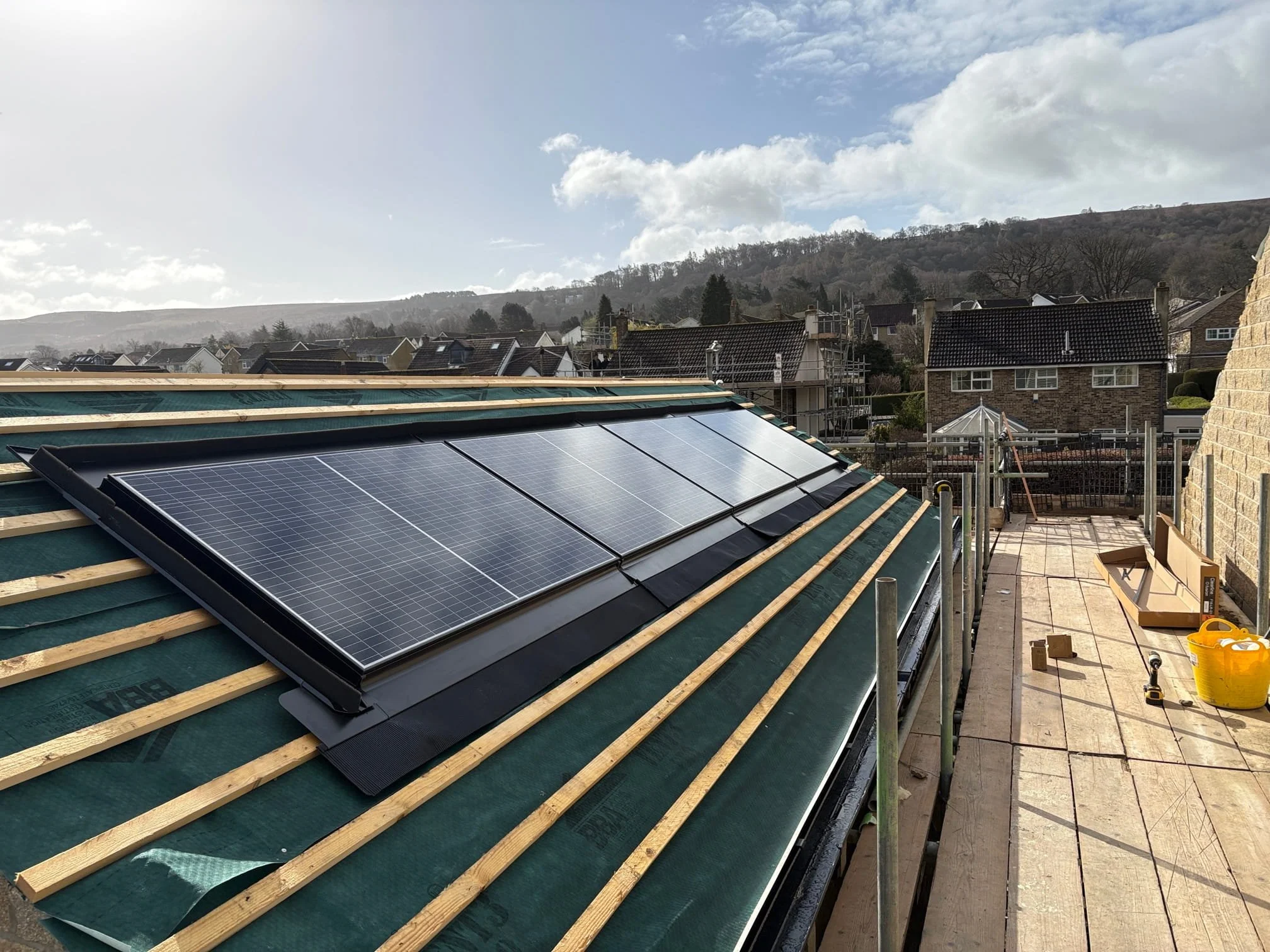
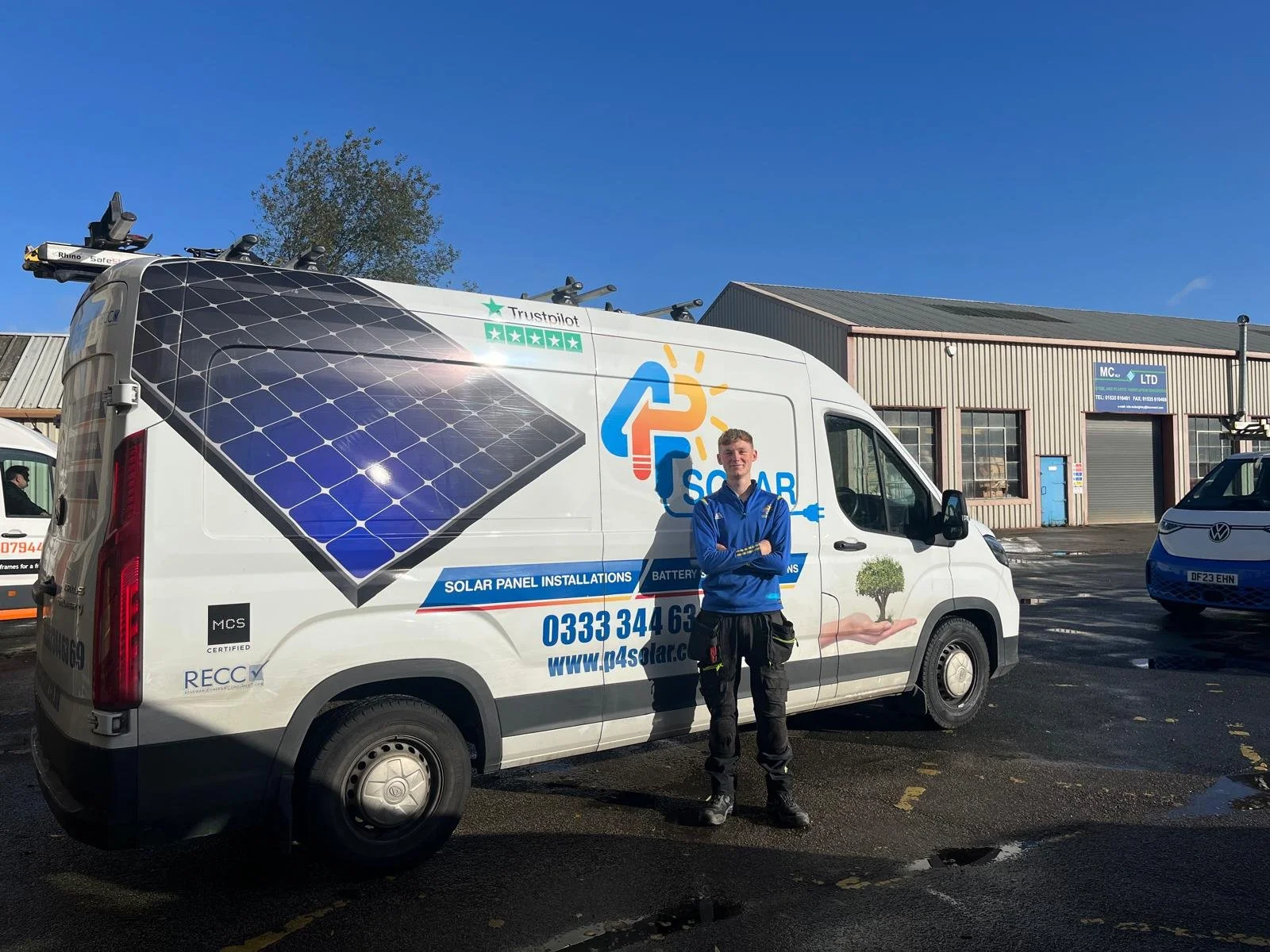
Our in-house, MCS-certified team completes installation safely and efficiently, working to the agreed schedule and keeping disruption low on live sites. We maintain consistent quality checks across plots to avoid rework later.

STEP 5
Commissioning, Testing & Completion Documentation
We commission and test each system, set up monitoring where included, and provide completion-ready documentation for handover. This helps keep sign-off smooth and supports a clean completion process.

STEP 6
Aftercare, Warranty & Panel Maintenance Guidance
After completion, we provide practical guidance on aftercare and solar panel maintenance expectations, plus support for any post-handover queries. If storage is specified, we include the relevant handover information for that setup too.
Recent Projects
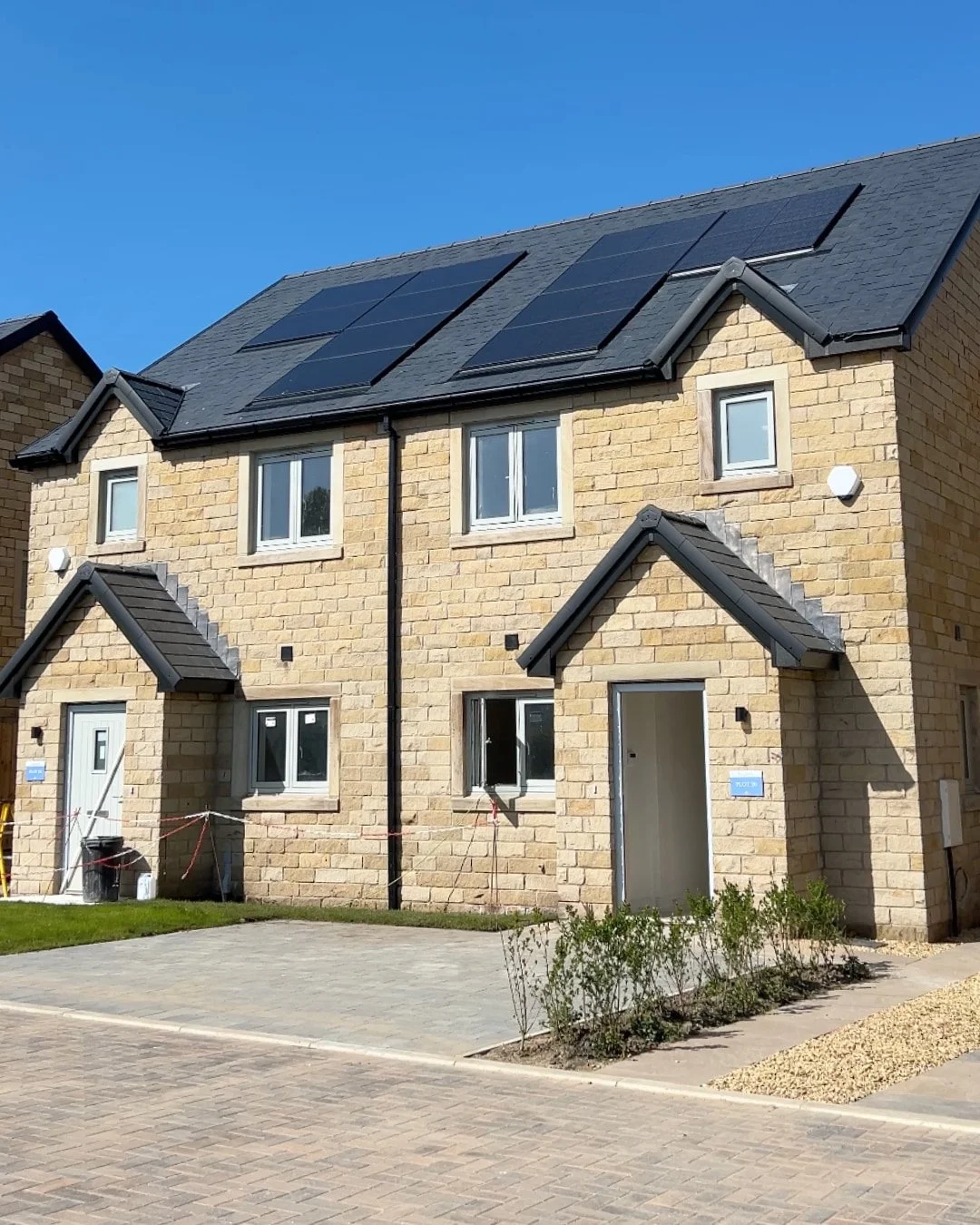
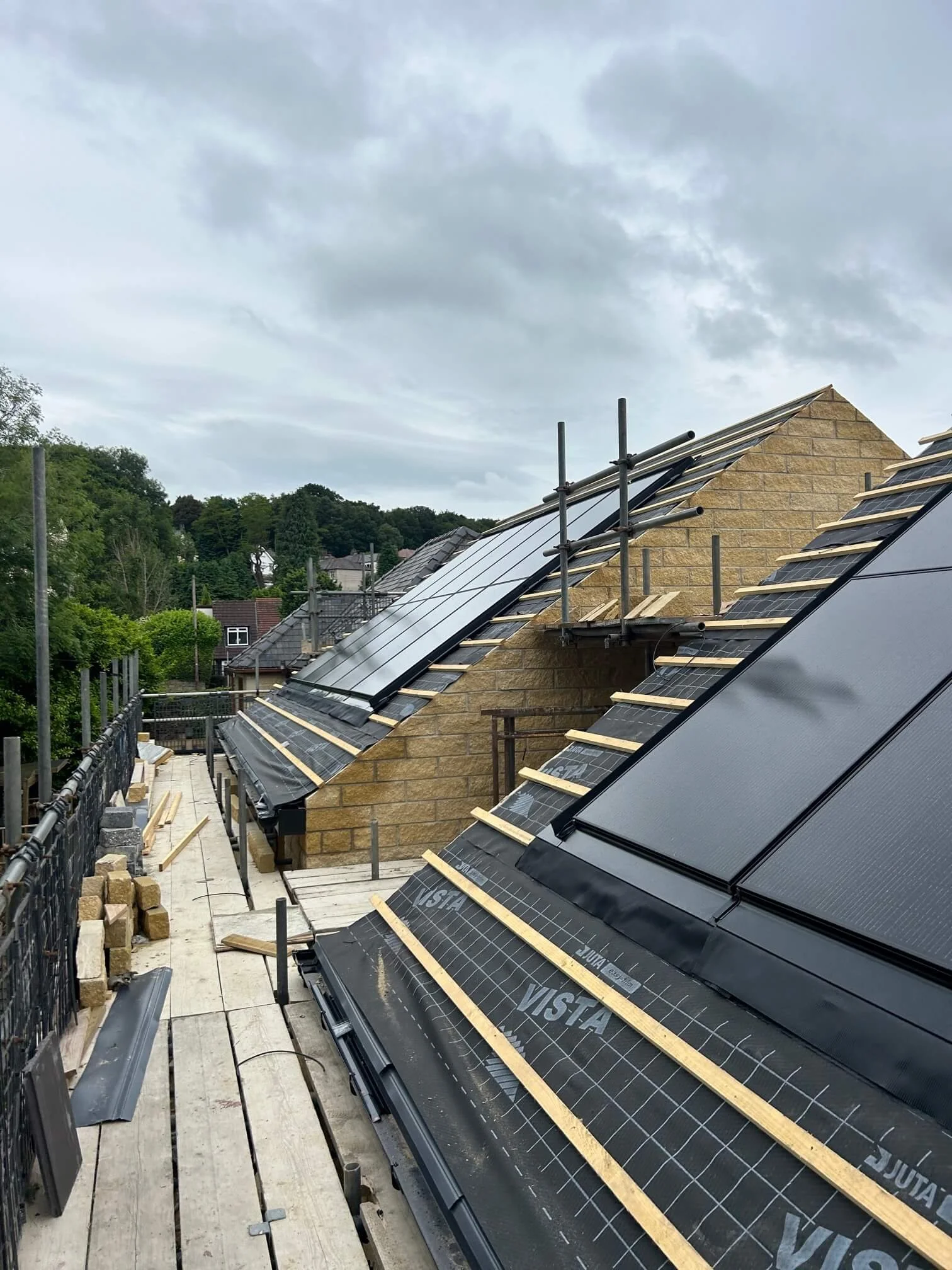
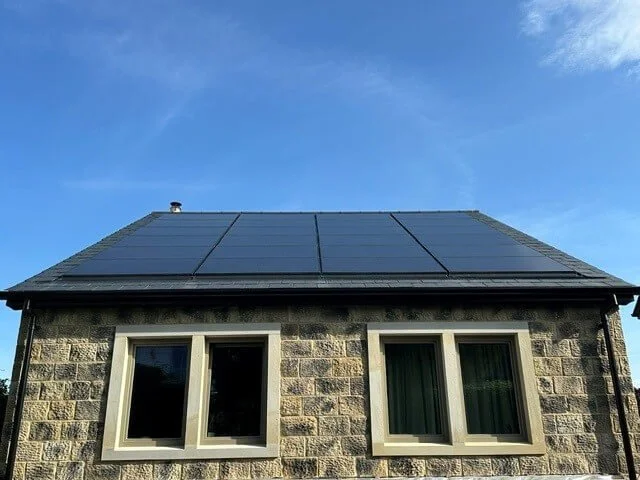
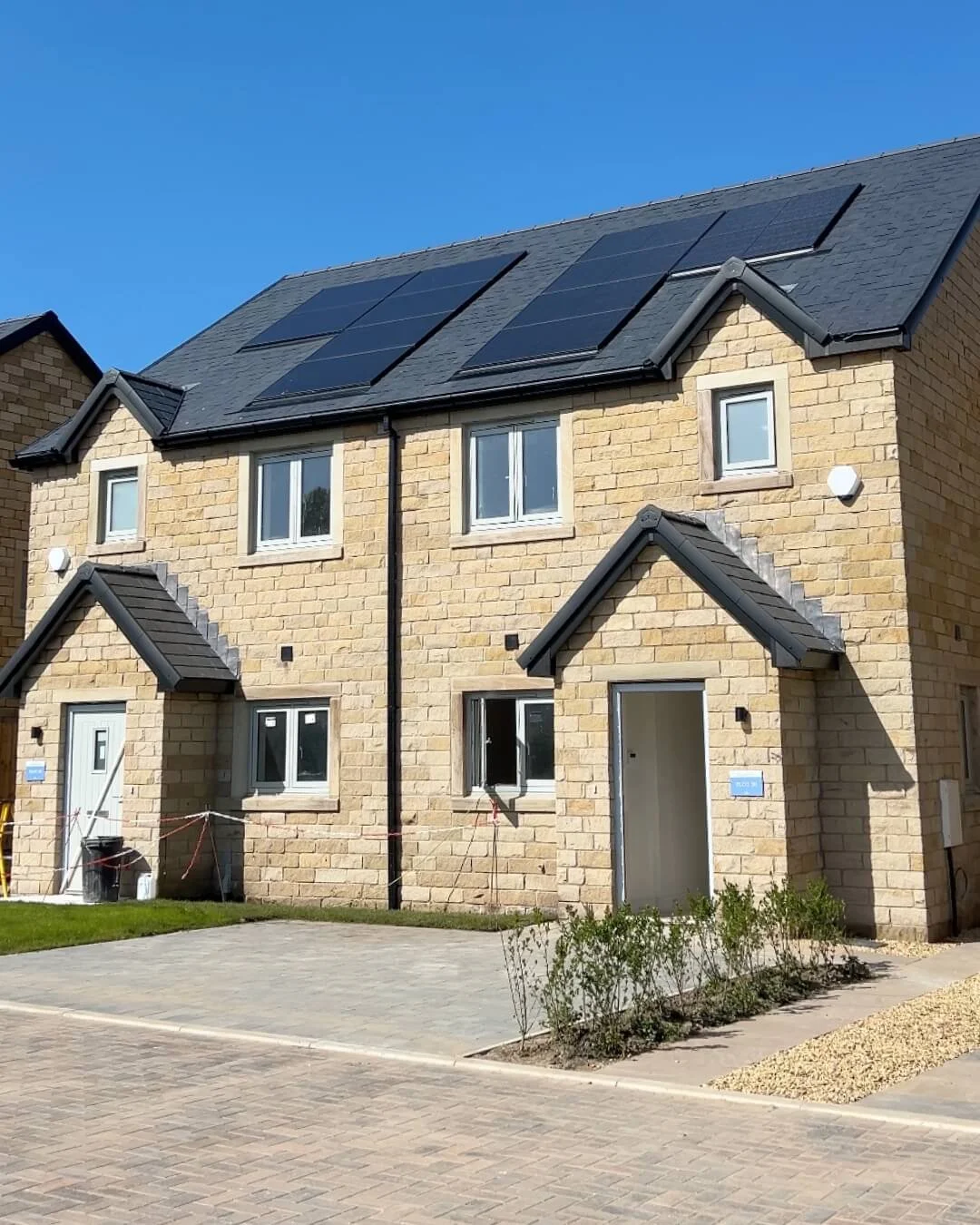
See examples of solar panels for property developments we’ve delivered across Yorkshire & the North. They show how solar is typically specified, installed and handed over on new build sites – and how it fits into wider residential energy solutions for eco-friendly development.

FAQs: Solar Panels for Housing Development
-
The government has said that, from 2027, rooftop solar PV will be required on almost all new homes in England under the Future Homes Standard, with flexibility for cases where solar isn’t practical (for example due to design constraints or limited viability).
For developers, the practical takeaway is to plan solar into the build spec early, so system design, roof layout, cable routes, commissioning and handover documentation are straightforward to deliver plot-by-plot.
-
Ideally, involve new build solar panel installers at concept / pre-construction stage – before roof layouts, plant spaces and meter positions are locked in. Early input helps you avoid late changes and keeps PV installation straightforward across plots.
At minimum, it’s useful to involve an installer before you finalise:
Roof design details that affect usable PV zones (vents, rooflights, fire breaks, no-go areas)
Inverter location(s) and access (loft/utility/plant space)
Cable routes and meter positions
Any plot-type standardisation you want across the housing development
If the roof design is already set, you can still bring an installer in, but earlier involvement usually reduces redesign and site friction.
-
The best approach is to plan solar infrastructure as part of the overall services design, not as a late add-on. For a housing development, that means agreeing the core PV approach early (by plot type), fixing practical locations for key components like inverters and meter positions, and making sure cable routes are workable before finishes go in.
When those decisions are consistent across plots, photovoltaic installation stays predictable on site and handover is simpler at completion. -
Battery storage isn’t currently a standard requirement for new build developments in the UK. For developers, it’s a spec choice – include it on every plot, offer it on selected plots, or future-proof the PV design so it can be added later.
When developers commonly specify batteries:
The development includes a premium energy spec (market positioning or buyer expectations).
You want storage to support your SAP/EPC strategy, helping improve compliance outcomes where it aligns with your design approach (confirmed during design).
You want a consistent approach across plots where space and locations for equipment are already planned.
When developers often don’t:
The brief is cost-sensitive and the priority is rooftop PV only.
You’re standardising a PV spec across many plots and want to keep equipment locations simple.
Practical approach (most common):
Design the installation so storage is an easy add-on later. Confirm inverter/plant space, routes and documentation upfront, then treat batteries as an upgrade option rather than a requirement.
-
Property market trends change over time, but buyer interest in running costs and energy performance is consistently strong – especially when electricity prices are high. For developers, solar panels for housing development are often positioned as a practical feature that supports energy efficiency and long-term household electricity cost savings.
What tends to influence demand most is:
How clearly the benefit is explained at handover (simple “how it works” guidance)
Whether the solar PV spec feels standardised and well integrated (not an afterthought)
The wider context of energy costs and buyer expectations for eco-friendly development features
If you want solar to support sales as well as compliance, the key is clear specification and clean handover.
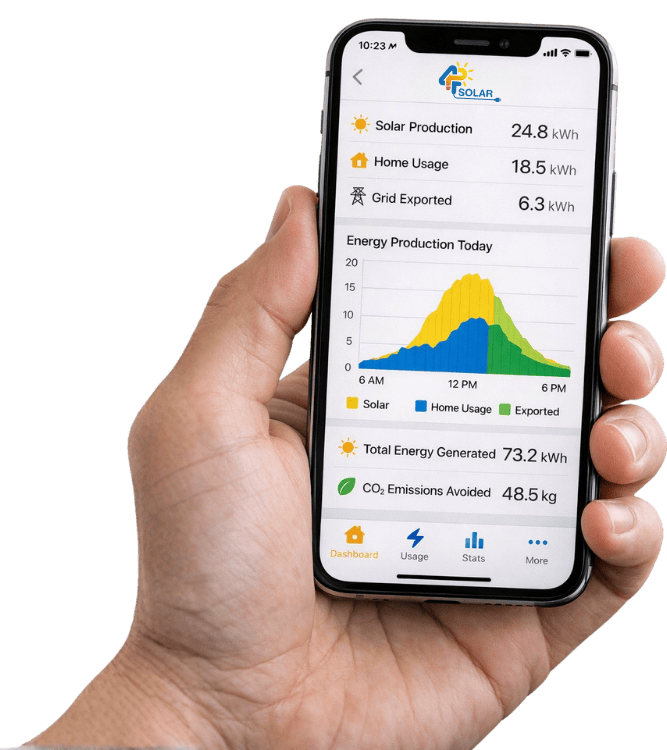
Your Solar Power,
At Your Fingertips
Monitor your energy production, track savings, and see exactly how your system is performing, all in one easy-to-use app. Stay connected to your solar setup wherever you are.
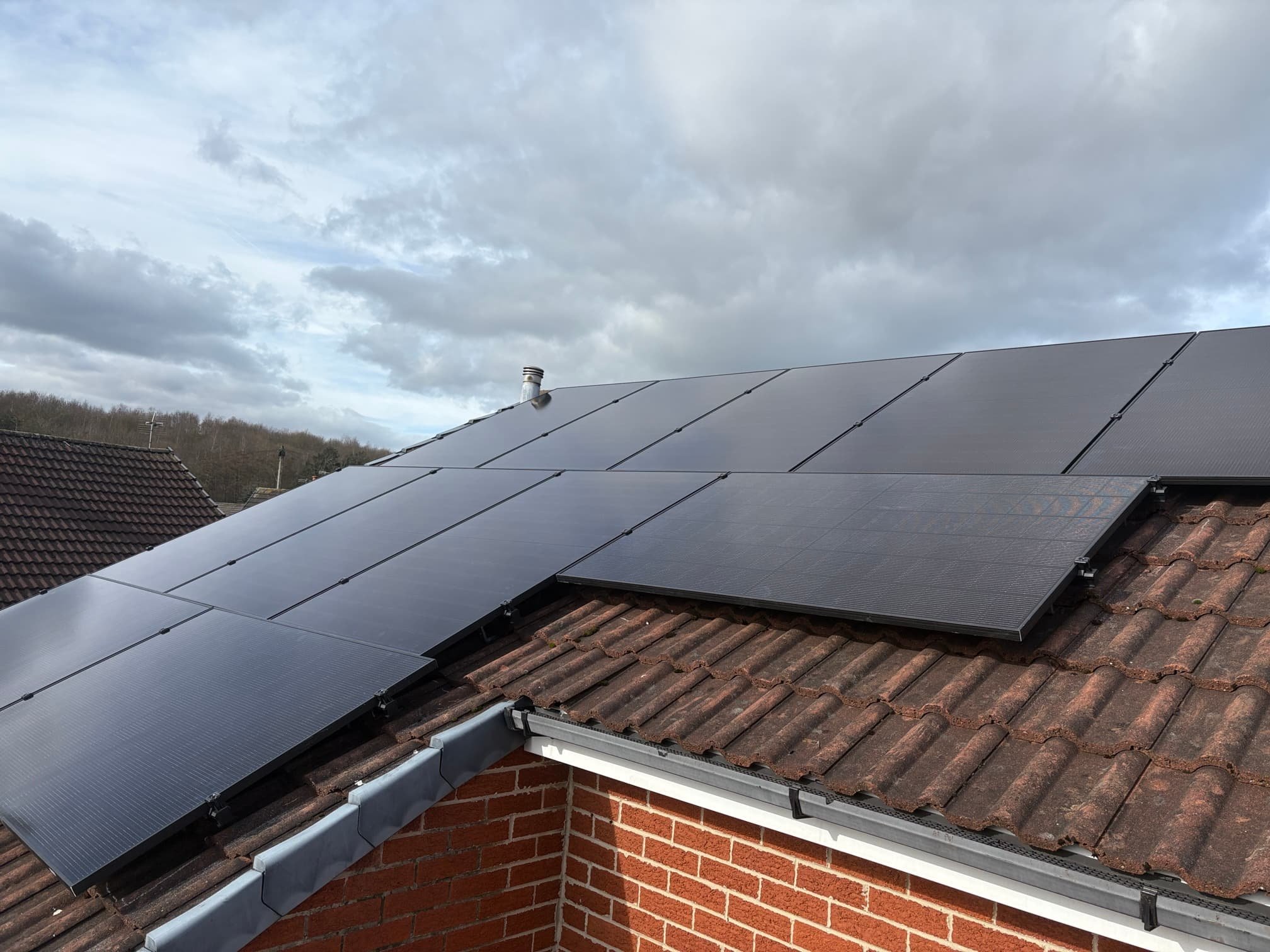
Ready to
Start Saving with Solar?
Get a free, no-obligation quote from our MCS-certified team. We’ll design the perfect system for your residential, commercial or community property.