
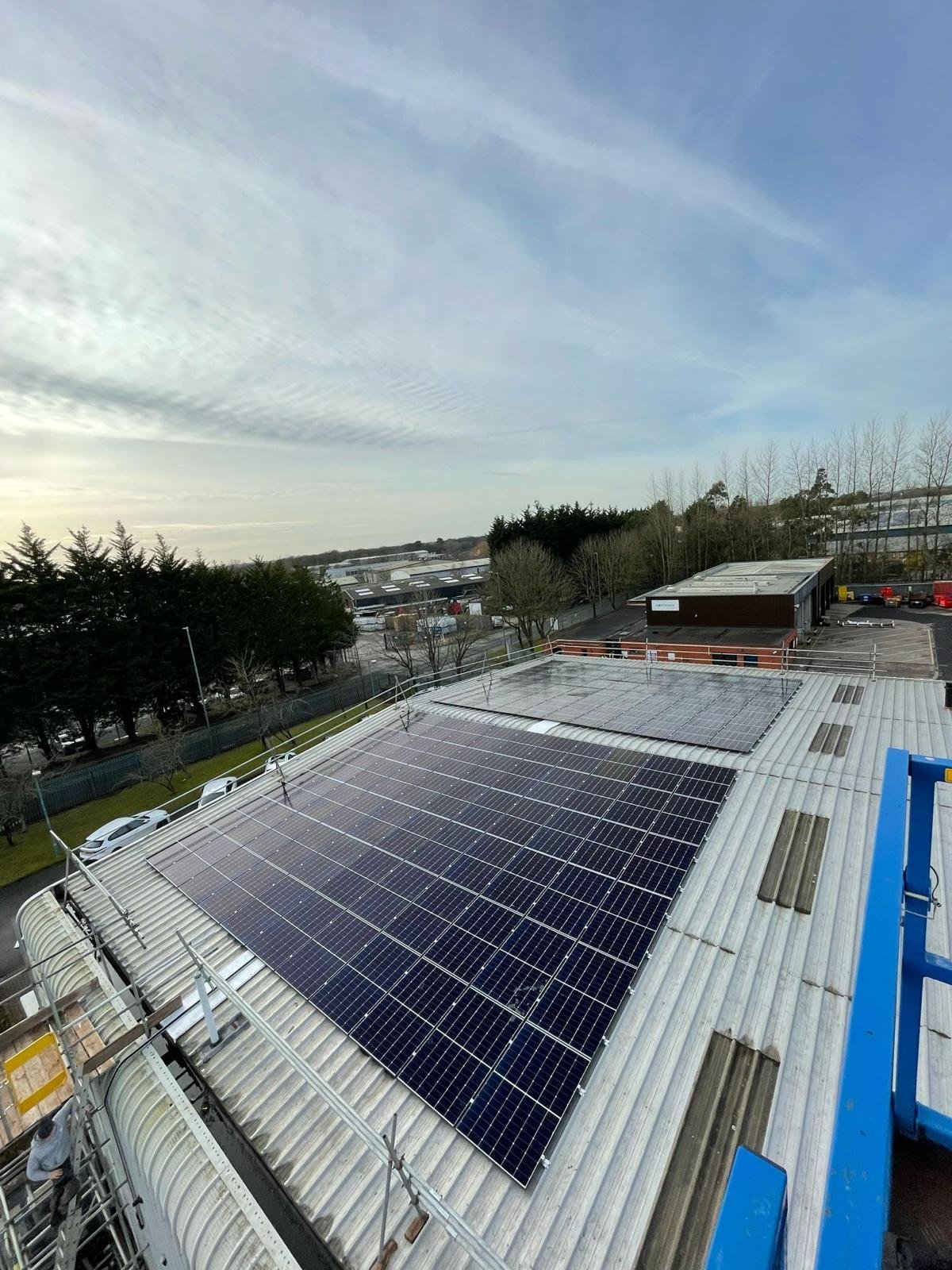
Industrial Solar Panels
Solar for Warehouses & Factories in Yorkshire & the North
Industrial solar panels are one of the most effective upgrades for sites with large roof space and steady daytime demand. You generate solar energy on-site, reduce how much electricity you buy from the grid during operating hours, and lock in long-term electricity cost reduction without changing how the site runs.
P4 Solar are specialists in commercial solar panels, designing and installing factory and warehouse solar panels across Yorkshire & the North – from feasibility and photovoltaic system design to installation, commissioning and ongoing support. You’ll get a practical recommendation based on roof layout, usage pattern and grid connection constraints.
Accredited & Certified






Commercial Solar Projects and Business Savings
See how warehouses, factories, manufacturing facilities and industrial units across Yorkshire & the North are reducing electricity costs with industrial solar panels. From warehouse solar installations to large-scale factory solar PV systems, these real-world projects highlight the potential savings, system performance, and long-term value that solar energy can deliver for industrial sites with high daytime demand.
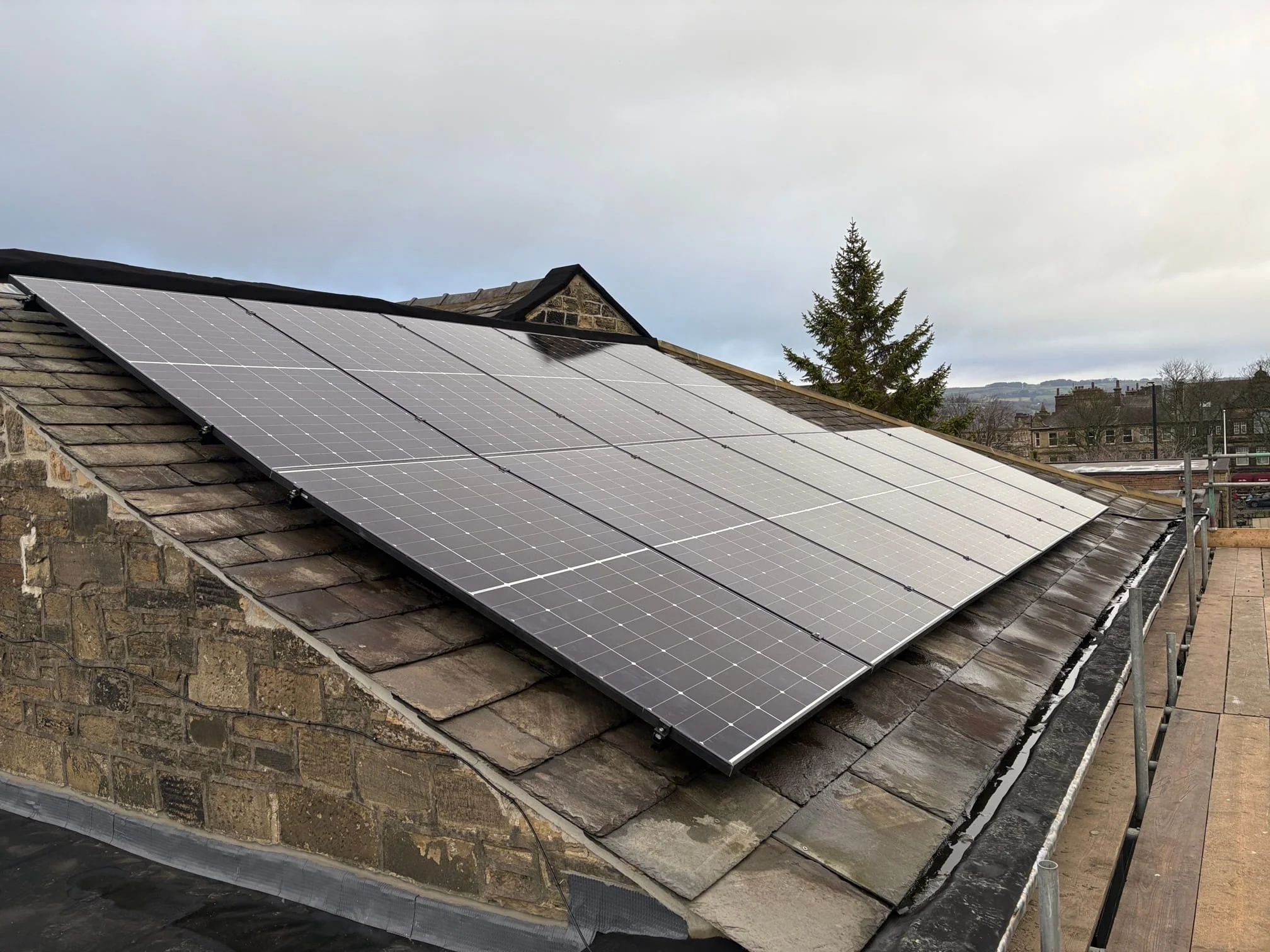
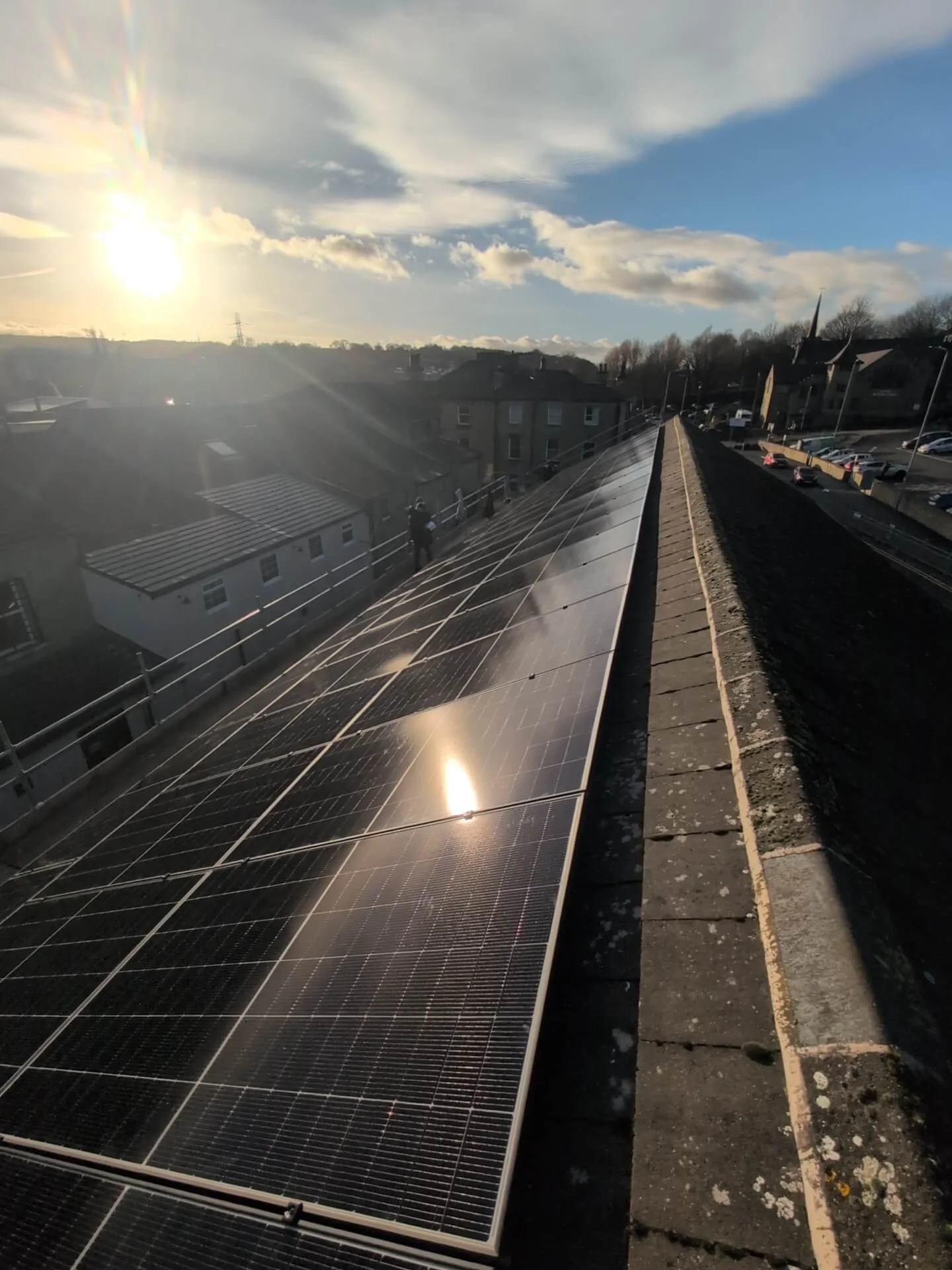
Keighley Healthy Living Network utilising solar to be able to continue its charitable work
This charitable organisation provides inclusive opportunities to improve the physical and mental health and wellbeing of the people in the Keighley community and the home of P4 Solar. We were delighted to support Keighley Healthy Living with a solar installation on their office building of 12 x 530w solar panels helping them to reduce energy bills and continue to provide this worthwhile service for many years to come.
System Size - Solar pv: 6.36 kWp
Annual Output: 5,559 kWh
Annual CO2 Saving: 1,151kg CO2
First Year Cost Savings: £1,750
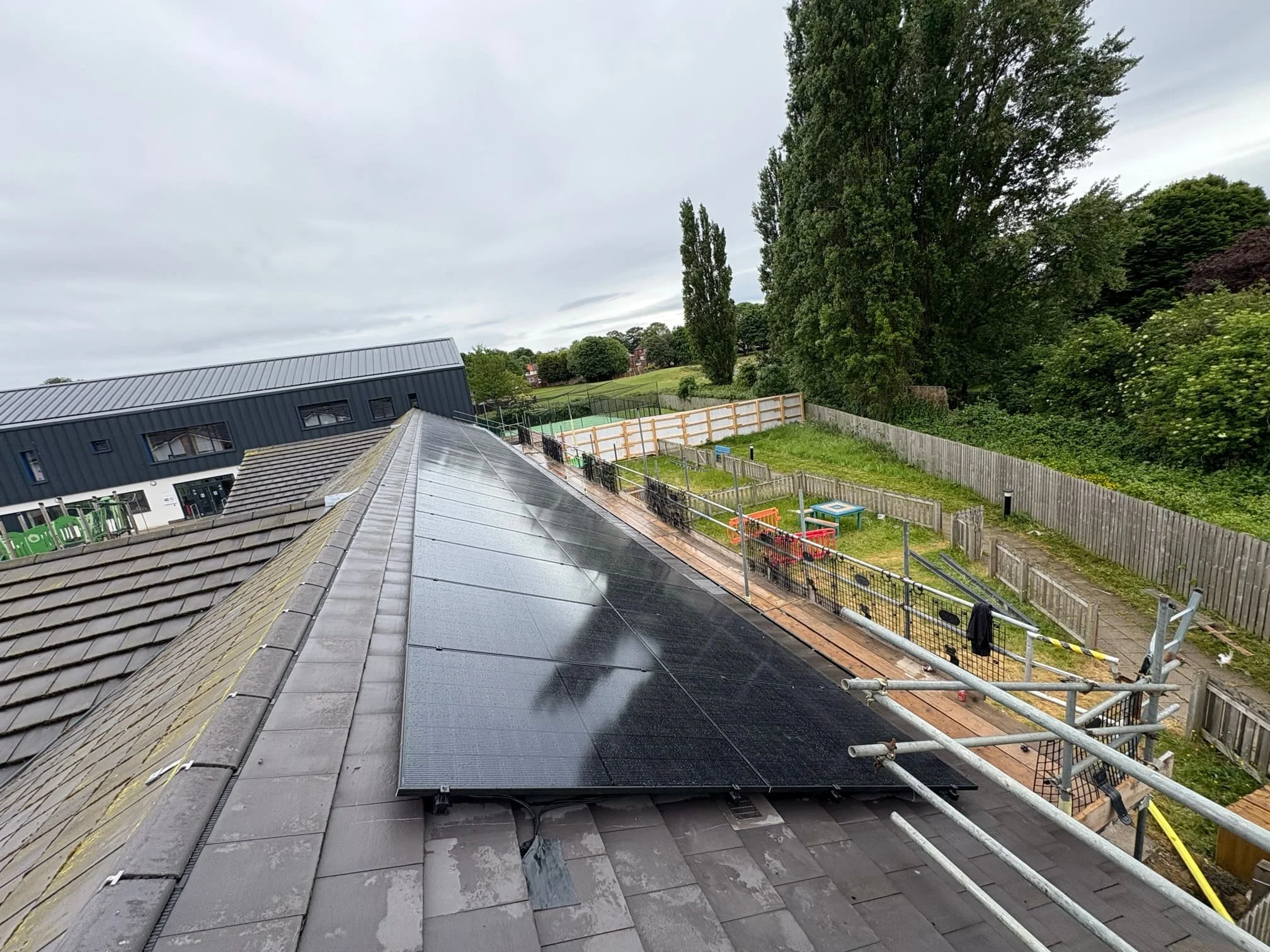
Powering Ivy Lane School with solar energy and a more secure and sustainable future
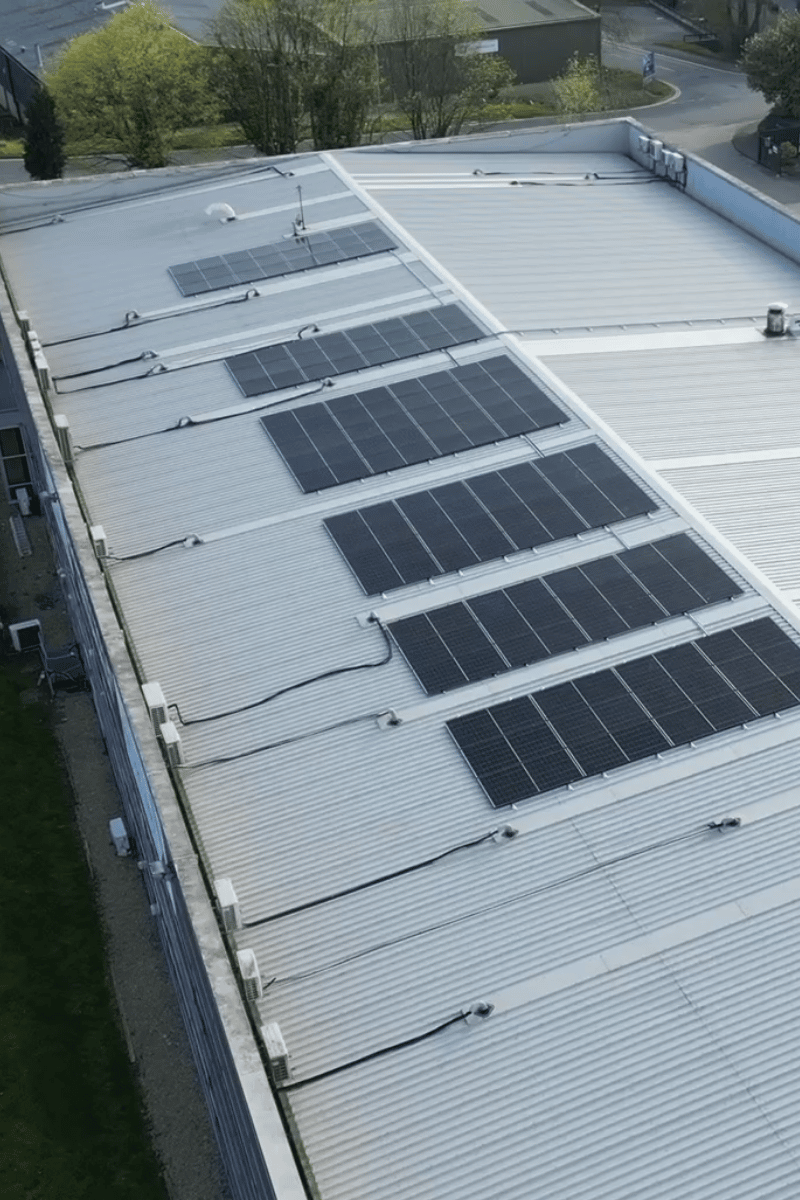
P4 supported this primary school in Wakefield on their sustainable journey with a 52 x 450w solar panel installation due to save them nearly £4K in electricity costs in the first year alone. Many schools around the UK are choosing to make the switch to solar utilising funding support from government backed initiatives.
System Size - Solar pv: 23.4 kWp
Annual Output: 20,608 kWh
Annual CO2 Saving: 4,267kg CO2
First Year Cost Savings: £3,883
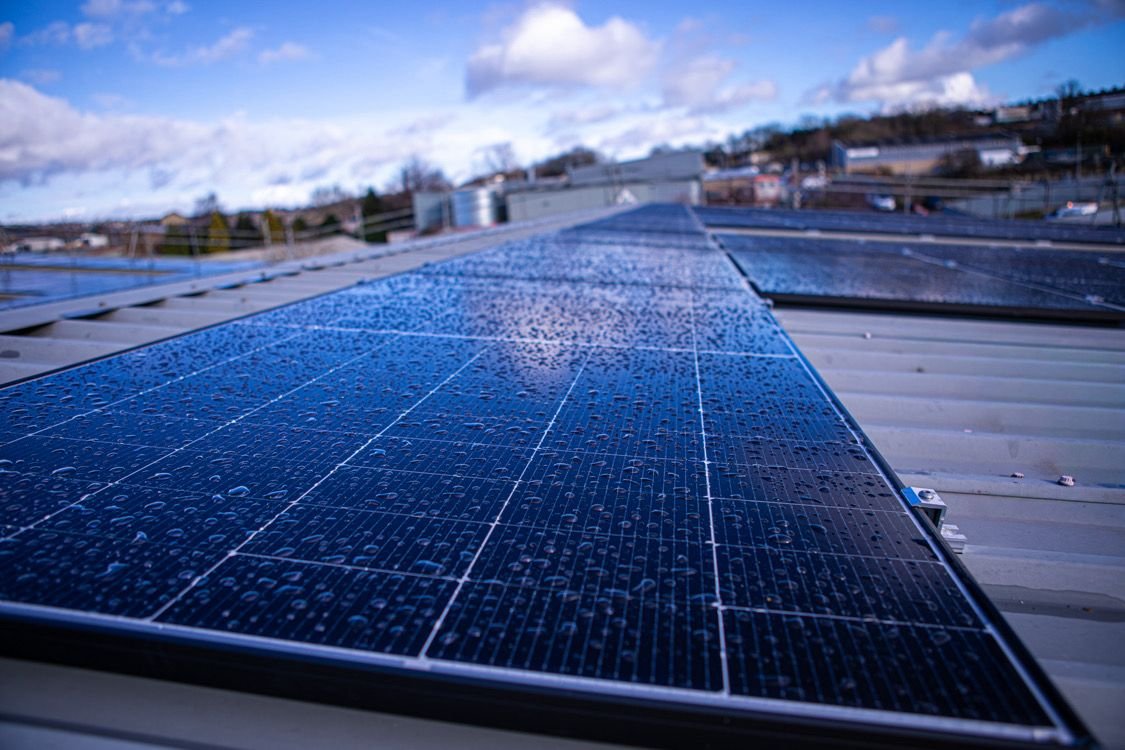
Marble 4 life go solar and take control of their rising energy costs
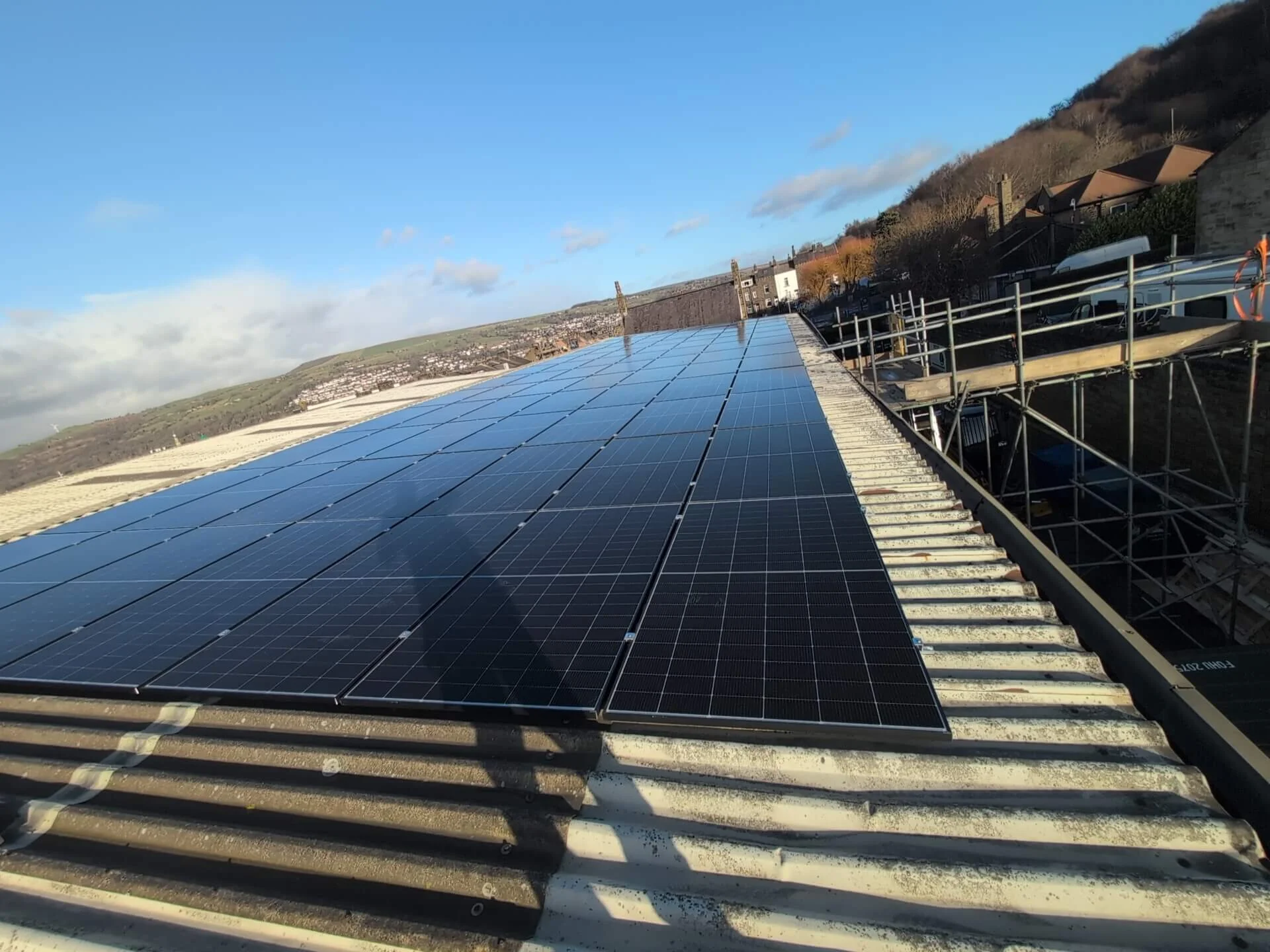
This premier producer of granite and quartz worktops was looking to take control of their rising energy bills for their factory based in Bradford, West Yorkshire and chose P4 Solar for the 162 x 535w solar panel installation. They are now benefiting from solar energy which will make them significant savings in the first year alone and for the long term.
System Size - Solar pv: 86.67 kWp
Annual Output: 71,244 kWh
Annual CO2 Saving: 14,751kg CO2
First Year Cost Savings: £16,379
Industrial Solar PV:
Key Suitability Questions
Most warehouses, factories and manufacturing sites are a strong fit for industrial solar panels, but the best results come from confirming a few practical details early. Suitability usually comes down to a few practical constraints – roof condition, grid connection, operations and install logistics. Use the questions below as a quick sense-check before a survey.
-
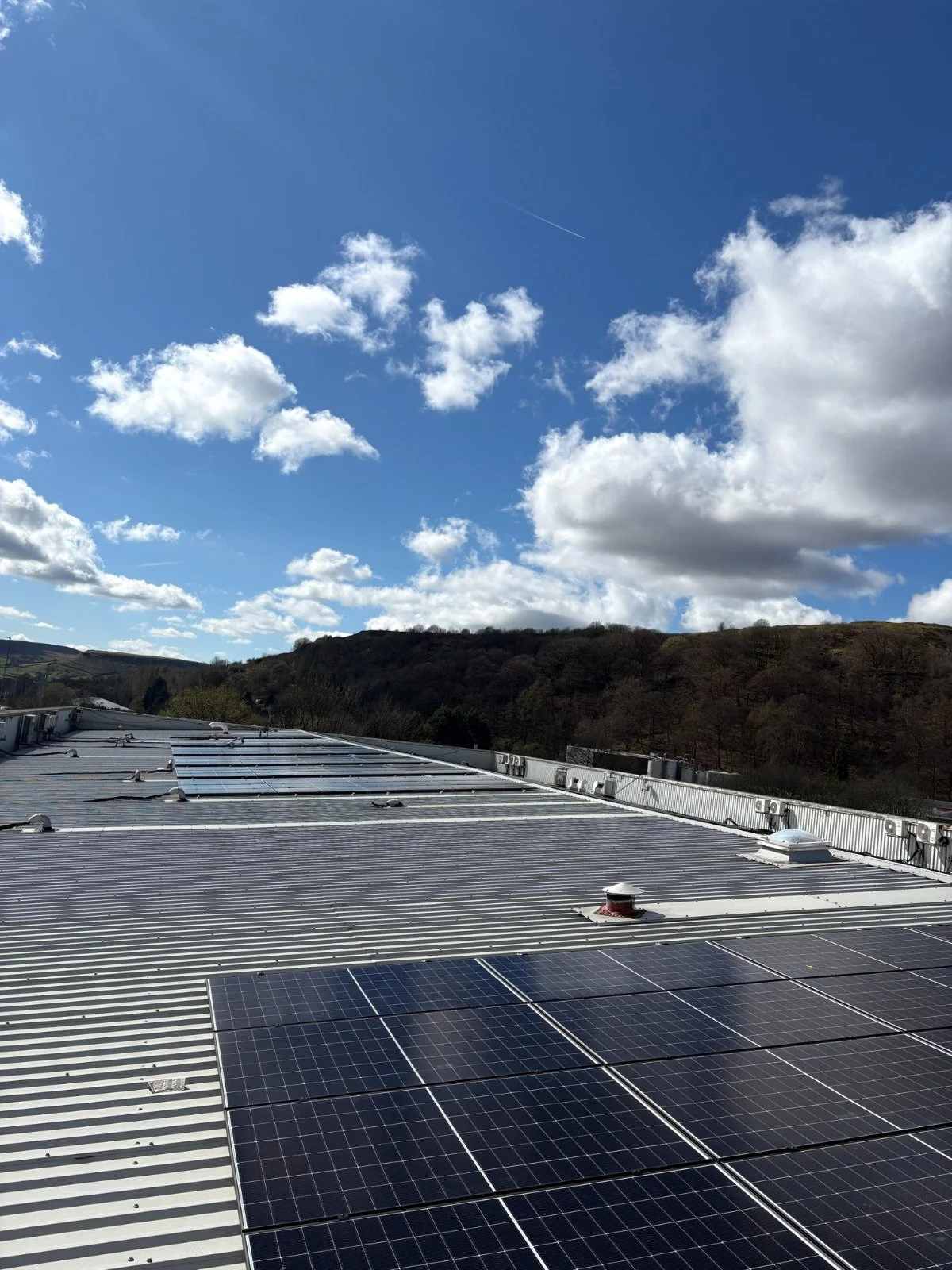
Industrial roofs are often ideal, as long as you have usable space and the roof is in reasonable condition.
A roof is typically suitable for factory solar panels when:
There’s enough clear area once you account for rooflights, vents, smoke hatches and plant
The roof is sound (or you can coordinate PV with planned roof works)
Safe access can be planned for installation and ongoing maintenance
What can make it unsuitable (or require a different approach) is usually practical: a roof that’s nearing end-of-life, major refurbishment planned immediately, or large portions taken up by rooflights/plant. In many cases, these don’t rule solar out – they just change the usable layout or timing.
-
Sometimes – and this is one of the most common constraints on large-scale solar installations for manufacturing buildings. For warehouses and factories, the grid connection (and any export limits) can shape the final system size more than roof space does.
A system is most straightforward when:
You can use a high share of generation on-site during operating hours
The site supply and connection arrangements can support the proposed PV capacity
If export is limited, solar can still work, it’s usually designed around self-use (offsetting what you’d buy from the grid) rather than assuming large exports. The key takeaway: grid constraints rarely mean “no solar”; they more often mean creating a bespoke solar system not solely based on roof size, but based on grid allowances.
-
Yes, if it’s planned around how the site runs. Solar power for factories is mostly delivered with the site live, provided you can agree:
Clear working zones and access routes that don’t clash with HGV movements and forklift routes
“No-go” windows (peak dispatch, stock takes, shutdown-sensitive production)
Site requirements like inductions and permits-to-work
The biggest risk to disruption isn’t the panels, it’s poor logistics planning. With a defined plan, installs can be phased or scheduled to keep operations moving.
-
Inverters and isolation gear need to be placed somewhere accessible, secure and practical. This is usually easy on industrial sites, but it needs thinking through early.
A good setup typically has:
Equipment in a plant/utility area or other protected location with access for maintenance
Cable routes that don’t create long, awkward runs across operational areas
Clear isolation access for safety checks and commissioning
If you don’t have a clear plant space, it’s still usually solvable – it just becomes a design decision that affects routes, install time and site coordination.
-
This is a common constraint for an industrial solar installation, and it doesn’t automatically rule solar out – but it can affect timing and method.
As a rule of thumb:
If a roof replacement/refurb is planned soon, it’s often best to coordinate PV after or alongside that work
If asbestos is present, the project may require additional controls and planning before work at height
The practical takeaway: tell your installer early about any known asbestos surveys or planned roof works so the design and programme are set up realistically from the start.
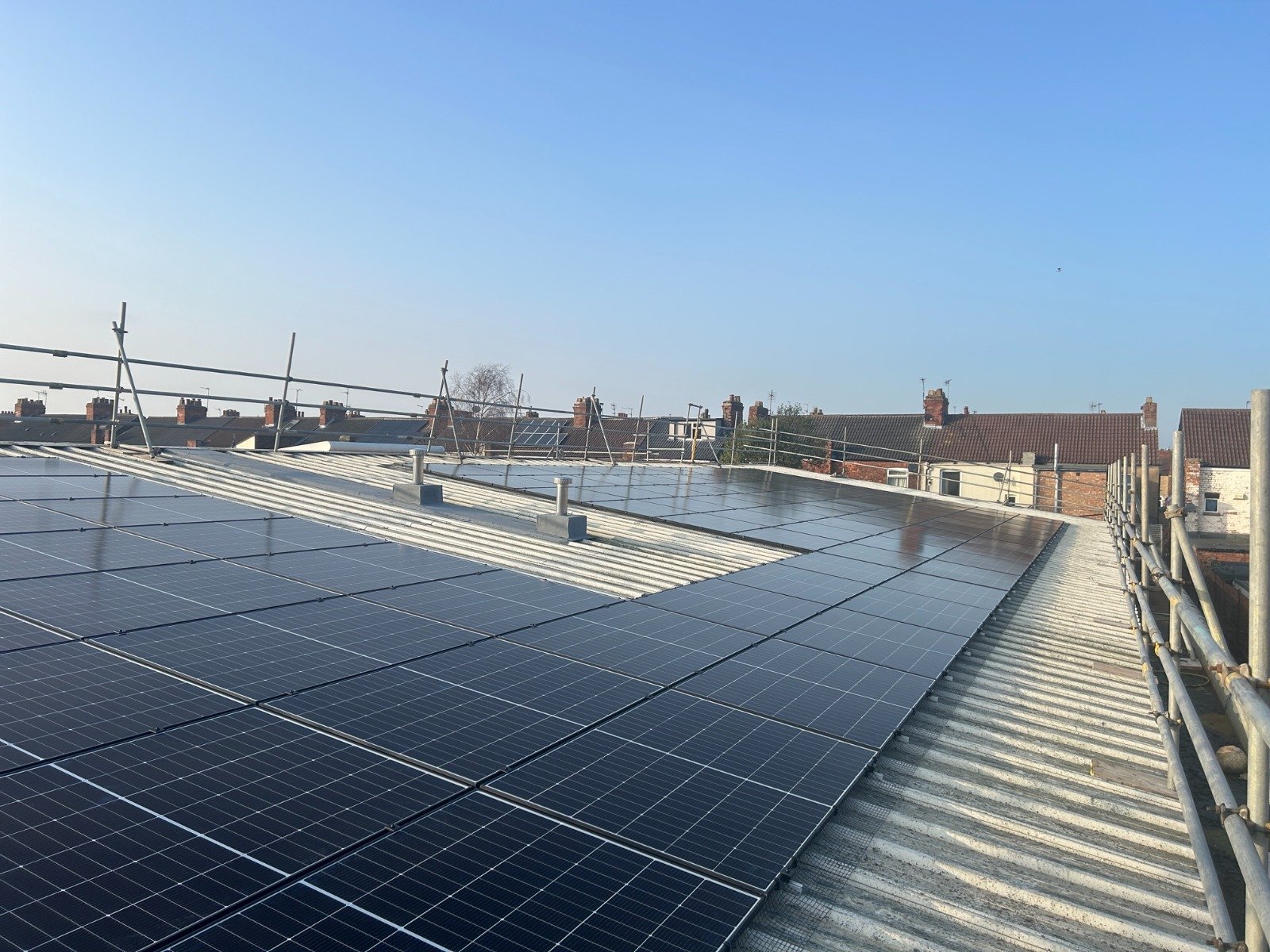
Solar Battery Storage for Warehouses & Factories
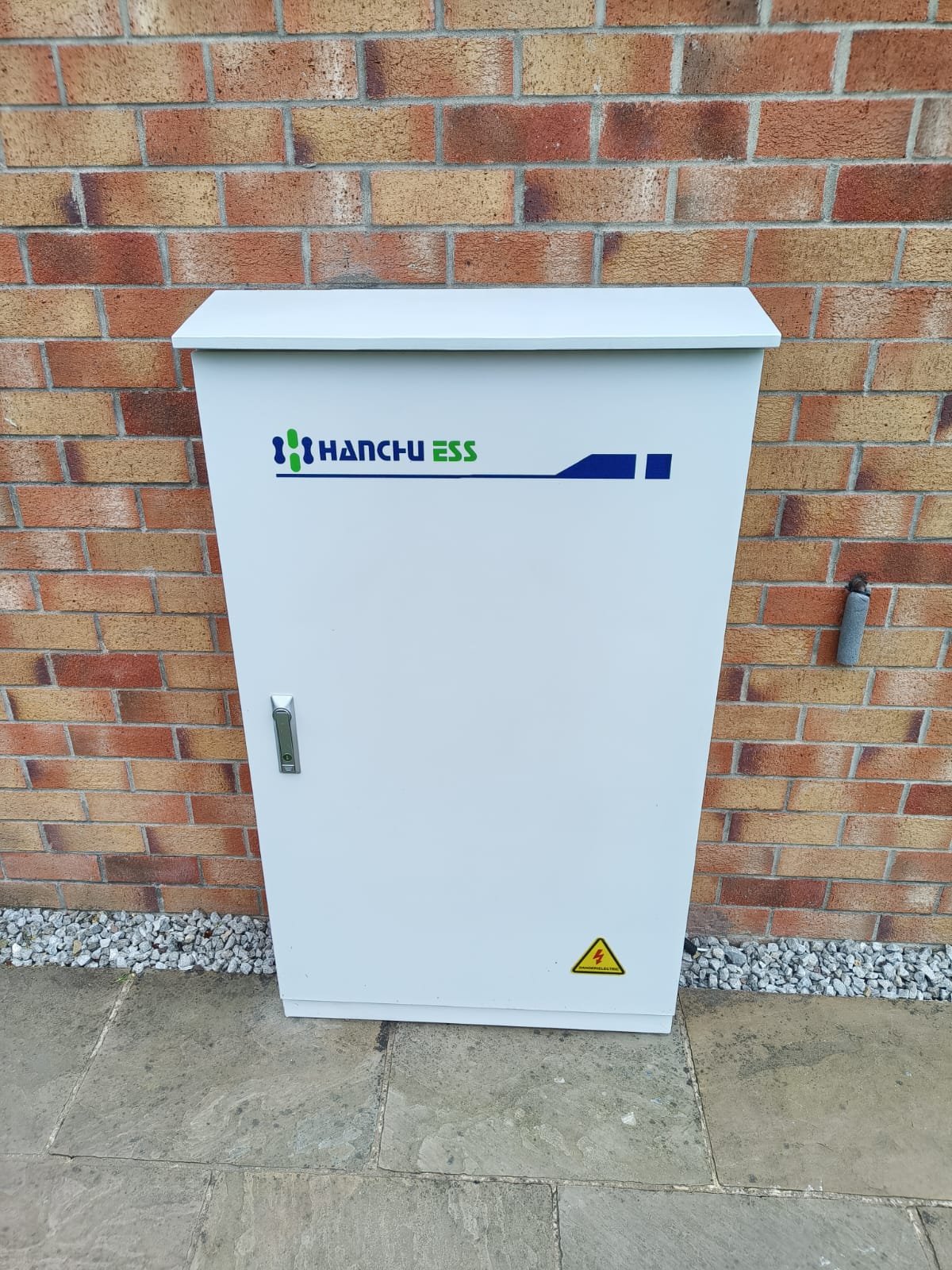
Battery storage can make warehouse solar panels even more effective – storing surplus solar energy so you can use it later and reduce grid imports when the site is busiest.
Greater electricity cost reduction: use more of your own solar generation on-site instead of importing from the grid.
Improved energy resilience: support essential loads during supply interruptions where the system is configured for backup.
Stronger sustainability performance: increase on-site use of renewable energy and support reporting requirements for emissions and energy efficiency.
Long-term site investment: future-proof your solar power system as tariffs, operating patterns and grid constraints change.
Key benefits of adding battery storage include:
If your site exports surplus electricity, you may also be able to earn payments through a Smart Export Guarantee (SEG) tariff (rates vary by supplier). We’ll help you weigh up the best mix of on-site use, storage and export based on your usage and connection constraints.

Our Process: Industrial Solar Installation
STEP 1
Site Survey & Feasibility Check
We start by confirming what’s buildable on your roof: usable zones around rooflights, vents and plant, roof condition, and safe access for installation. We’ll also review your electricity supply and operating pattern so the system is designed around genuine on-site demand.
STEP 2
Photovoltaic System Design & Clear Proposal
Next, we design the photovoltaic system around your site: panel layout, inverter approach, and any energy storage options where they improve outcomes. You’ll receive a clear proposal with expected power generation, assumptions on self-use vs export, and an indicative plan for how the solar installation would be delivered on a live warehouse or factory site.

STEP 3
Grid Integration, Export Limits & Pre-Install Planning
For factory solar panels, grid integration can shape the final system size – especially on large-scale installations. We factor in connection requirements and any export limitations early, then plan around operations: working zones, access routes, loading bays, forklift/HGV movement, and any permits-to-work or induction requirements.
STEP 4
Solar Module Installation (On-Site Delivery)
Our in-house, MCS-certified team completes the factory/warehouse solar installation safely and efficiently, keeping disruption low. We work to the agreed method and timings, maintain tidy working areas, and coordinate around “no-go” windows such as peak dispatch, stock takes, or shutdown-sensitive production.

STEP 5
Commissioning, Monitoring & Handover
Once installed, we commission and test the solar power system, set up monitoring, and provide handover documentation. You’ll be able to track solar energy production over time and understand what good performance looks like across seasons and operating patterns.

STEP 6
Ongoing Aftercare & Support
After switch-on, we provide ongoing support to protect long-term performance – with practical guidance on checks and maintenance so your system continues to run smoothly.
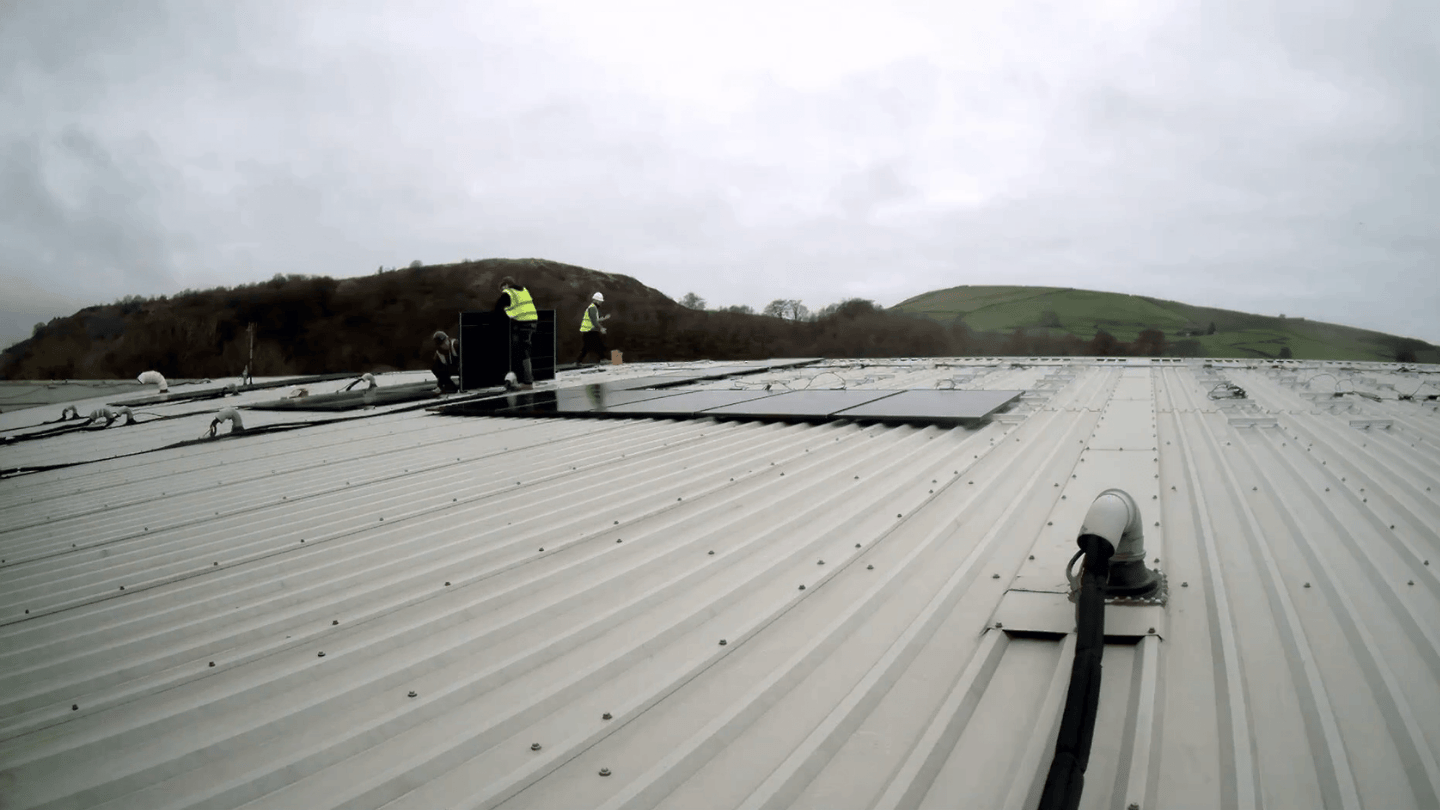
Some of our Industrial projects in Yorkshire & the North
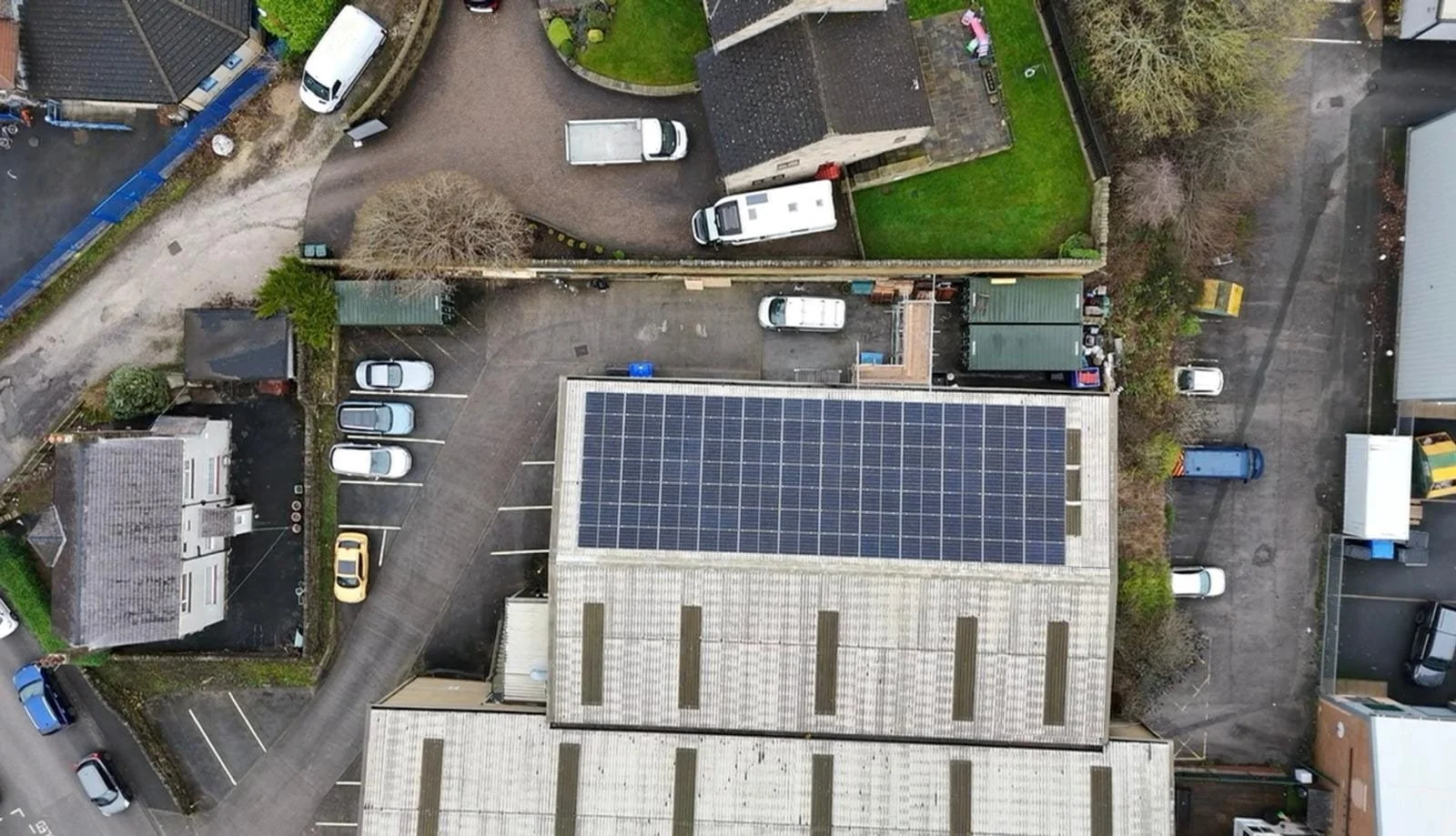
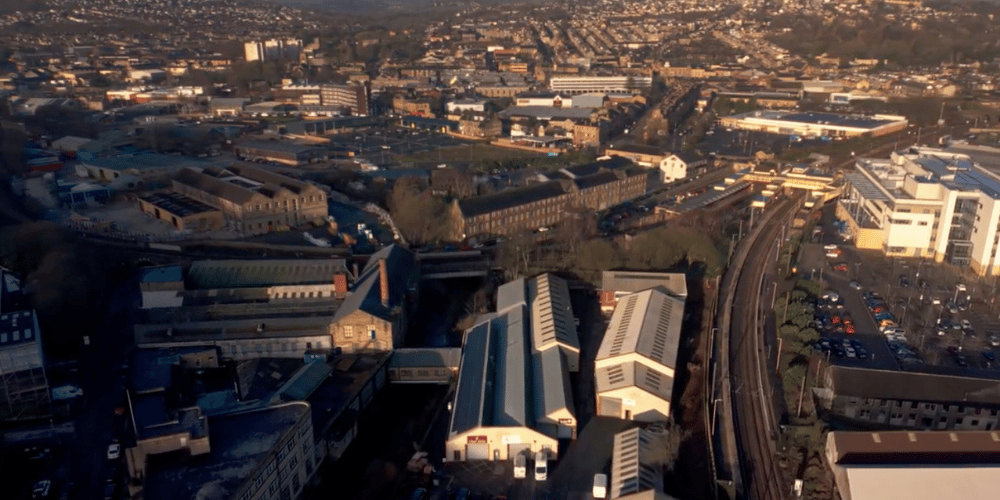
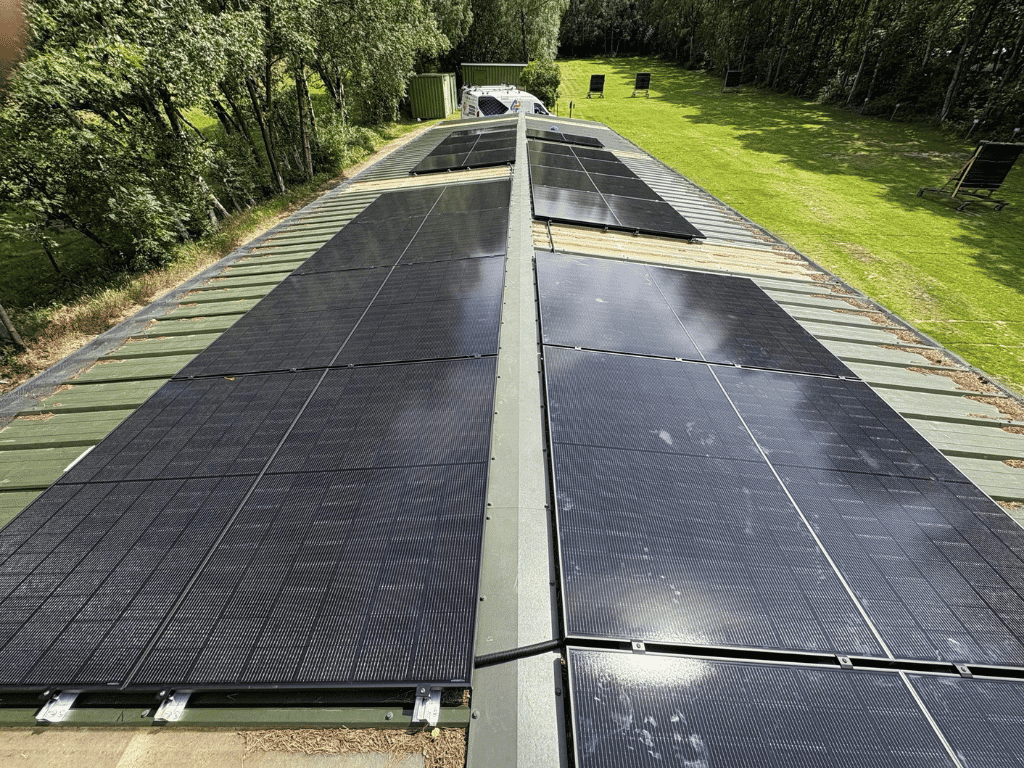
Explore our recent projects covering solar panels for manufacturers and industrial buildings – including warehouses, factories, and logistics centres. These examples give a practical look at large-scale photovoltaic systems, site delivery planning, and what a clean handover looks like after commissioning.

FAQs: Solar Panels for Industrial Units
-
Yes – solar panels for industrial units are often a worthwhile long-term investment, especially for warehouses and manufacturing sites with large roof space and meaningful daytime energy demand. Industrial solar panels can deliver strong value by reducing grid imports during operating hours, improving energy efficiency, and supporting sustainability targets.
They tend to perform best when:
The roof has enough usable space once rooflights, vents and plant are accounted for
Your site has steady daytime loads (lighting, HVAC, refrigeration, machinery/process loads)
The system is designed around grid connection/export constraints and prioritises on-site use
From a commercial perspective, many businesses can also benefit from capital allowances (such as AIA, subject to eligibility/limits), and if you export surplus electricity you may be able to receive payments via a Smart Export Guarantee (SEG) tariff (rates vary by supplier).
If you share your roof plan/photos and 12 months of electricity data, we can quickly sense-check feasibility and outline the most practical system approach before a full survey.
-
Often not. Most factory and warehouse solar panels can be installed under Permitted Development, but there are exceptions. Planning permission may be needed if the building is listed, in a conservation area, or if there are specific roof/visual constraints. For some sites, landlord/freeholder approval is also relevant even when planning isn’t.
We’ll flag what applies early based on your site details, so your warehouse solar installation plan is realistic before you commit.
-
Yes. Solar panels for manufacturers are sized around your site’s daytime demand and “always-on” loads, which often include machinery, process equipment, compressed air, ventilation and HVAC. The goal is to maximise on-site use of the solar energy you generate, because using your own power generation usually delivers better value than relying on export.
If you can share 12 months of electricity data (half-hourly data if available), we can size the photovoltaic system more accurately around your operating profile.
-
Often, yes. Businesses in the UK can usually claim capital allowances on industrial solar PV, and many installations qualify for 100% relief under the Annual Investment Allowance (AIA) up to the AIA limit, meaning the cost can be deducted from profits before tax in the year of purchase.
There are also first-year allowance regimes for plant and machinery, but eligibility depends on the asset category and business circumstances. Your proposal should be supported by your accountant/tax adviser to confirm the best treatment for your site and company. -
Yes definitely, especially if your site uses a lot of electricity outside daylight hours or you want to increase how much of your solar energy is used on-site.
A common approach is:
Install warehouse solar panels first, sized to your daytime demand
Add battery storage where it improves results (or offer it as a phase-two upgrade)
Future-proof the design so storage can be added later without rework (space, routes and documentation planned upfront)
-
Yes, solar panels for factories can effectively power a meaningful share of daytime electricity use, especially where you have large roof space and steady operating-hour demand. A well-sized system can reduce grid imports and support long-term electricity cost reduction.
Most factories will still use the grid alongside solar (for peaks, night shifts, and seasonal variation), but pairing solar with battery storage can increase self-use and help cover demand outside daylight hours where it makes commercial sense.
-
P4 Solar warehouse installations are specified for long-term performance, with clear warranty protection confirmed upfront:
Solar panels: 30-year performance warranty
Inverters and batteries: typically 10 to 25 years (dependent on chosen warranty)
Accredited install team: MCS-certified and NAPIT approved
Added protection: IWA warranty protection
Your proposal and handover pack will confirm the exact warranty terms for the equipment on your site, plus what support looks like if there’s an issue.
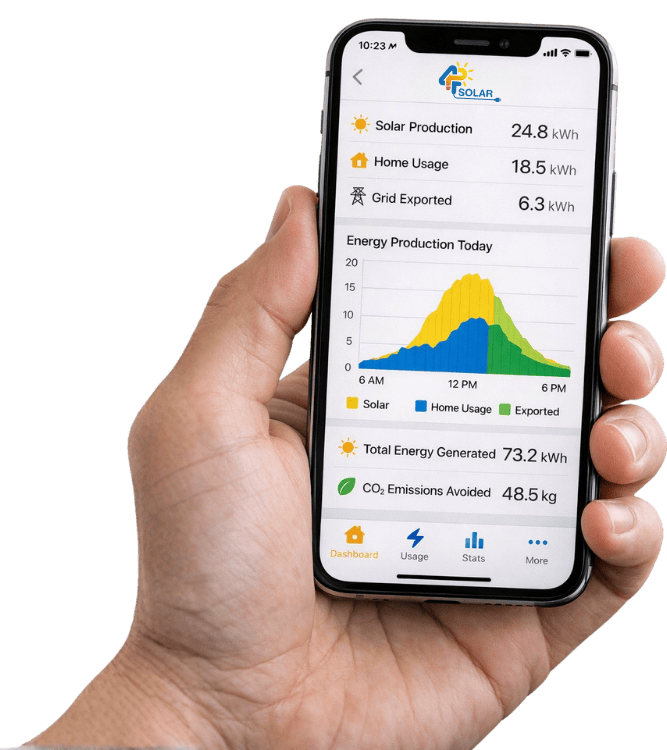
Your Solar Power,
At Your Fingertips
Monitor your energy production, track savings, and see exactly how your system is performing, all in one easy-to-use app. Stay connected to your solar setup wherever you are.
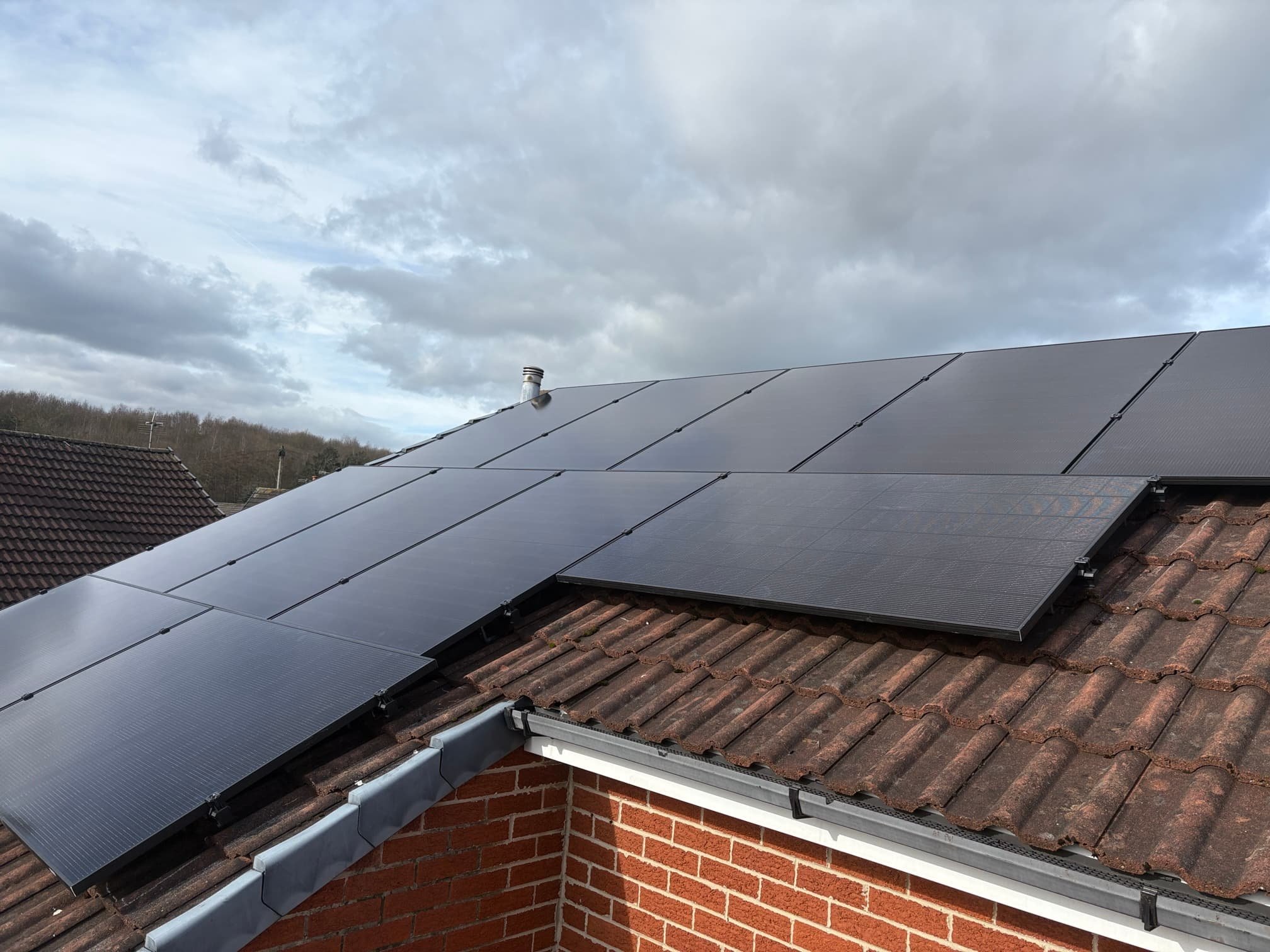
Ready to
Start Saving with Solar?
Get a free, no-obligation quote from our MCS-certified team. We’ll design the perfect system for your residential, commercial or community property.