
What is the Best Angle for Solar Panels in the UK?
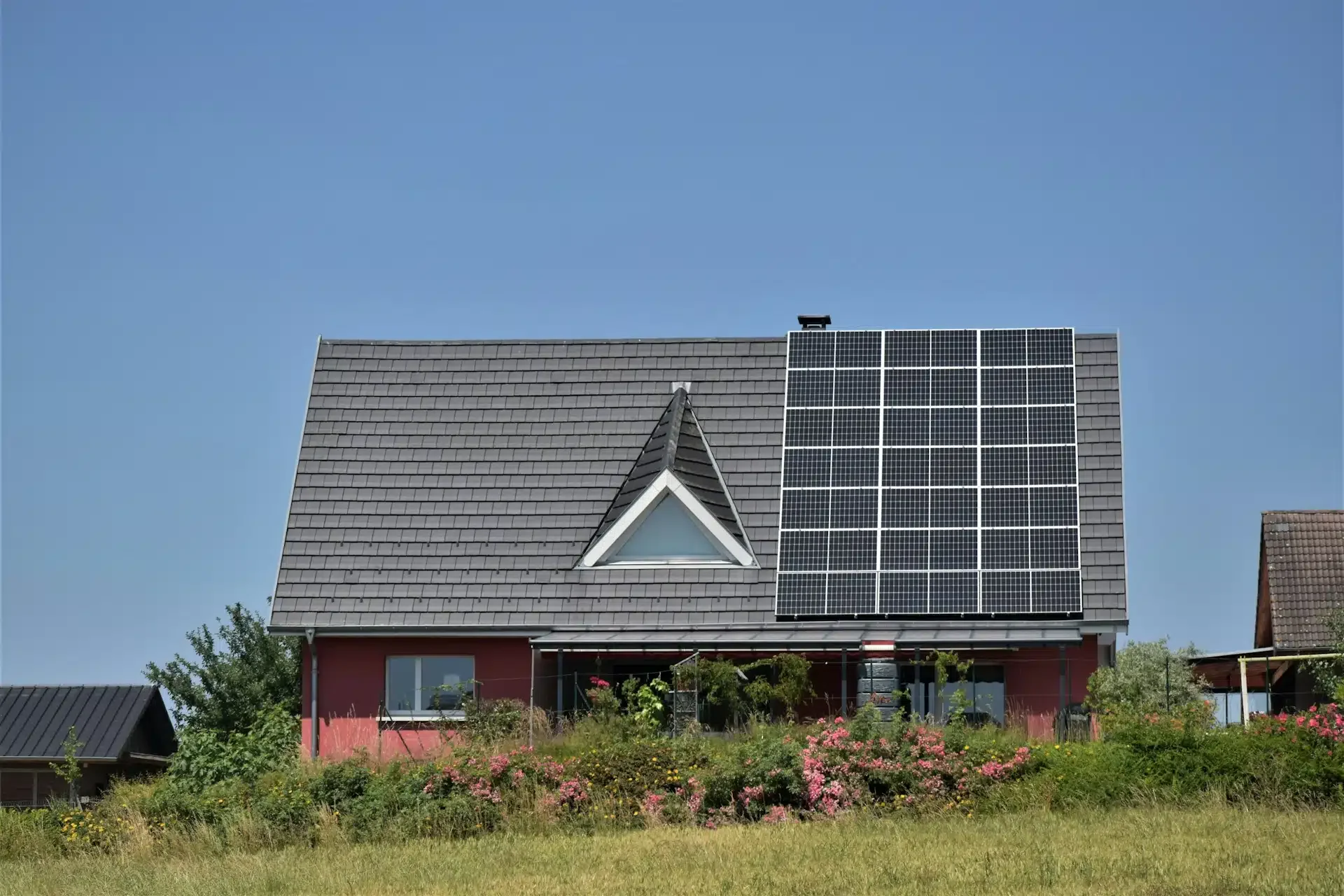
When considering getting solar panels for your home, one question often comes to mind: What is the best angle for solar panels?
In the UK, the angle and direction of your solar panels are key factors in maximising efficiency, as they directly impact the amount of sunlight captured, your energy production, and ultimately, your electricity bills.
That’s why we created this guide. Whether you’re a homeowner or looking for solar panels for a business, understanding the above factors can make a huge difference in how much energy - and savings - you can generate.
The Best Angle for Solar Panels
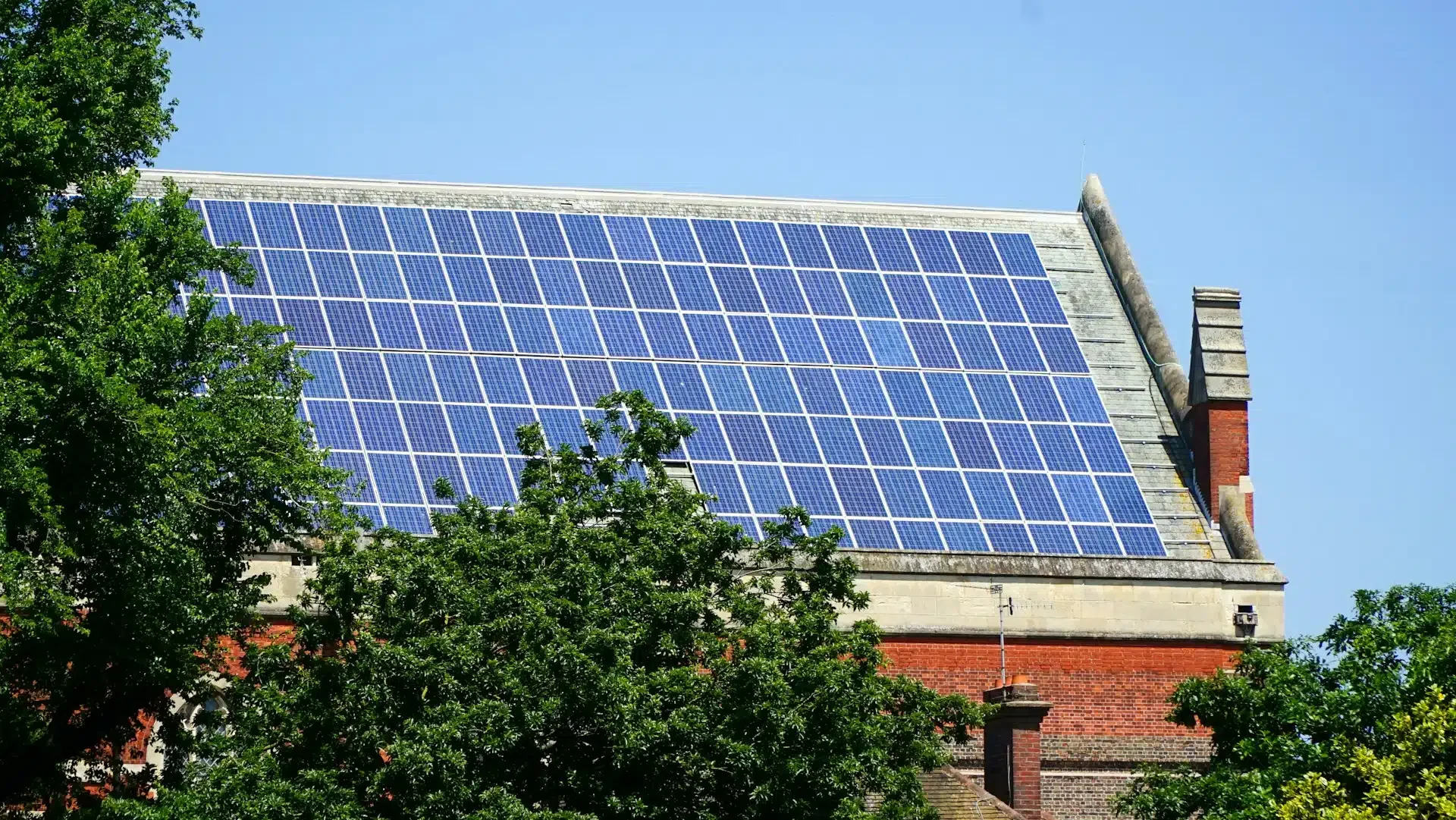
In the UK, optimal tilt angles usually range between 30 and 40 degrees allowing solar panels to capture the most sunlight throughout the year. However, specific angles may vary depending on your location, ensuring panels are aligned for maximum efficiency.
| Region | Recommended Optimal Tilt Angles (Year-Round) |
|---|---|
| London and South East England | 35.9° |
| South West England | 35.8° |
| Northern England | 37.2° |
| Wales | 36.3° |
| Northern Ireland | 37.2° |
| Scotland | 37.8° |
How To Calculate The Optimum Solar Panel Angle
Solar panels capture sunlight differently depending on the season. During summer, when the sun is higher, a tilt around 20 degrees is ideal. In winter, when the sun is lower in the sky, a steeper tilt of around 50 degrees improves energy capture. Some solar mounting systems are adjustable, making it easy to switch between summer and winter tilts.
The general rule of thumb for calculating the optimum solar panel angle is:Subtract 15° from your latitude during summer, and add 15° to your latitude in the winter to get the optimal angles.
While this can optimise your energy production, we wouldn't really recommend seasonal adjustments to the tilt angle - we would recommend setting your solar panels at a fixed angle throughout the whole year, just because it’s less hassle and more practical.
The Best Direction for Solar Panels
When it comes to solar panel direction, the general rule in the UK is that south-facing panels yield the best results. Facing your panels south ensures they receive the most direct sunlight throughout the day.
South-Facing
In the northern hemisphere, including the UK, a south-facing orientation is the most effective choice. This direction aligns with the sun's path, allowing panels to absorb sunlight from morning until evening. South-facing panels tend to deliver the highest solar output, making this orientation ideal for energy generation and reducing electricity bills.
East and West-Facing
If a south-facing roof isn’t an option, east or west-facing orientations can still produce substantial energy, although slightly less than a south-facing setup. East-facing panels capture the most sunlight in the morning, while west-facing panels are more effective in the late afternoon.
Installing panels on both east and west-facing parts of the roof can balance sunlight capture throughout the day.
North-Facing
A north-facing orientation typically isn’t ideal in the UK, as panels receive significantly less direct sunlight, leading to lower energy production. However, advanced solutions, such as high-efficiency panels paired with solar batteries, can help maximise the output of north-facing panels if that’s the only available option.
With these directional considerations, even properties without south-facing roofs can still benefit from solar energy. A professional solar installer, like ourselves, can assess your roof’s layout to determine the most effective configuration for maximising solar panel efficiency.
P4 are specialist solar battery storage installers with a premium product range - and we’re certified Tesla Powerwall installers, so we can design a system that stores more of what you generate and reduces grid reliance.
Why Angle and Direction Matter for Solar Panels
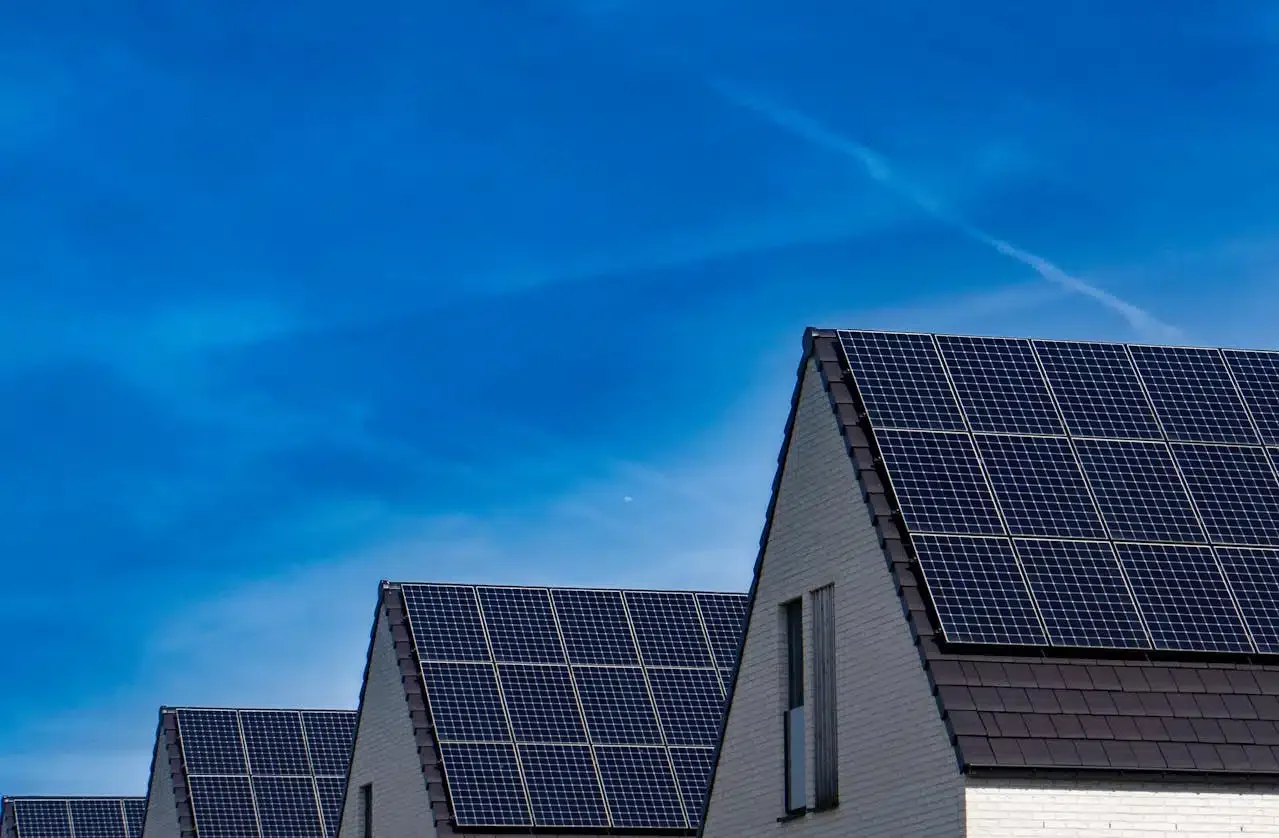
The angle and direction of your solar panels are crucial for maximising solar energy output and efficiency. These factors directly impact how much sunlight your panels can capture, which in turn, affects your overall energy production and potential savings on electricity bills.
Optimal Solar Output
Solar panels work best when they’re positioned to receive the maximum amount of direct sunlight. By aligning panels at the right angle and direction, you can significantly boost their energy generation.
Latitude and Roof Orientation
The UK’s position in the northern hemisphere means that south-facing panels are ideal, as this orientation aligns with the sun’s path. Latitude also affects the optimal tilt angle for solar panels, with regions further north benefiting from slightly steeper angles. For example, panels in Scotland may need a higher tilt angle than those in South East England.
Benefits: Electricity Bills and Energy Independence
By optimising the angle and direction of your solar panels, you increase the amount of solar energy generated, which can reduce reliance on grid electricity and lower your bills. This setup provides a more sustainable and cost-effective energy source for both homes and businesses.
Adjusting Solar Panel Tilt for Maximum Efficiency
For those looking to fine-tune their solar panel setup, adjusting the tilt angle based on the roof type and seasonal changes can further enhance energy efficiency.
Angled Roofs vs. Flat Roofs
If you have an angled roof, the existing roof pitch may already be close to the optimal tilt. Many UK roofs have a “standard” pitch of around 25-40°, which aligns well with the recommended solar panel tilt angles.
For a flat roof, however, a mounting system is typically needed to angle the panels correctly. This allows for a custom tilt, often making a flat roof very flexible in terms of orientation and ideal angle settings.
Adjustable Solar Panel Systems
Some homeowners and businesses choose to invest in adjustable mounting systems, which allow for seasonal tilt adjustments. In summer, a lower tilt angle helps capture the higher sun, while in winter, a steeper tilt captures more sunlight as the sun sits lower in the sky.
Although manually adjusting panels may not be necessary for everyone, an adjustable system can maximise solar energy production year-round.
Overcoming Challenges with Solar Panel Orientation
While the ideal angle and direction are important, some roofs face unique challenges that can impact solar panel performance. Fortunately, there are effective solutions for overcoming these obstacles.
Shaded Roofs
Shade from trees, buildings, or other structures can reduce solar panel efficiency. To minimise this effect, solar panel installers can use micro-inverters or power optimisers, which help panels perform independently of each other. This setup ensures that shaded panels don’t lower the output of the entire system.
Solar Batteries for Energy Storage
In cases where optimal sun exposure isn’t possible (e.g., a north-facing roof), solar batteries can store excess energy produced during peak sunlight hours. This stored energy can then be used during cloudy days or at night, helping to make the most of available solar output.
Adjusting for Less-Than-Ideal Angles
If your roof’s angle or orientation isn’t ideal, professional solar panel installers can assess your options, including specialised mounting systems to create the best tilt or orient panels in multiple directions. This flexibility can help balance sunlight capture throughout the day, even if the roof is partially or fully shaded.
Does your home or business encounter any of these challenges? Get in contact with us today to see how we can help!
Maximising Solar Energy Output and Efficiency
Keeping your solar panel system running efficiently throughout the year involves more than just the right angle and direction. Regular maintenance and a few key strategies can help ensure optimal performance.
Regular Cleaning and Maintenance
Dust, debris, and bird droppings can accumulate on solar panels, reducing their efficiency. Regularly cleaning your panels, especially in areas with higher dust levels, helps maintain clear exposure to sunlight and maximises energy production.
Weather Considerations
In the UK (where cloudy days are common!) making sure panels are positioned at an ideal degree of tilt helps capture even diffused sunlight. High-quality, efficient solar panels are designed to perform in low-light conditions, which makes them effective even during overcast weather.
For more information, read our full guide answering: Do solar panels still work in cloudy weather?
Monitoring and Adjustments
Monitoring systems can track your panels’ output, alerting you to any dips in performance. This allows you to address issues like shading, panel degradation, or angle adjustments as needed, helping maintain consistent solar output over time.
Final Thoughts
Achieving the best angle and direction for your solar panels is essential for maximising their efficiency and harnessing as much energy as possible.
Whether you’re a homeowner or a business owner, an optimal setup tailored to your location, roof type, and environmental conditions can lead to significant energy savings and a reduction in electricity bills.
Even in less-than-ideal conditions, solutions like solar batteries, adjustable mounts, and professional installations can help ensure your solar system performs at its best.
If you’d like to learn more about solar panels, visit our articles page for expert guidance on finding the most effective setup for your property.

Helping Homes & Businesses Across Yorkshire & The North
P4 Solar designs and installs solar panels, battery storage and renewable energy solutions across Yorkshire, Lancashire, Greater Manchester and surrounding areas.
View All Areas We Cover →