
How Do Solar Panels Work? | An Easy-To-Follow Guide
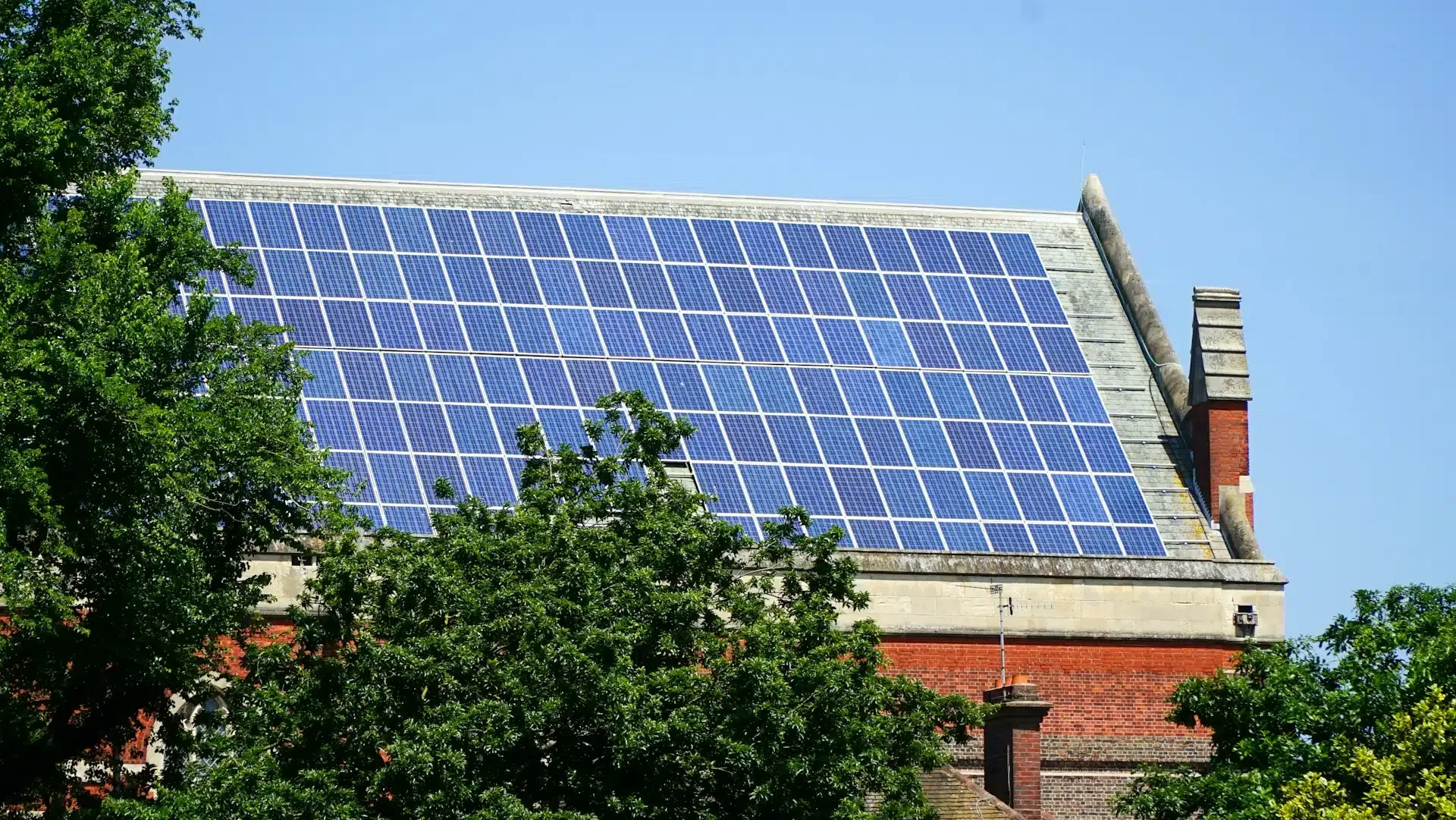
How do solar panels work? At their core, solar panels harness sunlight and convert it into usable electricity through a process known as the photovoltaic effect. This innovative technology has become an increasingly popular solution for homeowners and businesses seeking to reduce energy costs, embrace renewable energy, and lower their carbon footprint.
But how much electricity do they generate? The answer varies depending on factors such as system size, location, and weather conditions. For a more detailed look into energy output, check out this guide on solar energy production.
Ready to make the switch? Contact us to get a free quote and start your journey toward affordable, renewable energy today.
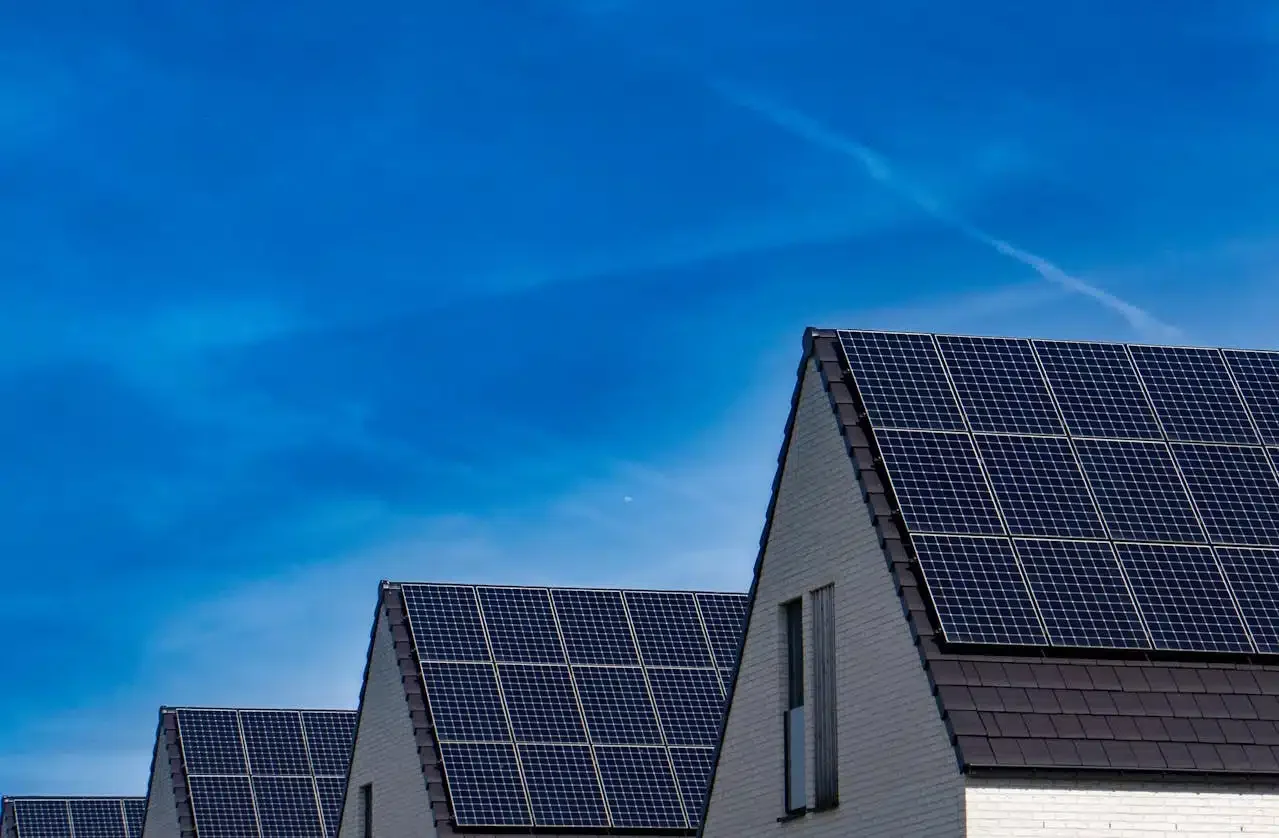
How Do Solar Panels Work?
Solar panels are a clean energy solution that captures sunlight and converts it into electricity through advanced solar technology. Here’s a breakdown of how they work:
Sunlight hits the PV cells, creating electricity.
The electricity flows as DC power into the inverter, where it is converted to AC electricity.
The usable AC electricity is then distributed to power appliances and devices throughout the property.
Any excess energy is either stored in a solar battery or sent back to the grid for others to use.
The Key Components of a Solar Panel System
PV Panels and Photovoltaic Cells
Solar panels are made up of PV cells, which are designed to absorb sunlight and convert it into DC electricity. These cells consist of semiconductor materials like silicon that respond to sunlight by creating an electrical charge.
Solar Panel Inverters
Since homes and businesses use alternating current (AC) electricity, a solar panel inverter is essential for transforming the DC electricity generated by the PV cells into AC electricity. This ensures the energy is usable for everyday applications like running appliances or lighting systems.
Solar Battery Storage
For excess energy generated during sunny periods, a solar battery provides a solution for storage. This stored energy can be used later, such as during cloudy days or at night, ensuring a consistent power supply.
Optional Integrations
Solar panel systems can also be paired with other technologies like heat pumps or hot water systems, further improving their efficiency for both homes and businesses.
How Much Electricity Do Solar Panels Generate?
The amount of electricity generated by solar panels depends on several factors, including the size of the system, location, and weather conditions. Understanding these variables can help you estimate how much energy your solar panel system might produce. For a more detailed explanation, check out this guide we created on how much energy solar panels produce.
But in short, a typical 4kW residential solar panel system in the UK can produce approximately 3,400 kilowatt-hours (kWh) of electricity annually. This is enough to power most household appliances and devices.
Larger systems, often used commercially (20kW to 50kW), can generate upwards of 8,500 kWh per year, providing substantial energy savings for offices, warehouses, and retail spaces.
How Long Do Solar Panels Last For?
Solar panels are built to be durable and long-lasting, with an average lifespan of 25 to 30 years. Over this time, they continue to generate electricity efficiently, although their output may gradually decline by about 0.5% to 1% per year due to natural wear and tear, known as degradation. Most high-quality solar panels come with performance warranties guaranteeing at least 80–90% efficiency after 25 years.
The longevity of your solar panels can be influenced by factors such as maintenance, weather conditions, and the quality of materials used. Regular cleaning and occasional inspections to ensure that components like the inverter and mounting system remain in good condition can help extend their lifespan. With proper care, some solar panel systems have been known to perform efficiently well beyond their typical lifespan.
What Are Solar Panels Made Of?
Solar panels are made up of several key components designed for efficiency and durability, ensuring they perform reliably for decades.
Photovoltaic Cells (PV Cells)
The core of a solar panel is its photovoltaic cells, which convert sunlight into electricity using the photovoltaic effect. These cells are typically made from silicon, a sustainable and recyclable semiconductor material. There are three main types of PV cells:
Monocrystalline: High efficiency, sleek black appearance.
Polycrystalline: Lower cost, blue speckled finish.
Thin-Film: Lightweight and flexible, though less efficient.
Protective Layers
The top layer is tempered glass, which protects the PV cells from harsh weather while allowing sunlight to pass through efficiently. Encapsulation layers made from polymers keep the cells secure and shield them from moisture and dirt. The backsheet adds an extra layer of protection and electrical insulation.
Aluminum Frame
The aluminium frame provides strength and stability, helping panels withstand strong winds and heavy snow. It also simplifies the installation process.
Wiring and Connectors
Conductive metals like copper connect the cells, transporting the electricity generated by the panel.
How Long Does Solar Panel Installation Take?
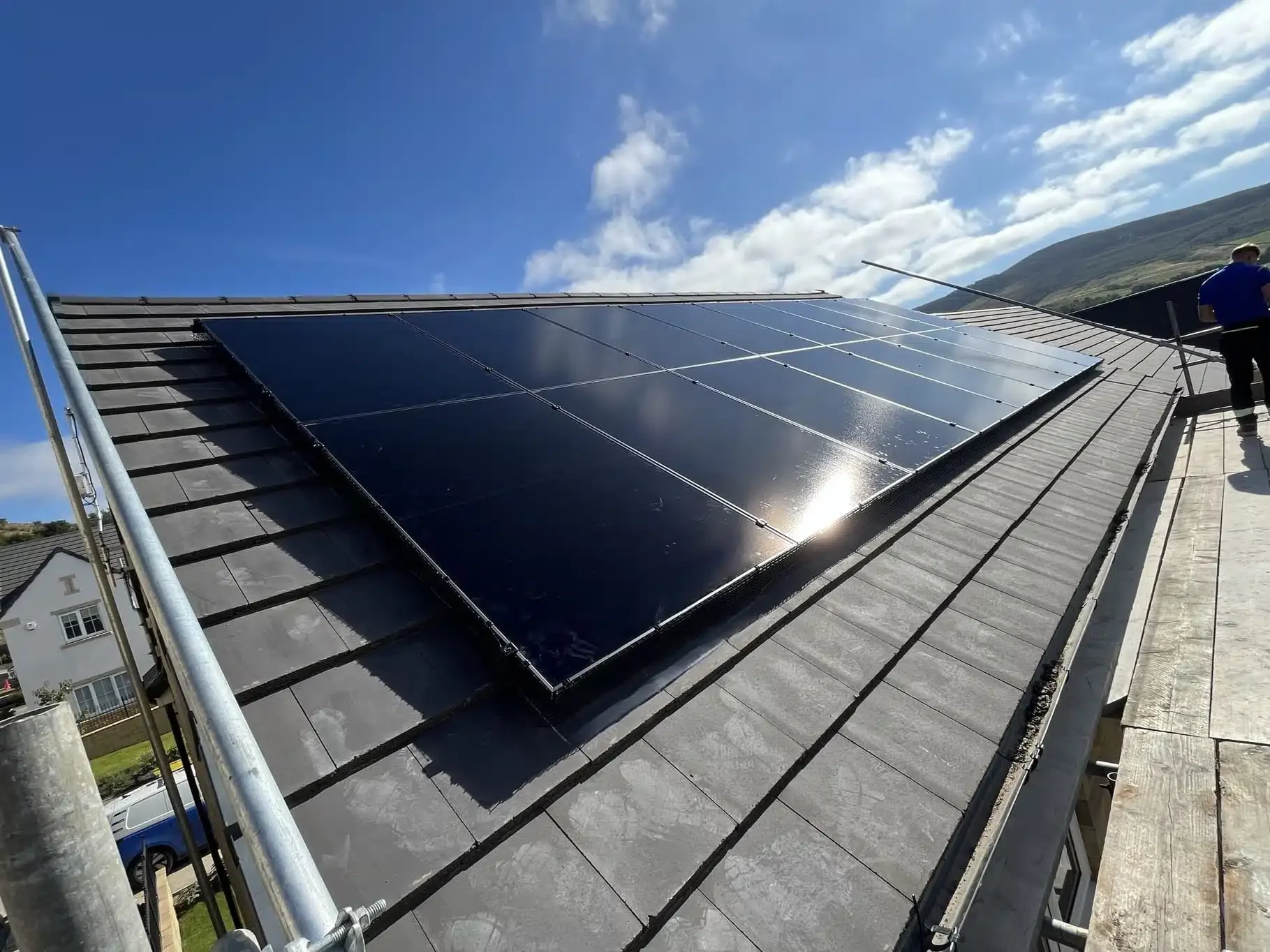
The installation of solar panels is a straightforward process that typically takes as little as 1 day for residential systems, depending on the size of the system and the complexity of the roof. Larger commercial systems usually a take little longer. For a better idea of how long a commercial installation can take, contact us today!
The process begins with an initial site assessment, during which installers evaluate your roof’s orientation, tilt, and structural integrity.
After the panels and necessary equipment arrive, the actual installation involves mounting the panels on the roof, connecting the inverter and battery storage (if applicable), and integrating the system into your home or business’s electrical grid. Once installed, the system is tested to ensure everything is working correctly before being activated.
Preparation, including obtaining permits or approvals, may take additional time, but professional installers handle this aspect to streamline the process. With a skilled team, the installation can be completed efficiently with minimal disruption to your daily routine.
Benefits of Solar Panels for Homeowners and Businesses
Solar panels offer a range of advantages, from financial savings to environmental benefits. Whether you’re a homeowner looking to reduce energy costs or a business aiming to improve sustainability, solar energy systems provide a smart and effective solution.
Save Money on Energy Bills
One of the most immediate benefits of solar panels is the potential for significantly lower energy bills. By generating your own electricity, you reduce your reliance on the grid, resulting in considerable savings over time.
These savings often offset the initial cost of installation, making solar panels a financially sound long-term investment. Additionally, the UK’s Smart Export Guarantee (SEG) scheme allows homeowners and businesses to earn money by selling excess electricity back to the grid.
Reduce Your Carbon Footprint
From an environmental perspective, solar panels play a very important role in reducing carbon footprints. By shifting to solar energy, you decrease reliance on fossil fuels, which helps cut greenhouse gas emissions.
Fossil fuels like oil, coal, and natural gas are all used in our day-to-day lives. For example, we use natural gas to heat our homes, and coal to power our manufacturing industry and generate electricity.
Achieve Energy Independence
Energy independence is another key advantage of solar panels. By generating and storing your own electricity, especially with the addition of solar battery storage, you become less dependent on the national grid.
This not only provides greater control over your energy use but also ensures resilience during peak demand periods or power outages. For businesses, this can mean uninterrupted operations, while for homeowners, it provides peace of mind.
Final Thoughts
Solar panels are a smart investment for homeowners and businesses, offering sustainable energy, cost savings, and reduced reliance on the grid. By harnessing sunlight through the photovoltaic effect, they generate clean electricity to power homes and businesses efficiently for decades.
A typical 4kW residential solar panel system in the UK generates around 3,400 kWh of electricity annually - enough to power most household appliances. Larger commercial systems (20kW to 50kW) can produce over 8,500 kWh per year, delivering substantial energy savings for offices, warehouses, and retail spaces. Paired with solar battery storage, solar panels ensure reliable energy use day and night, even on cloudy days.
Made from durable materials like photovoltaic cells, tempered glass, and aluminium frames, solar panels last 25–30 years with minimal maintenance. Quick installation, typically completed in 1-3 days, allows you to start enjoying the benefits almost immediately.
From reducing your carbon footprint to contributing to green energy goals, solar panels provide both environmental and financial returns. Contact us to get a free quote and take the first step toward a cleaner, more cost-effective future.

Helping Homes & Businesses Across Yorkshire & The North
P4 Solar designs and installs solar panels, battery storage and renewable energy solutions across Yorkshire, Lancashire, Greater Manchester and surrounding areas.
View All Areas We Cover →