
Is My Home Suitable for Solar Panels?
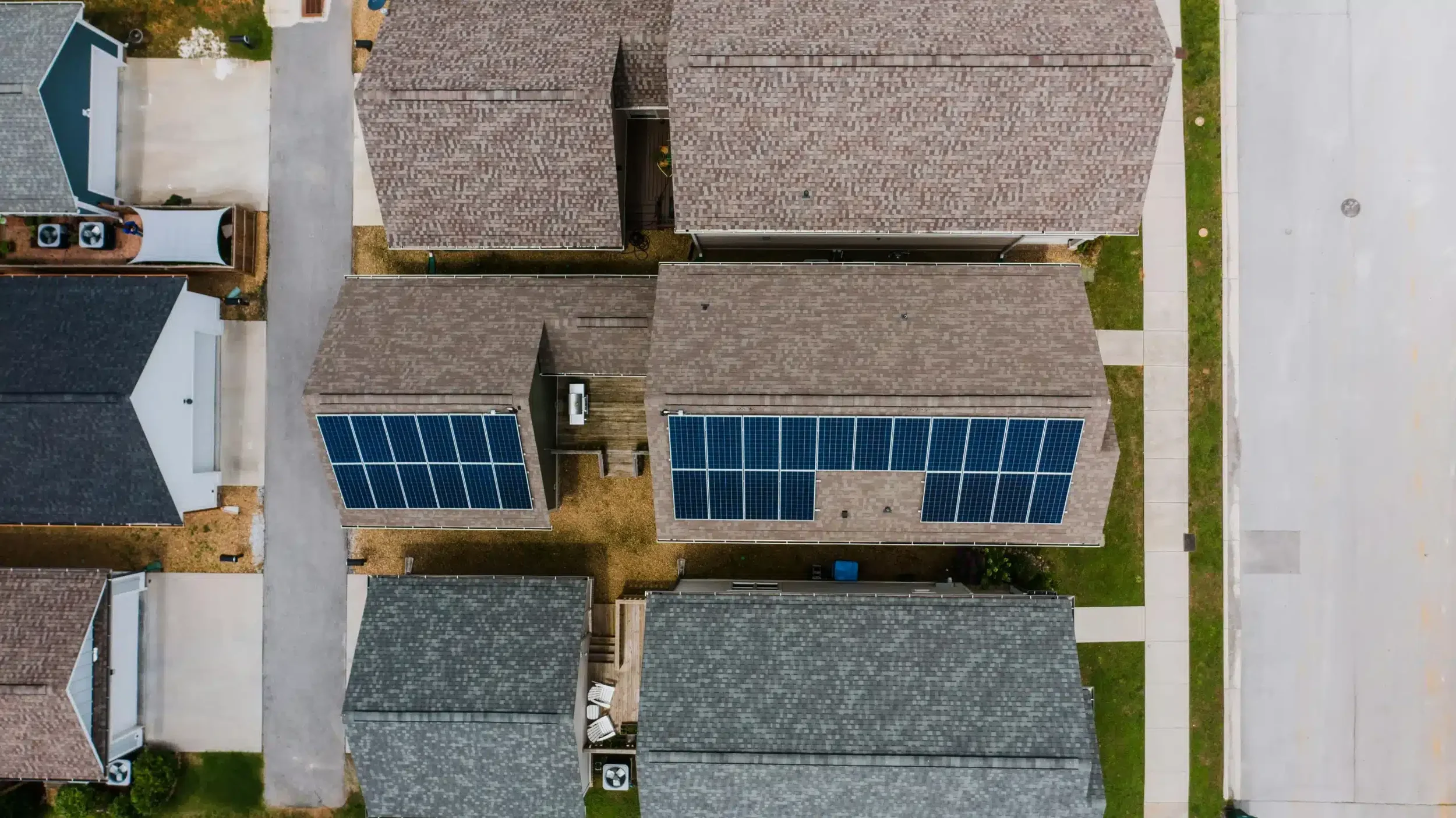
Is my home suitable for solar panels? It’s often the first hurdle homeowners hit when exploring renewable energy. Many people assume you need the “perfect” roof – south-facing, sunny, and spotless – to benefit. The truth is far more encouraging: solar panels can work for a wide range of homes, even if your roof isn’t textbook ideal.
In this guide, we’ll walk you through the real factors that decide suitability and give you the confidence to know whether home solar solutions could be a good fit for your property.
Thinking about solar for your home?
The quickest way to find out if your home is suitable is with a free, no-obligation consultation. Our experts will check your roof, talk through your energy needs, and show you exactly what’s possible for your property.
What Makes a Home Suitable for Solar Panels?
When people ask “is my house suitable for solar panels?” they’re really asking whether their roof, home, and energy use can support a system that works efficiently. The encouraging truth is that most UK properties are suitable, but some factors do play a bigger role than others.
Suitability is about whether the key elements line up well enough to make solar panels a smart choice for your home. Things like the direction your roof faces, how much shade it gets, and even the age of your tiles all matter – but none of them should be deal-breakers on their own.
To make it simple, we’ve broken down the main considerations below. Each one explains what installers look for, why it matters, and what it means for your property.
Roof Orientation and Tilt Angle 🧭
One of the first things that comes up when people ask about roof suitability is direction. In the UK, a south-facing roof is often seen as the “gold standard” because it soaks up the most daylight across the day. However, east- and west- facing roofs can still perform well, typically receiving around 80% of the annual light energy compared to a south-facing roof.
That’s because while a south-facing roof captures sunlight steadily from morning through evening, east-facing roofs catch more of the rising sun, while west-facing roofs pick up the afternoon and evening light. Over the course of a year, that still adds up to plenty of usable energy.
Tilt plays a role too. A roof pitch between 30° and 40° is often considered the sweet spot because it lines panels up nicely with the sun’s path across the sky. But, like the direction, it doesn’t have to be perfect. Roofs that are a little shallower or steeper can still deliver strong results, and professional installers can tweak the mounting system to get the best angle.
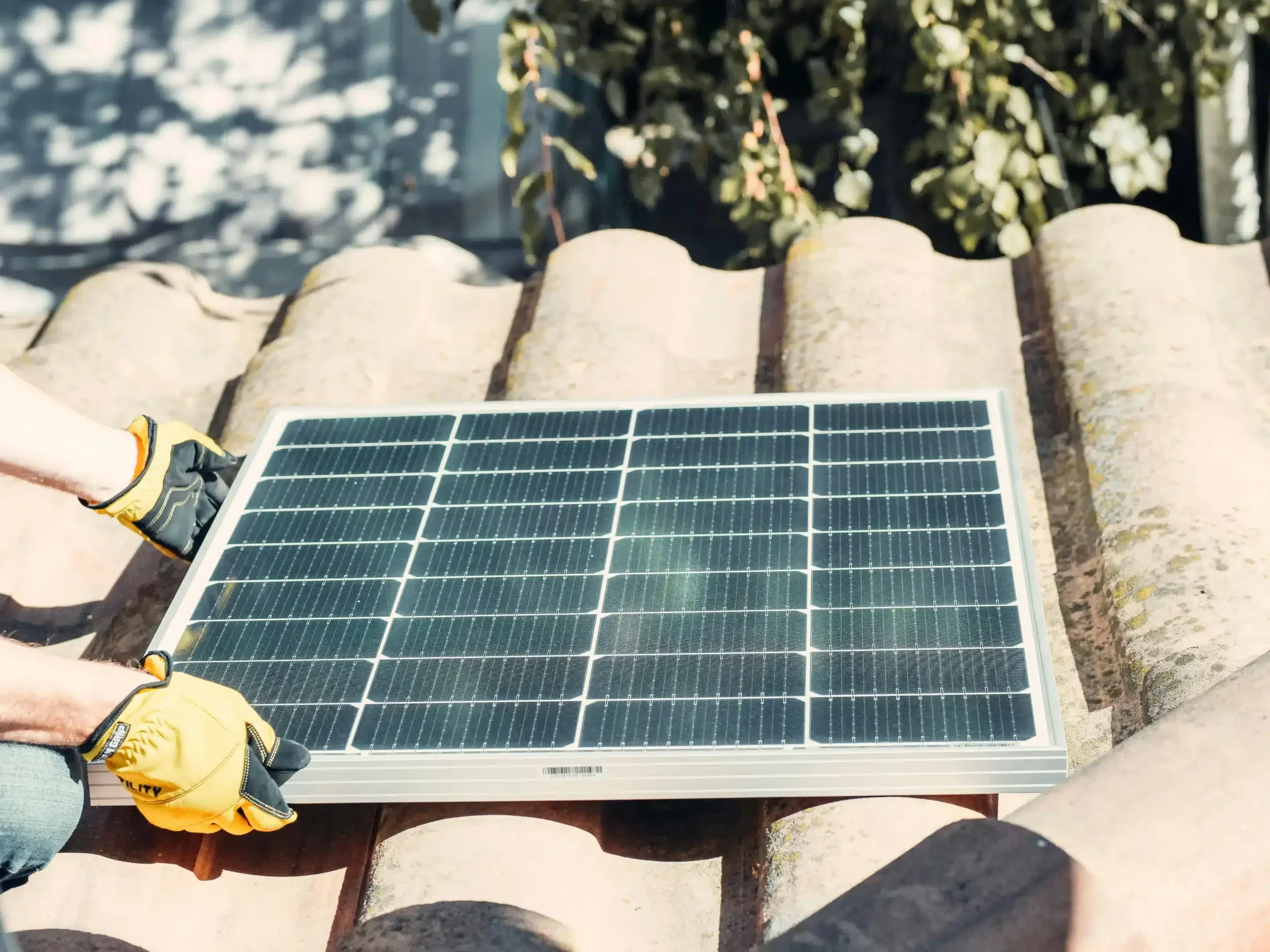
Even flat roofs, which many homeowners assume aren’t suitable, can work brilliantly. By using angled mounting frames, panels can be tilted towards the sun to boost performance and reduce the chance of dirt or rainwater building up. The flexibility of modern systems means very few roofs are ruled out just because of their pitch.
So, is my roof suitable for solar panels if it doesn’t face directly south? Absolutely. Orientation and tilt might affect efficiency slightly, but they rarely rule out a home. The real test is whether your roof gets enough daylight exposure overall – and that’s exactly what a professional survey will confirm.
👉 Curious about the best angle for your roof? Check out our full guide: What Is the Best Angle for Solar Panels in the UK?
Shading and Sunlight Exposure ☀️
Shading is one of the biggest worries homeowners have about solar – and understandably so. Trees, chimneys, or neighbouring buildings can all cast shadows across your roof, and it’s natural to wonder if that means solar panels won’t work.
The reality is that a little shade doesn’t always mean a big problem. During a roof shading analysis, installers map how sunlight moves across your roof at different times of day and throughout the year. This helps them see whether shading is only a minor inconvenience or something that needs a clever design fix. Often, it’s less of an issue than people expect.
With the data in hand, panels can be placed on the brightest sections of the roof, and modern technology like panel-level optimisers ensures that if one panel is shaded, it won’t drag down the whole system. These small adjustments mean that many homes with partial shading can still generate plenty of solar power.It also helps to remember that solar panels generate electricity from daylight, not direct sunshine. That means they’ll still produce power on cloudy days, and your system’s performance is measured over the course of a year, not hour by hour. What matters most is the total sunlight exposure your roof receives across the seasons – and that’s something professional assessments are designed to uncover.
Roof Size, Space, and Layout 📐
When people picture solar panels, they often imagine needing a huge roof with acres of space, but you don’t need a mansion-sized roof to make solar worthwhile. In fact, most UK homes have more than enough room to fit a system that can cover a good chunk of their electricity needs.
As a guide, a typical home might need around 8-12 panels for a 3-6 kW system, which works out at about 15-20m² of usable roof space. Larger households with higher energy use may require closer to 14-17 panels for a 6-8 kW system.
Layout matters just as much as square metres. Features like chimneys, skylights, and dormer windows can break up your roof space, limiting how many panels can sit neatly in one row. Shaded sections - for example, beneath a tall tree - may not be worth using at all.
This is where design flexibility comes in:
Split arrays: Panels don’t all need to be on one roof face. You can place some on the front and some on the back, or split them across east and west to capture sun throughout the day.
Working around obstructions: Installers design arrays to “frame” features like chimneys, vents, or skylights without wasting space.
High-efficiency panels: If roof area is limited, more powerful panels generate more energy per square metre.
Smaller systems still count: Even if you don’t have space for 15+ panels, a smaller setup can still make a meaningful dent in your bills.
So instead of asking “do I have a big enough roof?”, the better question is “how much of my roof can be used effectively?”. That’s exactly what a tailored P4 Solar survey will confirm - giving you clarity for your property, not a one-size-fits-all estimate.
👉 Want to explore how panel counts and household size line up? Check out our full guide: How Many Solar Panels Do I Need for My UK Home?
Roof Age, Material, and Condition 🏠
A solar panel system is designed to last for decades, so your roof needs to be in good enough condition to support it for the long haul. If your roof is coming to the end of its life, or is already in need of repairs, it’s usually best to tackle that first before adding solar on top.
Roof age and condition matter because panels add weight – but not nearly as much as people often think. A typical residential panel weighs between 18 kg and 23 kg, depending on size and model. Once installed with mounting equipment, the load usually works out at around 10-12 kg per square metre. That’s something most modern, well-maintained roofs can comfortably handle, but installers will always run a structural check during your survey to be sure.
Roof material suitability also plays a role:
Tile and slate roofs – The most common in the UK and usually straightforward to work with.
Metal roofs – Durable and often very well-suited to solar, sometimes even easier to install on.
Flat roofs – Panels can be mounted on angled frames to achieve the right tilt.
Thatched or very fragile roofs – More challenging and may require specialist solutions.
If you’re asking “is my roof suitable for solar panels if it’s older or a little worn?” the answer is usually yes - provided it’s structurally sound. And if you’re planning to re-roof in the next few years, many homeowners find it cost-effective to do both projects together - minimising disruption and making sure the roof is future-proofed for decades of solar generation.
The bottom line: panels don’t demand a “perfect” roof, just a safe, stable one. A professional survey will confirm whether your roof is ready as it stands or if a little prep work is needed first.
Household Energy Needs ⚡
Your roof isn’t the only factor that decides whether solar is a good fit – your household’s energy usage matters too. The more electricity you use, the more value you can get from generating your own power.
To give you an idea:
Smaller homes, like a 1–2 bedroom flat, typically use between 1,800 and 2,200 kWh a year.
A 2–3 bedroom family home might use somewhere in the region of 2,700 to 3,900 kWh annually.
Larger properties, such as 4–5 bedroom houses, often use between 4,100 and 6,700 kWh each year – sometimes more if there are energy-hungry appliances or an EV charger in the mix.
(Source: Average Electricity Usage by Ofgem)
The higher your usage, the bigger the system you’ll need – and the more potential savings you can unlock. This is also where options like solar battery storage come in. If much of your energy use happens in the evening (after the sun’s gone down), a battery lets you store what your panels generate during the day and use it later, instead of exporting it back to the grid.
In short, your usage patterns help answer not just “can I have solar panels?” but “what kind of system makes sense for me?” That’s why a proper survey looks at both your roof and your energy habits together.
Homeownership and Permissions 📝
Your roof might be suitable for solar, but another part of the puzzle is whether you actually have permission to install it. The rules are simpler than many expect - in most cases, homeowners don’t need planning permission at all. Still, there are a few situations where extra checks are required.
Homeowners – If you own your property outright, solar panels usually fall under permitted development. As long as they don’t extend more than 200mm from the roof, sit lower than the highest point, and aren’t considered to spoil the building’s appearance, you can typically install without formal permission.Leaseholders – If your property is leasehold, you’ll need the freeholder’s consent before any installation. This is especially important in flats or apartments where roof space is shared.
Renters – For tenants, solar isn’t impossible, but it does rely on landlord approval. Because solar is a long-term change to the property, landlords don’t often agree unless they see clear benefits.
Exceptions – Certain properties do require planning permission:
Listed buildings
Homes in conservation areas, national parks, or Areas of Outstanding Natural Beauty
Wall-mounted systems facing a highway
Freestanding panels in gardens or open land above set limits (e.g. taller than 4m, or covering over 9m²)
For most UK homeowners, solar is possible. But it’s always worth checking early, especially if your home falls into one of the exceptions above. And by choosing an accredited installer like P4, you can relax knowing all planning and building regulations are covered from the start.
👉 For a full breakdown of the rules and how they apply to your property, read our guide: Do I Need Planning Permission for Solar Panels?
How to Check Your Home’s Suitability
Wondering whether your roof ticks all the right boxes? While this guide gives you a solid overview, the most reliable way to know if your home is suitable for solar panels is to follow a few simple steps. Some checks you can do yourself, and others are best left to the experts:
Do a quick self-check – Look at your roof’s direction, angle, and shading. South-facing is ideal, but East/West and North can still work well. Watch out for large trees, chimneys, or extensions that might cast shade.
Review your energy bills – Your annual electricity usage (measured in kWh) will help decide what size system you need. Higher usage often means more panels.
Measure your roof space – Even a rough idea of the usable area (avoiding chimneys, skylights, and shaded spots) helps. Remember, panels can often be split across different sides of the roof.
Book a professional survey – This is where things get accurate. An installer will carry out a roof shading analysis, check the structure and condition of your roof, and design a system that matches your energy needs.
Ready to see if your roof is solar-ready? 🔋
Book your free consultation today and let P4’s experts check your home’s solar potential with no obligation.
FAQs: Is My Home Suitable for Solar Panels?
Can I have solar panels if my roof has skylights?
Yes, you can have solar panels if your roof has skylights. Installers simply design the array around them, making use of the available space without blocking natural light. In some cases, panels can be split into smaller groups across different roof sections to maximise efficiency. A survey will confirm how many panels can be fitted without affecting your skylights.
Is my home suitable for solar panels if it’s a terraced house?
Yes, a terraced house can be suitable for solar panels. As long as your roof has enough usable space and gets good daylight exposure, solar works just as well on terraced homes as it does on detached or semi-detached properties. Installers will check shading from neighbouring houses and design the system to fit neatly within your roof area.
Can I have solar panels on a conservatory roof?
Sometimes. Most conservatory roofs made of glass or polycarbonate aren’t strong enough to support solar panels. However, if your conservatory has a solid tiled roof or has been reinforced, panels can sometimes be fitted safely. If your conservatory roof isn’t suitable, panels can still be installed on the main house roof, a garage, or another outbuilding.
Is my roof suitable for solar panels if a chimney blocks part of it?
Yes, your roof can still be suitable for solar panels if a chimney blocks part of it. Installers will design the system to avoid shaded areas, either by placing panels on the sunniest sections or using optimisers so one shaded panel doesn’t affect the rest. A roof shading analysis will confirm the best layout for maximum performance.
Is my house suitable for solar panels if there are tall buildings nearby?
Sometimes – it depends on shading. Your house can still be suitable for solar panels even if tall buildings are close, but what matters is how much daylight your roof actually gets.
If shadows only fall for part of the day, panels can still perform well.
Installers use shading analysis to measure yearly light exposure.
Panels can be positioned on the least-shaded areas or fitted with optimisers so one shaded panel doesn’t affect the rest.
A professional survey is the quickest way to confirm if nearby buildings will limit your roof’s solar potential.
Is my roof suitable for solar panels if it’s multi-level?
Yes, a multi-level roof can still be suitable for solar panels. Panels can be installed on different roof sections, provided each area has enough sunlight exposure. Installers often design split arrays across various levels to make the most of available space, ensuring the system works as a single efficient setup.
Can I have solar panels on a council house roof?
It depends on your council and the property. Many UK councils fit solar panels to council homes via energy-saving programmes, but you’ll usually need council approval and a suitable roof.
Local policy: some councils fund/allow installs; others don’t
Roof checks: space, structure, shading
Permission: tenants can’t install without approval; schemes are council-led
Next step: contact your housing officer or council energy team to ask about eligibility and upcoming schemes.
Final Thoughts
So, is your home suitable for solar panels? Chances are, yes – and probably more than you think. We’ve installed systems on homes with chimneys, dormers, shading from trees, even smaller terraced roofs, and they’re all generating clean energy today. The “perfect roof” is a myth. What really matters is daylight, smart design, and a team that knows how to make the most of your space.
At P4 Solar, we believe every home deserves the chance to cut bills and carbon with solar. That’s why we don’t deal in guesswork or one-size-fits-all packages. We look at your roof, your energy use, and your goals, then design a system that actually works for you. That way, you’re not wondering if your roof is suitable – you’ll know for sure.
Ready to find out?
Book your free consultation today. We’ll give you honest answers about your home’s solar potential.
Explore More with P4 Solar
🏠 Solar Panels for Home – cut your household energy bills and generate clean, renewable power.
🏢 Solar Panels for Business – reduce operating costs and meet sustainability goals with commercial solar.
🔋 Solar Battery Storage – store excess energy for use at night or during peak times to boost savings.

Helping Homes & Businesses Across Yorkshire & The North
P4 Solar designs and installs solar panels, battery storage and renewable energy solutions across Yorkshire, Lancashire, Greater Manchester and surrounding areas.
View All Areas We Cover →