
Best Batteries for Solar Panels: UK Homeowner’s Guide
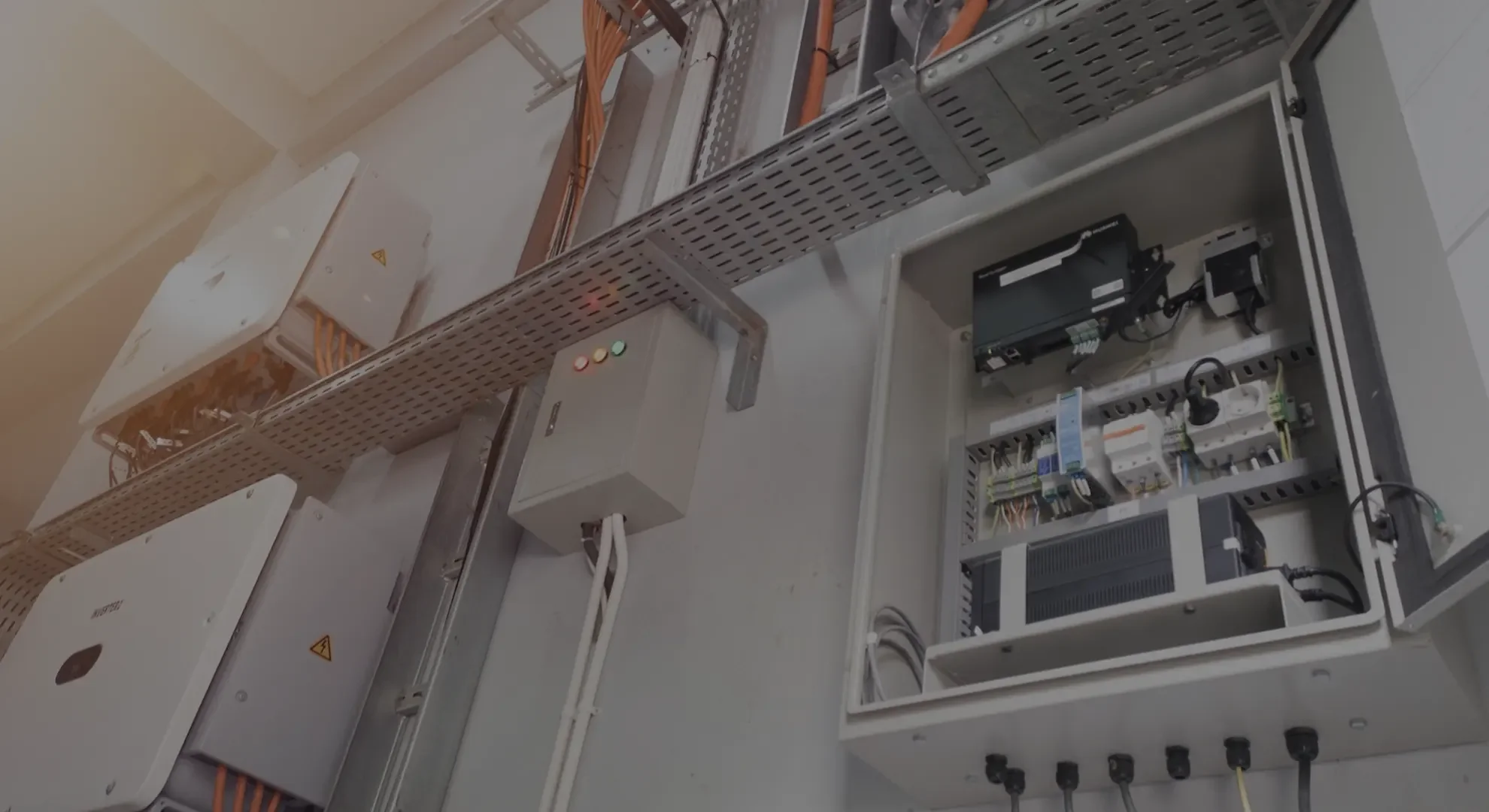
The best batteries for solar panels help you use more of your own energy, cut reliance on the grid, and protect your home from rising electricity prices. But finding the right one can be confusing — lithium-ion, lead acid, deep cycle, backup power, cycle life, warranties… and every brand claims to be “the best”. What most UK homeowners really want to know is: which battery will store my solar effectively, last for years, and actually save me money?
In this article, we’ll explain what makes a great solar battery, compare the best battery for storing solar power across different budgets and home types, and share practical tips to help you get the most from your system.
At P4 Solar, we’ve designed and installed thousands of solar and battery systems across the UK. Our recommendations are based on years of expertise, so you can make a confident, informed choice.
Power Your Home the Smart Way
A great solar battery can transform how your home uses energy. If you’re ready to explore your options, our team at P4 Solar can help you choose the right system for your budget, usage, and long-term goals.
💡 Get your free, no-obligation quote today and find out which solar battery is the best fit for your home.
The Best Solar Storage Batteries for Homes in 2026
There’s no single “perfect” battery for every home – the best batteries for solar panels depend on your energy usage, budget, and whether you want backup during power cuts or just better bill savings. Below, we’ve picked out some of the best solar power storage batteries available in the UK right now, based on capacity, reliability, warranty, and our years of experience installing solar battery systems.
1. Tesla Powerwall 3: Best Overall Battery for Most Homes
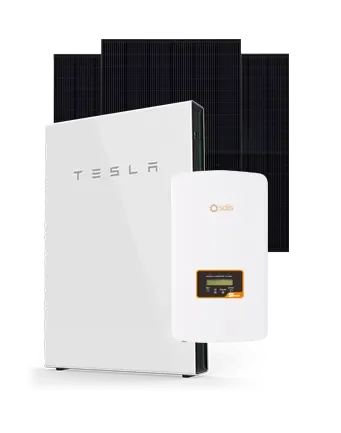
For most households, the Tesla Powerwall 3 is the strongest all-round choice. It delivers high battery capacity, fast charge/discharge rates, excellent energy density, and one of the most intuitive apps on the market.
With integrated thermal management and a robust operating range, it also performs well in the colder UK climate – a key factor for long-term battery lifespan and efficiency.
Why it stands out:
13.5 kWh of usable capacity – ideal for evening and overnight use
Up to 11.04 kW of continuous AC output (UK model), enough to comfortably support high-demand loads such as EV chargers and heat pumps
Strong cycle life and 10-year warranty, with UK installers typically guaranteeing around 80% remaining capacity after 10 years
Very low maintenance requirements and no noticeable fall-off in winter performance
Whole-home backup capability for power cuts (subject to correct design, DNO approval and gateway hardware)
At a glance:
Chemistry: Lithium-ion (with advanced battery management)
Capacity & power: Medium–large home coverage; supports high-demand loads with up to 11.04 kW continuous power per unit
Cycle life & warranty: Daily cycling for 10+ years under Tesla’s warranty
Installation & temperature: Indoor or outdoor; excellent performance in cold weather
Best for: Homeowners who want a premium, “fit and forget” solar energy storage solution with a class-leading app
If you want the best combination of reliability, longevity and ease of use, the Powerwall remains the benchmark.
➡️ Tesla Powerwall Installation
2. GivEnergy All-in-One: Best Value Alternative
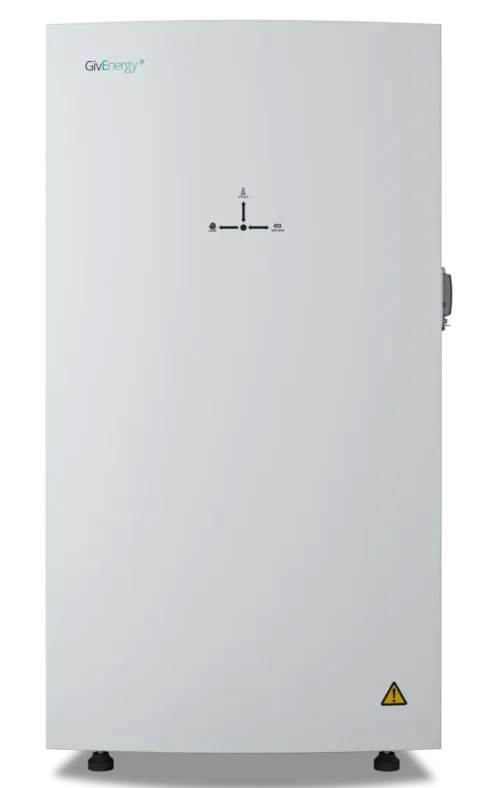
For homeowners wanting premium performance without Tesla pricing, the GivEnergy All-in-One offers excellent value. It uses lithium-iron-phosphate (LiFePO₄) chemistry for safety and very long cycle life, and it integrates neatly with GivEnergy’s hybrid inverters. The unit includes 13.5 kWh of usable storage, comparable to a Powerwall 3 in capacity.
What homeowners like most is the balance of cost, performance and flexibility — ideal for maximising solar energy storage and cutting bills.
Why it stands out:
Excellent value per usable kWh
Manufacturer-rated 100% depth of discharge
Strong cold-weather performance and indoor/outdoor suitability
UK-based brand with solid support
Great choice for 3-4 bedroom homes wanting a smart, scalable system
At a glance:
Chemistry: LiFePO₄ deep cycle battery
Capacity & power: 13.5 kWh usable with up to around 7.2 kW peak AC output (about 6 kW continuous), giving similar storage to a Powerwall at a lower price point
Cycle life & warranty: Long cycle life with 10-12 year warranty options
Installation & temperature: Designed with UK garages/utility rooms in mind
Best for: Homeowners wanting strong performance and cost efficiency
This is often the best fit for families who want long-term reliability without overspending.
3. Puredrive PureStorage II: Best UK-Designed Battery
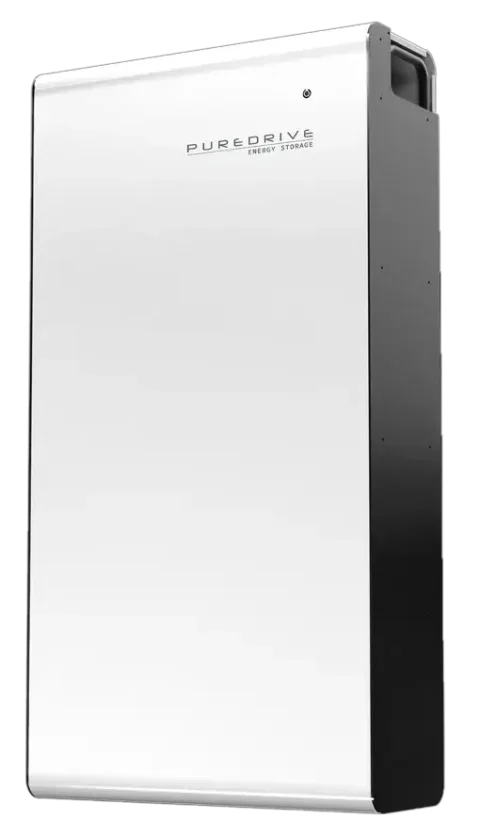
If you prefer a UK-built system, Puredrive’s PureStorage II line is a brilliant option. Designed for the UK climate, these batteries handle cold garages and variable temperatures exceptionally well – something many people overlook when choosing storage.
Using LiFePO₄ chemistry, they deliver very high cycle life, great stability, and strong cost efficiency without compromising safety.
Why it stands out:
Up to ~10,000 cycles – one of the best long-term performance profiles
Modular units (5 kWh and 10 kWh), ideal for growing households
Wide operating temperature range for garages/outbuildings
Simple installation and low maintenance
Very good option for maximising battery lifespan
At a glance:
Chemistry: LiFePO₄ battery engineered for long-life daily cycling, with UK-optimised thermal management.
Capacity & power: Modular 5-10 kWh units with strong discharge rates — easy to scale for homes that use a lot of evening energy.
Cycle life & warranty: Up to ~10,000 cycles depending on model — one of the longest-lasting home batteries available today.
Installation & temperature: Built for UK conditions: excellent performance in unheated garages, outbuildings and colder installations.
Best for: Homes wanting a UK-designed, ultra-reliable battery that delivers exceptional lifespan and stability in the British climate.
Puredrive suits homeowners who want a UK-manufactured, future-proof system built to last.
4. Fox ESS Energy Cube: Best Modular System
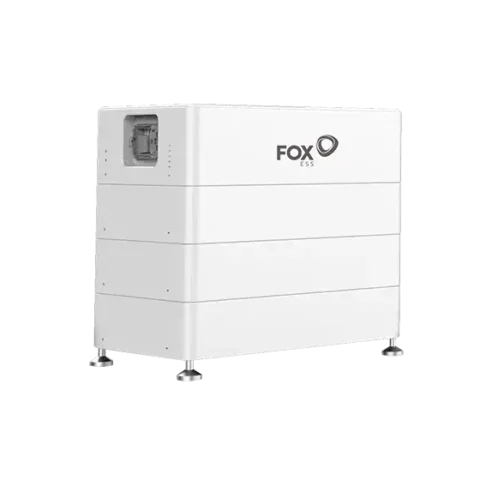
The Fox ESS Energy Cube is perfect if you want a battery you can expand over time. Each stackable module adds around 2.8–3 kWh of usable energy, making it ideal for homeowners who expect their energy use to grow – for example, adding an EV later.
With strong round-trip efficiency and good performance in cold weather, it’s one of the best modular systems on the market.
Why it stands out:
Scalability – ideal for evolving energy needs
High efficiency and fast charge/discharge capability
LiFePO₄ chemistry for strong cycle life and safety
Great option for medium to larger homes
Pairs well with many hybrid inverters
At a glance:
Chemistry: LiFePO₄ modular system
Capacity & power: Start small and expand; flexible power depending on stack size
Cycle life & warranty: Designed for frequent cycling with long-term warranties
Installation & temperature: Stackable floor-mounted design; suited to utility rooms/garages
Best for: Homes that want flexible, future-proof solar energy storage that can be expanded later
If you want flexibility without committing to a huge system from day one, the Energy Cube is a smart choice.
5. Pylontech US5000: Best Battery for Solar Off-Grid Systems
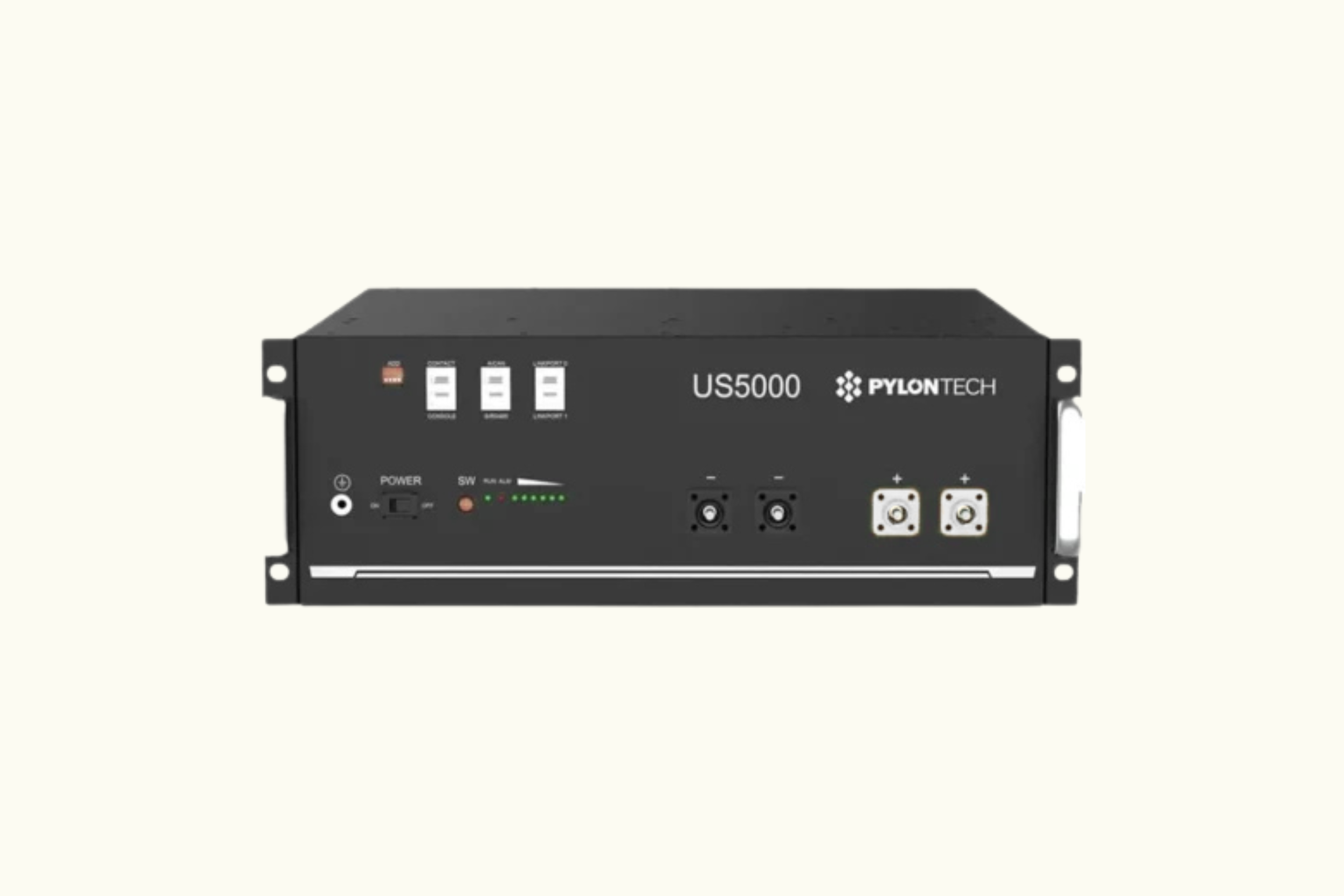
For off-grid or semi-off-grid setups – cabins, outbuildings, rural properties – the Pylontech US5000 is one of the most reliable deep-cycle lithium systems available.
Built around LiFePO₄ chemistry, it offers high stability, long cycle life, and excellent voltage compatibility with many off-grid and hybrid inverters.
Why it stands out:
Designed for heavy daily cycling
Very strong depth of discharge (typically 80–95%)
High modular scalability (perfect for large storage banks)
Reliable in lower temperatures
Great balance between performance and cost
At a glance:
Chemistry: LiFePO₄ deep cycle battery built for heavy, regular cycling in off-grid and hybrid systems.
Capacity & power: Around 4.8 kWh usable per module with solid discharge capability — designed to be stacked into large banks for higher loads.
Cycle life & warranty: High cycle count (typically 6,000+ cycles at high depth of discharge), making it ideal for daily off-grid use over many years.
Installation & temperature: Rack-mounted format that works well in plant rooms and insulated sheds, with dependable performance in cooler UK spaces.
Best for: Rural or off-grid setups that need robust, scalable storage rather than slick apps – cabins, outbuildings and properties with more demanding autonomy requirements.
This is often the top choice for customers wanting deep cycle reliability without paying for unnecessary “smart home” features.
Choosing Your “Best” Depends on Your Home
Every battery above is a strong contender – but the best battery for your home depends on:
Your daily energy usage
The appliances you want to cover (especially high-load ones)
Whether you want backup during power cuts
Installation location and expected storage temperature
Budget and long-term cost efficiency
This is where system design matters far more than brand names. A well-sized, properly configured battery will deliver better lifespan, performance and payback than simply choosing the most expensive model on the list.
Not sure which option suits your home? A few key factors can make one battery far better than another. Here’s what to look for before choosing.
How to Choose the Best Battery for Storing Solar Power
Once you’ve got a shortlist, it helps to understand why one battery might suit your home better than another. Here are the main things we look at when we design a solar energy storage system for UK homes.
1. Battery Chemistry (What It’s Made Of)
The type of battery chemistry determines how long the system will last, how safe it is, and how much maintenance it needs.
Lithium-ion (especially LiFePO₄) is the best choice for most homes — high energy density, long cycle life, and great efficiency.
Lead-acid and older deep cycle batteries are cheaper upfront but bulkier, less efficient, and have a much shorter battery lifespan.
If you want a “fit and forget” system with very low maintenance requirements, lithium-ion wins every time – which is why all the top options in our list use it (Tesla, GivEnergy, Puredrive, Fox, Pylontech).
2. Battery Capacity, Power Output & Depth of Discharge
This determines how much of your home the battery can actually run.
Battery capacity (kWh): how much energy the battery can store (e.g., 13.5 kWh covers most evening and overnight usage).
Power output (kW): how many appliances it can run at once – important for kettles, showers, EV charging.
Depth of discharge: how much of the stored energy you can safely use without reducing lifespan.
Higher usable capacity + higher depth of discharge = more usable energy from the same size battery.
💡 P4 Solar Tip: It also pays to look at round-trip efficiency (how much energy you get back out after charging): higher efficiency means less waste and better long-term savings from the same kWh of storage.
3. Cycle Life, Warranty & Long-Term Lifespan
Solar batteries degrade over time, but good ones last well over a decade when correctly installed.
Look for:
High cycle life (how many charge/discharge cycles it can handle)
A clear warranty that guarantees remaining capacity (often 60–70% after 10 years)
Chemistry and design that maintain strong energy retention over time
LiFePO₄ batteries generally offer the best cost efficiency over 10–15 years because they tolerate deeper cycles and harsher use.
4. Installation Location, Temperature & Cold-Weather Performance
Where your battery sits massively affects how long it lasts – something many people never consider.
Batteries are sensitive to:
Storage temperature
Cold garages/utility rooms
Heat build-up in summer
Ventilation and cable distances
Look for systems with strong cold-weather performance or built-in thermal management.
Examples:
Tesla & Puredrive → excellent temperature tolerance
Pylontech → great for insulated outbuildings
Fox → stable in typical unheated UK garages
A properly designed installation can add years to a battery’s usable lifespan.
5. Compatibility With Your Solar Setup
Not every battery works with every inverter or solar system. Key things to check:
Voltage compatibility with your inverter
Whether you need an AC-coupled (retrofit) or DC-coupled (hybrid inverter) system
Whether you plan to expand storage later
Backup power requirements (not all batteries support full-home backup)
If you have a three-phase supply, whether the chosen battery/inverter combination can support it directly or will run on a single phase only
Choosing a compatible battery avoids future upgrade limitations and ensures your system runs safely and efficiently.
Need Help Checking Compatibility?
If you’re not sure which batteries will work with your existing system, P4 Solar can do the hard work for you. We’ll review your setup, recommend suitable options, and design a battery system that’s safe and compatible.
FAQs: The Best Batteries for Solar Panels
What are the best batteries for solar panels in the UK?
The best batteries for solar panels in the UK are the Tesla Powerwall 3, GivEnergy All-in-One, Puredrive PureStorage II, Fox ESS Energy Cube, and Pylontech US5000. These offer the strongest mix of reliability, cycle life, performance in cold weather, and long-term cost efficiency.
For most typical UK homes, the Tesla Powerwall 3 is the top all-rounder thanks to its high capacity, fast discharge rates, smart software and excellent efficiency. If you want value without compromising quality, GivEnergy and Puredrive are outstanding alternatives. For modular or off-grid needs, Fox ESS and Pylontech are difficult to beat.
What is the best battery for solar panels if I have an EV?
The best battery for solar panels if you have an EV is the Tesla Powerwall 3, thanks to its high power output, fast charge/discharge capability and ability to support EV home charging without performance drops.
The Powerwall can store daytime solar and release it quickly enough to meaningfully offset overnight EV charging. If you want a lower-cost alternative, the GivEnergy All-in-One is also a strong match for EV households – especially where time-of-use tariffs are used alongside solar.
Which solar batteries offer the best cost efficiency over 10–15 years?
GivEnergy, Puredrive and Pylontech typically offer the best cost efficiency over 10–15 years, thanks to their long cycle life, high depth of discharge and strong price-per-kWh ratios.
GivEnergy All-in-One → excellent value per usable kWh
Puredrive PureStorage II → up to ~10,000 cycles with UK-friendly performance
Pylontech US5000 → very low long-term cost in modular/off-grid setups
Tesla Powerwall offers premium performance, but if your priority is cost-per-kWh over lifespan, these three brands usually deliver the strongest returns.
What is the best deep cycle battery for solar?
The best deep cycle battery for solar is the Pylontech US5000, thanks to its LiFePO₄ chemistry, high cycle life (typically 6,000+ cycles), strong depth of discharge and modular design.
It’s ideal for heavier daily cycling, off-grid systems, workshops, cabins, and properties needing multiple stacked units. For grid-tied homes, Puredrive PureStorage II is another top deep-cycle option with outstanding longevity and UK-specific performance.
Which solar batteries last the longest?
Lithium-iron-phosphate (LiFePO₄) solar batteries tend to last the longest. These batteries typically deliver 12-15+ years of usable life when installed correctly and operated within their recommended temperature range.
What are the best batteries for solar panels for a typical 3-bedroom home?
The best batteries for solar panels for a typical 3-bedroom UK home are the Tesla Powerwall 3, GivEnergy All-in-One, and Puredrive PureStorage II.
Most 3-bed homes use 6-10 kWh of energy in the evening and overnight, so a battery around 10-13.5 kWh is usually the most cost-effective choice.
Powerwall 3 → premium, whole-home capability
GivEnergy AIO → excellent everyday performance at a lower cost
Puredrive → UK-built, long-life LiFePO₄ option
All three handle daily cycling well and perform reliably in UK temperature conditions.
What are the best solar power storage batteries for larger family homes with high usage?
For larger family homes with high energy usage, the best solar power storage batteries are the Tesla Powerwall 3, Fox ESS Energy Cube (modular), and multi-stack Pylontech US5000 systems.
Bigger households often need:
Higher power output
Larger usable battery capacity
Support for multiple high-load appliances
Fast recharge times
Strong cycle life
Powerwall 3 handles high-load homes easily due to its power output and smart software. Fox ESS Energy Cube allows you to scale up to 15-20+ kWh affordably. Pylontech is best for very large, off-grid-leaning setups or homes with high-energy workshops or equipment.
Final Thoughts: What Is the Best Battery for Solar?
Ready to make the move to solar battery storage? As a certified installer, P4 Solar can help you design and install a battery storage system tailored to your home’s needs.
Alongside battery solutions, we also provide expert solar panels for homes and solar panels for businesses, giving you a complete solution for cutting energy bills and gaining independence from the grid.
👉 Explore our recent case studies to see how we’ve transformed homes like yours.💡 Get your free quote today and start your journey towards a more sustainable future.

Helping Homes & Businesses Across Yorkshire & The North
P4 Solar designs and installs solar panels, battery storage and renewable energy solutions across Yorkshire, Lancashire, Greater Manchester and surrounding areas.
View All Areas We Cover →