
How Long Do Solar Panels Last in the UK?
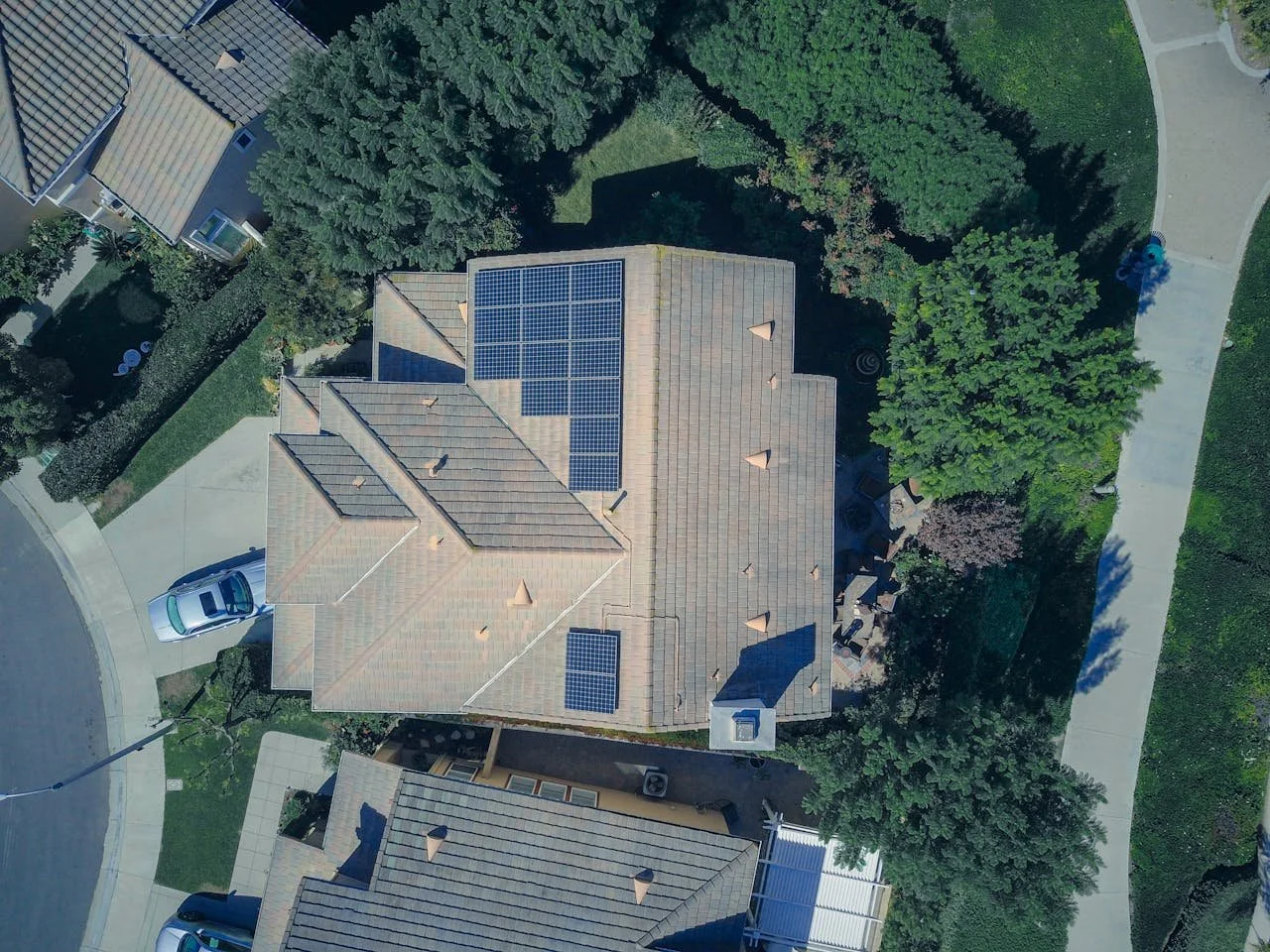
You’ve heard about the numerous benefits of solar panels, but how long do they actually last? Understanding the factors that influence their lifespan can help you make an informed energy decision that will impact your energy independence for many years to come.
Our guide explores the average lifespan of solar panels, how to extend their durability, and why choosing high-quality panels, like the ones we offer at P4 Solar, is crucial to ensuring a lasting, worthwhile investment in your energy future.
What Is the Lifespan of a Solar Panel?
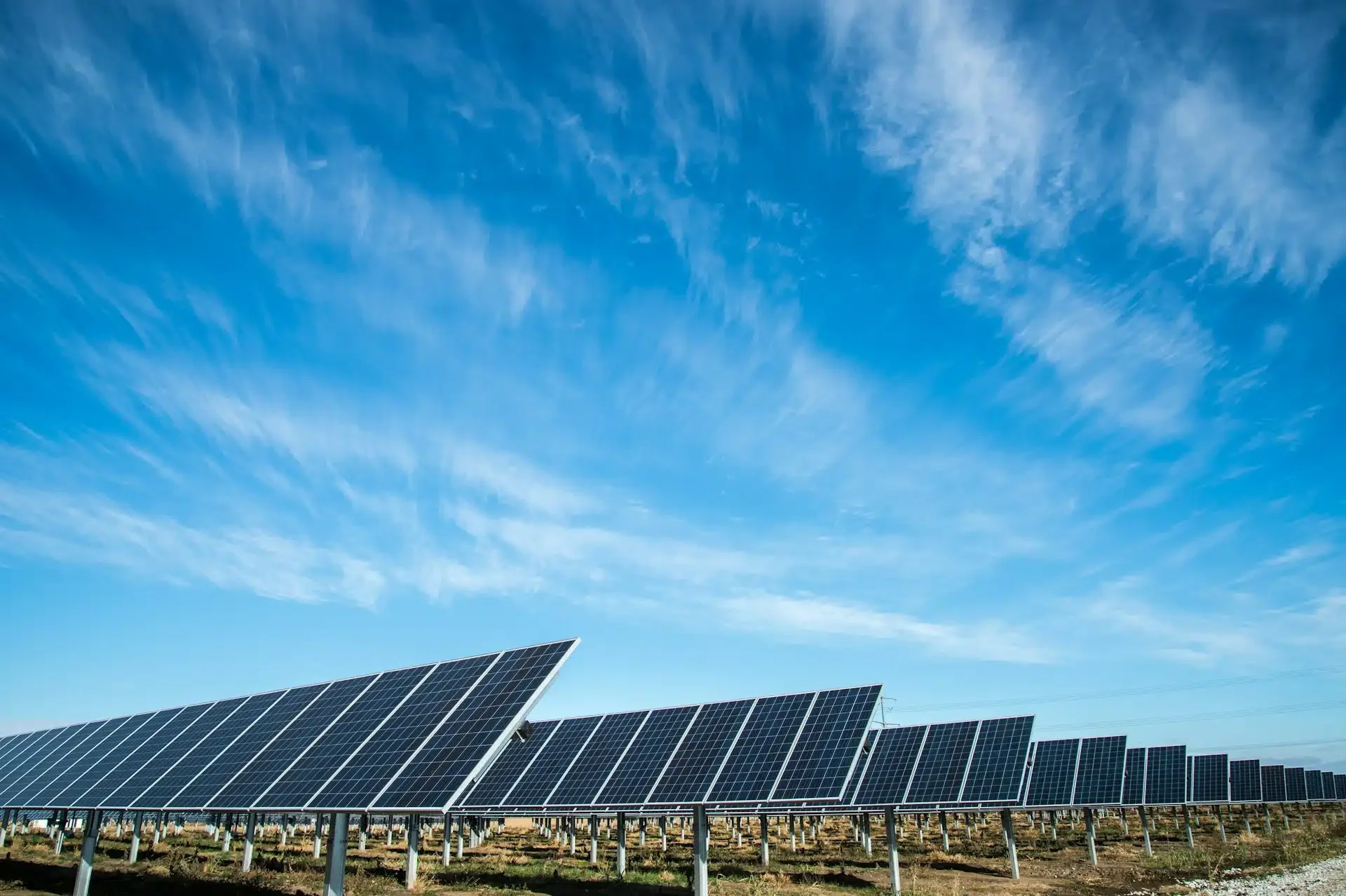
Solar panels typically last between 25 to 30 years, though their lifespan can vary depending on factors such as panel quality, usage, and environmental conditions. Most solar panels come with a warranty covering the first 25 years, offering peace of mind for your investment. However, solar panel degradation does occur over time, causing a gradual reduction in energy production. This can result in a drop in efficiency, but with the right care, they can continue providing renewable energy for many years.
At P4 Solar, we offer an extended warranty of 30 years, as well as a 12-year warranty on inverters/batteries. This allows you to enjoy long-term peace of mind, knowing your system will perform optimally throughout its lifespan.
Find out we can help you make the most of solar energy. Talk to us today.
Factors Affecting Solar Panel Life Expectancy
When you’re investing in solar panels for your home, it’s natural to want them to last as long as possible. But like any long-term investment, the lifespan of your solar panels can be influenced by a variety of factors. From the quality of the panels themselves to the environment they’re exposed to, understanding these factors will help you make the most of your solar investment.
What Is Solar Panel Degradation?
Solar panel degradation is the gradual loss of energy efficiency over time. On average, panels lose around 0.5% to 1% of their efficiency each year. This means that after several decades, they may produce a little less energy than they did when first installed. But don't worry! With proper care, your solar system will still provide great renewable energy for a very long time.
1. Weather Conditions
In the UK, the unpredictable weather can speed up wear and tear on your solar panels. Exposure to rain, frost, or hail may cause gradual damage, affecting efficiency. Cold weather, in particular, can cause the materials to expand and contract, potentially leading to cracks or affecting panel condition. While our UK climate isn’t extreme, these weather patterns still contribute to quicker degradation.
Top Tip: That’s why it’s so important to select weather-resistant panels, ensuring your system remains reliable and efficient, regardless of the changing weather.
2. Panel Quality
The quality of your panels plays a huge role in solar cell life expectancy. Higher-quality panels are built to withstand harsh conditions and degrade at a much slower rate. Choosing premium panels ensures they work efficiently for longer, making them a wiser investment. High-quality panels also generate more energy, providing you with better returns over time and reducing your overall cost! By opting for well-known, reliable brands, you’re investing in a product that will give you peace of mind for many years.
3. Installation Quality
A poor installation can significantly impact the longevity of your solar panels. If the panels are misaligned, poorly mounted, or subject to shading, it can reduce their efficiency and speed up the degradation process. Ensuring your system is installed by professionals with professional accreditations is essential to maximising the lifespan of your panels. A small investment in high-quality installation can save you from future issues, providing long-term benefits and helping your system operate at peak efficiency for decades.
4. Panel Positioning
The positioning of your solar panels is critical for ensuring optimal performance. If they aren’t installed at the right angle or are affected by shading from trees or nearby structures, their efficiency will drop, leading to increased degradation over time. Ensuring that your panels face the right direction and are placed at the ideal angle will help maximise sunlight absorption and energy production, ultimately prolonging their life and improving their overall performance.
Recommended Guide: What is the Best Angle for Solar Panels in the UK?
5. Maintenance and Cleaning
Regular maintenance and cleaning are essential to keep your solar PV panels working the best they can. Over time, dirt, leaves, and debris can accumulate on the panels, blocking sunlight and reducing their ability to generate energy. Regular cleaning and maintenance checks help to keep the system in top condition, preventing small issues from turning into major problems. With proper care, your panels will continue to produce renewable energy at peak efficiency, extending their lifespan and maximising your investment.
How to Improve Your Solar Panel Lifetime
To ensure your solar panels serve you well for as long as possible, it's essential to take proactive steps to extend their lifespan. From regular maintenance and proper installation to choosing the right panel and adding storage solutions, there are several actions you can take to improve the longevity of your solar system.
1. Regular Maintenance
Take the time to regularly clean your solar panels, check for any signs of wear, and ensure your solar inverter is working as it should. Small efforts go a long way in keeping your system running smoothly. Monitoring your energy production through a smart PV system can also help identify any issues early, so you can fix them before they become bigger problems.
At P4 Solar, we also provide ongoing customer support and aftercare, including regular system checks, troubleshooting, and emergency repairs. Many competitors may overlook aftercare, but we’re dedicated to ensuring your system performs optimally for decades to come.
2. Choosing the Right Panel
When choosing solar panels, invest in quality. Opt for trusted manufacturers who provide reliable, long-lasting solutions. While low-cost panels may seem like a bargain upfront, they often degrade much faster, costing you more in the long run. Quality panels will give you peace of mind, knowing you’re making a smart investment that will keep generating energy for decades.
3. Proper Installation
Professional installation is so important! A poorly installed system can lead to issues that may compromise its longevity. Ensure that your panels are installed at the optimal roof orientation and tilt to capture the most sunlight. This simple step can make all the difference in ensuring your system runs efficiently for years to come.
To see how a professional installation should be done and learn from real-world examples, take a look at our detailed case studies.
4. Storage Solutions
Consider adding solar batteries to your setup. These not only allow you to store excess energy for later use but also help take the strain off your panels by managing energy more efficiently. This reduces wear on the system, improving its overall lifespan, while giving you more control over your energy use and costs.
For more tips on improving your homes energy efficiency, our guide can help: How to Improve Your EPC Rating with Solar Panels.
How Often Should Solar Panels Be Replaced?
As mentioned before, most solar panels are built to last 25 to 30 years, often longer if they’re well maintained. Most systems require little to no replacements during this time period, it’s important to note that certain components, like the inverters, may need replacing after around 10-12 years, as they’re typically the most vulnerable part of the system. Additionally, any physical damage from severe weather or accidents may also necessitate replacements. Regular maintenance checks and system monitoring will ensure any issues are caught early, so you don’t face unexpected costs or performance drops.
By investing in high-quality panels and hiring a team of expert installers, you can maximise the life expectancy of your solar system and avoid costly replacements.
Future-Proof Your Solar Investment
We hope our guide has provided some useful insight on how long solar panels last, and what you can proactively do to increase your solar panel lifespan. Understanding the key factors that affect the lifespan of solar panels, such as degradation, weather conditions, panel quality, and proper maintenance, can help ensure your system operates efficiently for decades. Regular care and choosing high-quality panels make all the difference in prolonging your solar system’s life.
For a detailed breakdown of solar panel installation costs, benefits, and other essential insights, be sure to explore our Complete Solar Panel Guide. It’s packed with helpful information to guide you through every step of your solar journey, from choosing the right system to understanding long-term savings.

Helping Homes & Businesses Across Yorkshire & The North
P4 Solar designs and installs solar panels, battery storage and renewable energy solutions across Yorkshire, Lancashire, Greater Manchester and surrounding areas.
View All Areas We Cover →