
Do Solar Panels Work in the Winter?
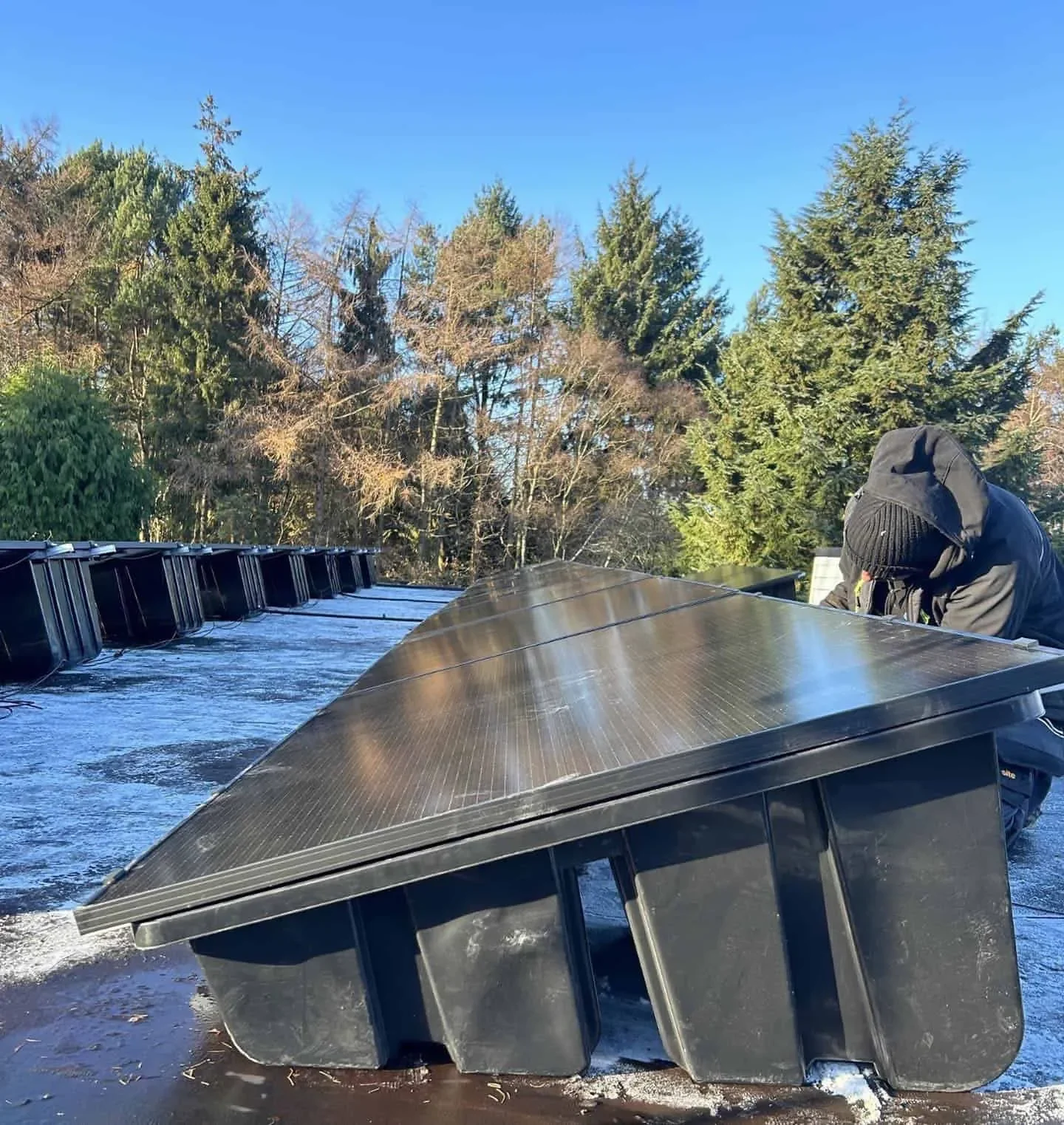
Winter brings shorter days, falling temperatures and plenty of rain to the North of England. But did you know that a gloomy forecast doesn’t necessarily mean solar panels stop working their magic? On the contrary, solar panels continue to perform well throughout the winter months. Yes, sunshine does have an important role to play. However, solar panels require far less direct sunlight than you might think.
Want to know more about running solar panels in the winter? Read on as we answer all your questions about how to generate clean energy throughout the year, regardless of the weather.
Solar panels in winter: busting the myth
First things first, let's bust the common misconception that solar panels don’t work in the winter. While it's true that sunlight is less abundant in the winter months, solar panels remain hard at work. They continue to soak up precious rays and generate power, even on cloudy days.
Does temperature make a difference? Not really. Solar panels absorb energy from sunlight, not heat. This means that solar panels continue to turn sunlight into electricity, even in sub-zero temperatures.
The mechanics behind solar panels
To comprehend why solar panels continue to generate power in the winter, it’s important to understand how the technology works. In a nutshell, it’s all about daylight, rather than direct sunlight. Even on overcast days, there's still plenty of daylight filtering through the clouds. Solar panels capture this energy and convert it into electricity. This allows them to make the most of every ray, no matter the weather.
What about rain? There’s no shortage of drizzle in the North, which leaves many people wondering if rain hinders solar panel performance. Once again, the answer might surprise you. Even on rainy winter days, diffused sunlight still hits solar panels and generates energy.
Optimising solar panel performance
As explained above, solar panels can capture sunlight and generate energy throughout the winter. However, there’s no denying that shorter days and less direct sunlight do have an impact on how much power is generated. This is where strategies to optimise solar panel performance come in handy. Below, we outline a few tips to help you maximise your winter solar power:
Keep them clean
From everyday debris to occasional ice and snow, a buildup of debris can compromise the performance of your solar panels. If your solar panels are easy to access, a quick rinse with a hose or a wipe with a soft cloth can help maximise sunlight absorption. If your solar panels are installed on the roof, it’s best to hire a professional to give them a clean, either before winter sets in or midway through the season.
Angle matters
The sun sits lower in the sky in the winter, so adjusting the angle of your solar panels slightly can help capture more sunlight. Consulting a professional is usually the best way to find the perfect angle for optimal performance.
Make the most of daylight hours
Consider running your appliances and devices during peak daylight hours in the winter months. This won’t boost the performance of your solar panels, but it can help to maximise your solar energy usage and minimise reliance on the grid.
The benefits of harvesting winter sunshine
Now you know more about the mechanics behind solar panels and how to maximise performance in the winter months, let’s talk perks. Harvesting winter sunshine comes with its own set of benefits, especially for Northerners.
Slash your energy bills
With shorter days and cooler temperatures, you’ll probably find yourself using more energy to stay warm in the winter. This can send heating bills soaring and have a big impact on household budgets, especially with average prices for gas at 6.9 pence per kilowatt hour (kWh) and electricity at 27.4 p/kWh.
There’s also the new Ofgem energy price cap increase to consider, which increased by 5% in January. This means the average annual energy bill for British households is now capped at £1,928 – an increase of more than £90 from the previous cap.
Solar panels represent an opportunity to harness natural energy and generate your own electricity throughout the year, even in the winter months. For many households, they could reduce energy bills by up to 70%. Solar also offers a unique chance to gain electrical independence from the big power companies and generate your own, tariff-free energy.
Cut your carbon footprint
By harnessing the power of the sun, you can not only save money but reduce your carbon footprint. On average, a single solar panel can save roughly a tonne and a half of carbon dioxide per year. If you’re looking for ways to minimise your environmental impact and do your part for the planet, solar panels are a terrific investment.
Take advantage of government grants
The government is continually launching new initiatives for their renewable energy projects and solar panels are on the radar. With huge savings up for grabs, why not take advantage of government grants and subsidise your winter heating bills with solar panels?
Embrace the sunny side of winter
So, there you have it – even the chilliest Northern winters are no match for the power of solar panels. No need for long days and lashings of sunshine. Thanks to cutting-edge technology, several hours of daylight is all that’s needed to power modern solar panels.
Ready to make the switch to winter solar? Navigating the grant application process can be challenging, which is where the team at P4 Solar steps up. We’ve helped countless customers access government grant funding for solar panel installations.
With turnkey solar installations starting from £4,999, there's never been a better time to invest in solar. Get in touch for a free consultation and let's kickstart your journey to a brighter and more eco-friendly future – even in the depths of winter.

Helping Homes & Businesses Across Yorkshire & The North
P4 Solar designs and installs solar panels, battery storage and renewable energy solutions across Yorkshire, Lancashire, Greater Manchester and surrounding areas.
View All Areas We Cover →